Coming home from deployment can be just as challenging as the deployment itself. Many veterans struggle with sleep, feel constantly on edge, or find that civilian life just doesn’t make sense anymore. The transition from military to civilian life brings challenges that most people never experience, and mental health struggles like depression, anxiety, and posttraumatic stress disorder (PTSD) are common realities for those who have served.
But help exists, and it works. Veterans who get the right support can recover and thrive. The challenge is knowing which treatments actually make a difference. Some approaches have decades of research behind them. Others sound good but don’t hold up when put to the test. Plus, what works for one person might not work for another.
In this article, you’ll learn what support options could work best for you or your loved ones. Let’s take a look!
Understanding the Mental Health Challenges Veterans Face
Military service fundamentally shapes how people think, react, and connect with others. Those patterns persist even after the service ends. Many veterans experience hypervigilance. The feeling of being constantly alert and scanning for danger, even in safe environments. Others struggle with intense mood changes, low motivation, or feeling distant from the people they care about.
Stress can come from many sources. Combat exposure plays a clear role for some, leading to diagnoses like PTSD. However, others feel the deep strain of repeated moves, prolonged family separations, or the ethical weight of difficult decisions, sometimes referred to as moral injury. These experiences can affect both emotional balance and physical well-being. That is why effective healthcare needs to address multiple concerns simultaneously.
It’s also common for challenges to surface months or years later. A stable period after discharge doesn’t always mean everything is settled. Understanding that these reactions are part of many veterans’ experiences can make seeking support feel less isolating.
For veterans who feel overwhelmed or unsure where to start, reaching out to a mental health treatment center could be a helpful first step. These facilities bring together trained professionals who understand the unique challenges veterans face and offer support in a structured, calming setting. A treatment center can offer a safe and stable environment for veterans to discuss, learn, and determine their next steps.
Mental Health Support Options for Veterans
Mental health support for veterans comes in many forms. Some options focus on professional care, while others center on connection and shared experience. Many veterans combine multiple approaches over time.
Support can be provided through formal mental health services, community programs, or a combination of both. Some veterans prefer structured settings. Others feel more comfortable starting with informal support. There is no single right path, and choices can change as needs evolve.
Many veterans also face substance use challenges alongside emotional struggles, which makes combined support especially important. An addiction recovery program for veterans can address both mental health and substance use in a coordinated way.
These programs look at how stress, trauma, and unhealthy coping patterns connect, offering care that treats the whole picture rather than splitting issues apart. This kind of approach can make moving forward feel more manageable.
Exploring available mental health resources can feel overwhelming at first. Breaking options into clear categories can make the process easier and less intimidating.
Here are some of the most common options:
Group Support and Peer Programs
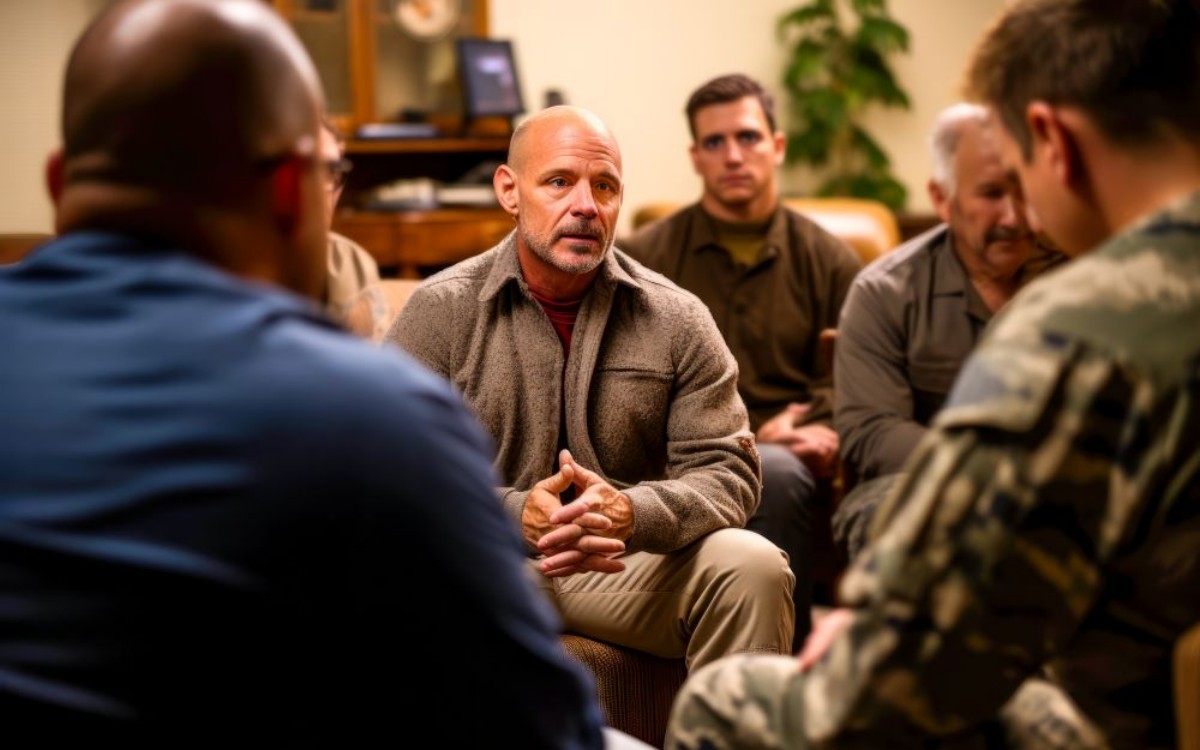
Group settings provide a distinct type of mental health support compared to one-on-one care. Many veterans feel more at ease talking with others who share similar backgrounds as former service members. In these settings, explanations often feel unnecessary, which can lower the pressure to find the right words.
A support group can create space to share experiences, listen, or simply sit among people who understand military life. Some veterans speak often, while others prefer to listen at first. Both approaches are accepted, and participation can change over time as comfort grows.
Programs vary in structure. Some focus on open discussion, while others include guided topics or shared activities. These groups are often part of broader mental health resources offered through community organizations, clinics, or veteran-focused programs. The setting can feel less formal than individual therapy, which appeals to some veterans.
Groups that include peer support services often involve veterans who are further along in their adjustment. Their insight can feel relatable without sounding instructional. For veterans unsure where to start, peer-based programs can serve as an entry point into mental health services without feeling overwhelming.
Family and Relationship Support
Family life often changes after military service, and those shifts can affect everyone in the household. Changes in mood, communication, or daily routines can create distance or confusion over time. Support from loved ones can provide a space to slow down and gain a deeper understanding of what each person is experiencing.
Couples counseling is one option veterans and their partners may explore. These sessions can focus on communication patterns, shared expectations, or ongoing stressors that affect the relationship. The goal isn’t to revisit every past event, but to enhance how partners interact with one another in the present.
Family sessions offer a broader setting that includes children or other relatives. These conversations can help loved ones understand how past experiences may influence certain reactions or behaviors. This shared understanding can reduce tension and make everyday interactions feel more manageable.
Including family in mental health support isn’t about blame or fixing anyone. It simply recognizes that adjustment often involves more than one person. When support is shared, the process can feel less isolating and more balanced for everyone involved.
One-on-One Counseling and Therapy
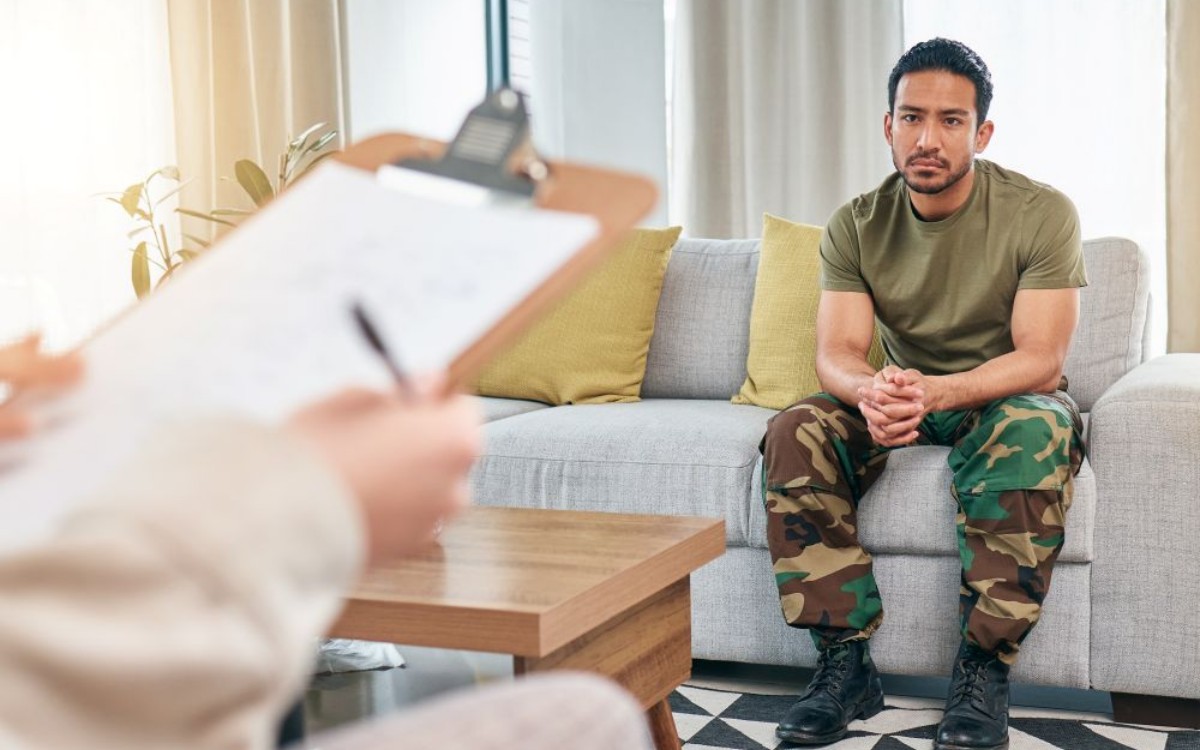
One-on-one counseling is a mental health support option many veterans consider when they want privacy and structure. These sessions are conducted with a licensed provider and are often part of broader mental health services offered through clinics, community programs, or healthcare systems. The pace is usually flexible, allowing veterans to focus on current stress, past experiences, or daily challenges as they feel ready.
This type of care is often described as therapy-based treatment, though approaches can vary. Some sessions focus on building coping strategies for anxiety, sleep problems, or emotional reactions.
However, for trauma-related issues like PTSD, individual counseling is most effective when it uses specific, evidence-based protocols. Others may explore how past experiences continue to influence their thoughts and behavior. Veterans can adjust the focus over time, depending on what feels most relevant.
Individual counselling can also provide a form of personalised support within the larger healthcare system. Because sessions are private, veterans may feel more comfortable speaking openly or moving at a slower pace. This setting can be beneficial for individuals who prefer reflection over group discussion or those seeking consistent one-on-one attention.
Finding the right provider can take time, and that process looks different for everyone. Some veterans meet with more than one therapist before settling on one with whom they feel a comfortable level of rapport. Counseling doesn’t always follow a straight path, but it can serve as a steady option veterans revisit as their needs change.
Department of Veterans Affairs Mental Health Services
The Veterans Affairs (VA) system offers a range of mental health services that veterans can explore at their own pace. These options may include counseling, psychiatric care, group programs, and short-term crisis support. Care is delivered through in-person appointments, virtual visits, and phone-based services, which allows veterans to choose what feels most accessible.
Access to care often depends on location, eligibility, and the availability of appointments. Some veterans receive support through a VA medical center, while others visit a local VA center closer to home. Experiences can vary, and learning how to navigate the system may take time, especially for veterans who are new to VA health care.
Many veterans use VA mental health services alongside support from community providers. Combining options can offer more flexibility, especially when wait times or scheduling challenges arise. This approach enables veterans to tailor their care to their specific needs and preferences, taking into account availability and personal comfort.
Understanding available VA benefits can also shape how veterans access mental health support. While the process can feel complex, exploring benefits gradually and asking questions along the way can make navigating VA services feel more manageable over time.
Veterans Organizations and Community Programs
Many veterans turn to organizations created to support former service members. These groups can provide referrals, workshops, and access to mental health resources in settings that feel familiar. For some veterans, starting with a community organization may feel more approachable than entering a clinical setting immediately.
Community programs may also offer guidance with employment, housing, or financial concerns. Addressing these areas can help reduce daily stress, which could make it easier to focus on mental health needs. This type of practical support is sometimes overlooked, even though it plays a role in overall stability.
Some organizations assist veterans with VA claims, which can feel complicated without clear guidance. Having support during this process may reduce confusion and help veterans understand available options without feeling rushed or pressured.
Because local and national programs vary in focus and services, veterans can explore multiple options. Taking time to compare programs can help identify support that feels comfortable, realistic, and aligned with individual needs.
Telehealth and Online Mental Health Support
Telehealth has become a practical option for many veterans seeking greater flexibility in their care. Virtual sessions take place via video or phone, and this format can be more convenient for those who live far from a clinic or need options that fit into a busy routine.
Some providers offer a telemental health program that includes therapy, group discussions, or educational tools. Connecting from home can create a familiar and calming setting, which may help veterans feel more at ease when discussing personal concerns.
However, telehealth may not be the right fit for everyone. So, some veterans prefer the structure of in-person visits. Even so, it can serve as an additional option to explore, especially for those who want more choices in how they approach their mental health care.
Medication-Based Mental Health Support
Medication is one option veterans might consider as part of a broader mental health care plan. It’s sometimes used to address symptoms such as anxiety, mood changes, or ongoing sleep problems. In most cases, medication support can be introduced gradually and reviewed over time within the larger health care setting.
Many veterans have questions before starting medication. Concerns about side effects, long-term use, or how medication could affect daily functioning are common. Discussing these topics with a provider can help veterans determine whether this option is suitable for their situation.
Medication is often considered alongside other treatment options, rather than as a standalone approach. Some veterans explore medication while also participating in counseling or group-based care. Others reassess their use over time as symptoms or circumstances change.
When used as part of a wider support plan, medication support can fit into an approach that adjusts as needs evolve. This flexibility can allow veterans to revisit decisions, make changes as needed, and combine different forms of care in ways that feel manageable and aligned with their goals.
Complementary and Holistic Support Options
Some veterans explore complementary approaches alongside traditional care as a way to add balance to their overall support. These options can include mindfulness practices, creative outlets, or spending more time outdoors. For some, these activities offer a quieter space to slow down and reflect without the structure of formal appointments.
Physical activity is another option veterans often consider. Regular exercise can introduce routine into the day and provide an outlet for stress or restlessness. Group activities, such as walking clubs or fitness classes, can add social connection without requiring personal discussion.
These approaches are often flexible and easy to adjust. Veterans can try them at their own pace and decide what feels useful over time. There is no expectation to commit fully or follow a strict schedule, which can make these options feel less demanding.
Complementary support may work more effectively when paired with other forms of care rather than used alone. When combined thoughtfully, these options can be integrated into daily life in a way that feels steady and realistic, especially for veterans seeking to build support gradually.
Conclusion
Mental health support for veterans isn’t a single path or solution. Different options can suit various needs, and those needs can change over time. The most effective approach combines evidence-based therapies with the deep understanding found in peer programs and family support.
Exploring options at a comfortable pace can make the process feel less overwhelming. With flexibility and patience, veterans can build support that fits their lives, respects their experiences after service, and leads to true stability.