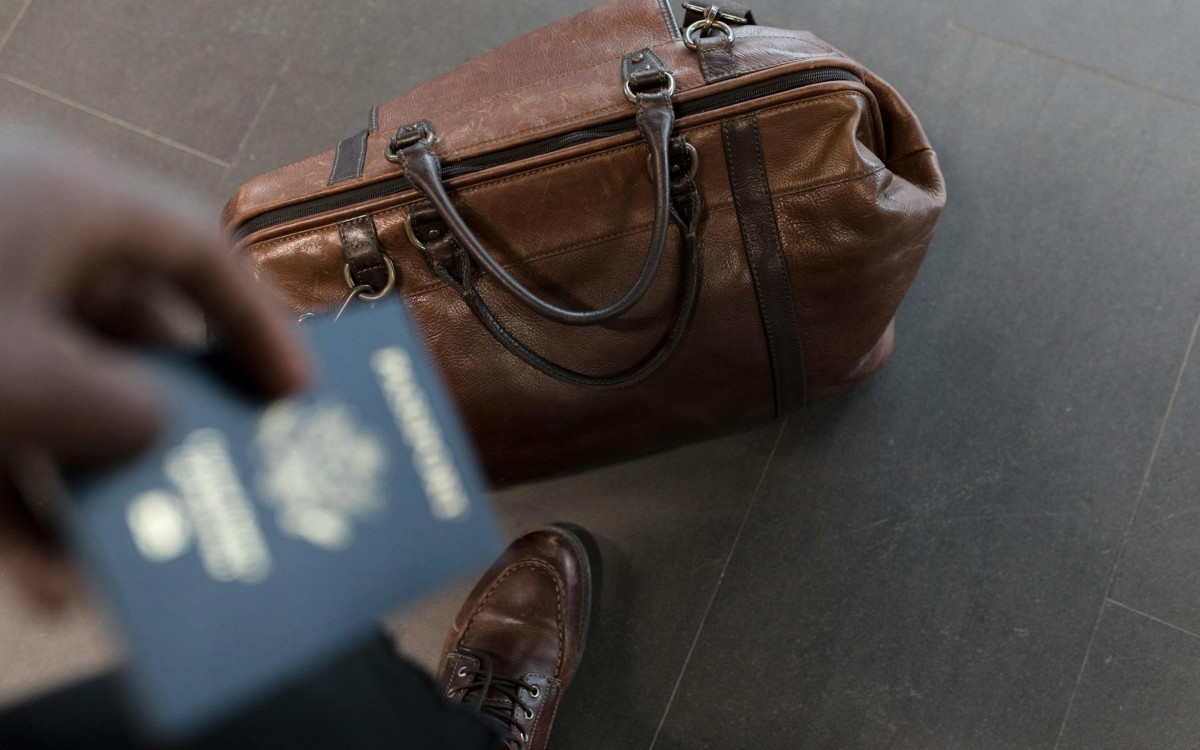
Booking a trip used to feel like flipping through brochures and picking whatever was closest to the beach. Now it’s a whole experience, and people treat it almost like an extension of their regular life. A trip has to fit into work, routines, moods, even how a person wants their week to feel. And honestly, that makes sense. If you’re juggling emails, family logistics, and thinking about whether you’ll get a moment to actually breathe while away, the logistics matter.
This shift is probably why so many travelers look for stays that give them an actual living space, rather than just a room with a kettle. Some people even plan getaways with the expectation that they’ll still cook, read, or work a bit while away. For example, someone might choose to visit Etobicoke and stay in short term rentals because it feels like you’re not abandoning real life, just moving it somewhere different for a few weeks. That trend fits in with what’s already being written about broader travel trends, especially the idea that trips are stretching longer and becoming more personal.
Here are three things people seem to value now, when they hit the “book it” button – whether they’re going away to reset or trying to work somewhere with slightly better scenery.
- Flexibility without needing a full plan upfront
Most people don’t want every detail pinned down. It’s not that they’re spontaneous, it’s more that life is chaotic and plans can fall apart. Being able to move dates, cancel without a financial punch to the gut, or stay longer if the weather is finally decent – those things matter.
A corporate traveler might book three nights, then decide halfway through that the city’s energy is actually what they needed and extend into the weekend. A parent might need to shift everything because a sports day suddenly appears on the school calendar.
A recent data piece from McKinsey pointed out that a lot of travelers actually want to travel more than they did before the pandemic, but only if it fits how they live now, not the rigid “fly on Friday, back Monday” model.
Flexibility isn’t just customer service – it’s emotional breathing space.
- A place that doesn’t force you into a hotel routine
There’s a clear difference between lying on a bed with your laptop balanced on your knees and sitting at an actual table with coffee next to you. People want environments that don’t feel like temporary storage, especially business travelers. They want a kitchen where they can make eggs, even if they’re not great at cooking. Living rooms. Actual lights that don’t buzz.
Picture a group of friends doing a low-key birthday weekend. They’re not looking for room service trays and hotel carpets. They want a place where someone can bring groceries back, others stay chatting late, and everyone has space to exist.
A lot of this isn’t about luxury – it’s about getting back pieces of your routine without having to be at home. It’s less draining to travel when life doesn’t get uprooted, just lifted and placed somewhere new.
- Matching the mood of their season, not just booking a date
Trips aren’t just calendar slots anymore. They reflect phases people are in. Sometimes you want noise and brightness. Other times you’re aiming for peace and a reset.
Take the fall season. For some, cooler evenings and quiet streets hit in a way early summer never does. The rhythm slows down. Cities feel gentler. People use that time to reconnect with friends, or even spend a few days alone without feeling guilty about it.
Meaning is becoming an actual filter. A person who spent the year burned out might choose a trip entirely around getting unstructured time. Someone working remotely might choose a spot purely because the café culture feels right. For a family, the goal might be memories, not rushing through photo spots.
The place matters less than whether you land somewhere that suits the version of yourself you’re trying to be at that moment.
Travel right now is less about escaping and more about reshaping your life temporarily. When you find a setup that gives you freedom, your normal routine, and a version of the mood you’re hoping for, the whole thing hits differently. You come home feeling like you actually lived somewhere new – not just passed through it with receipts and airport snacks.
Image Credit: nappy