Upholstery sewing projects can make old furniture look like new, functional masterpieces. However, there are some frequent mistakes arising in the process that may slow progress and ultimately reflect on the final product. Noticing these points of fallacy can help both enthusiasts and beginners to produce more refined and long-lasting results.
Underestimating the Right Tools
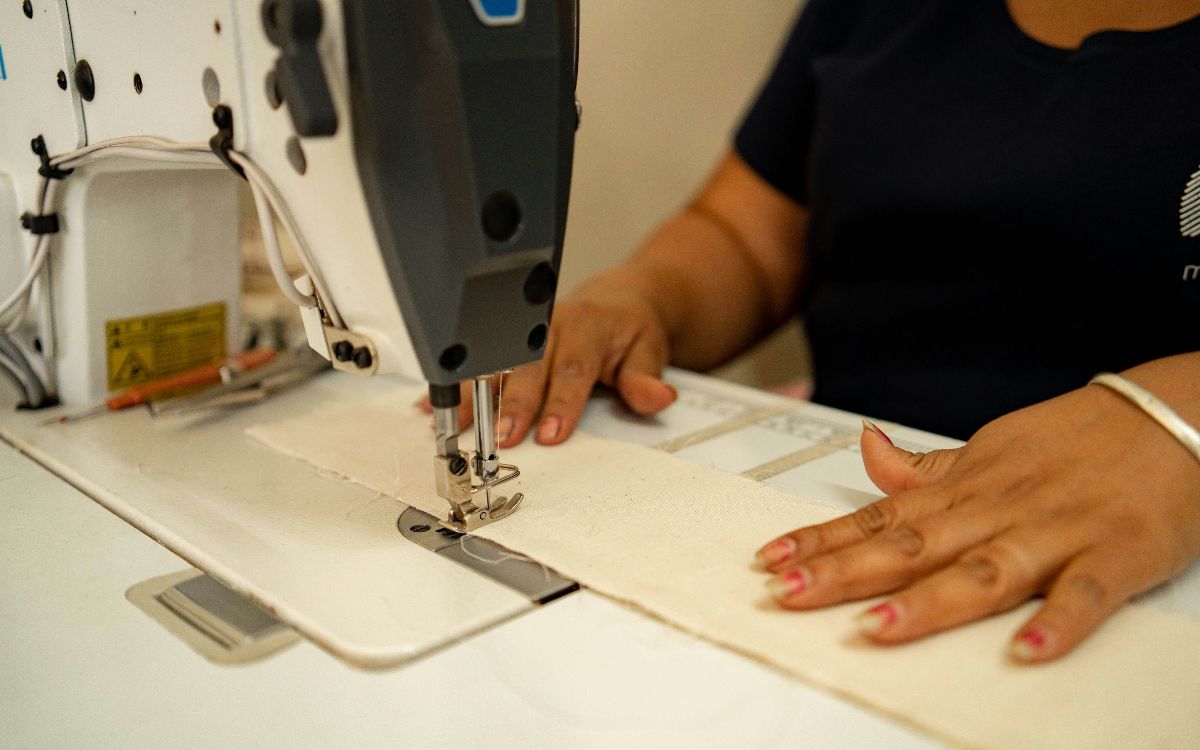
With the right tools, any upholstery job can be made easier. Some use household scissors and regular needles to give it a try, only to face trouble cutting up the thick stuff. Upholstery needs heavy-duty needles, thread, sharp scissors, and sewing machines, like how JUKI tackles upholstery sewing to deal with all those heavy fabrics. Having the right equipment can save you a lot of time, minimize your frustration, and help create cleaner finishes.
Skipping the Preparation Phase
Preparation is the key before carrying out any upholstery work. We often forget the step of checking and cleaning the furniture frame as a prerequisite before proceeding to do any fabric work. Things like dust, dirt, or loose joints can disturb the sewing and fitting process and result in problems later on. Preparation helps check for weak spots or areas needing repair so the new upholstery has a solid base.
Choosing an Unsuitable Fabric
Choosing the incorrect type of fabric is one of the most common mistakes made in upholstery projects. Not all textiles are made for everyday wear or washing. Stitching can rip in lightweight materials, while stretchy material might go out of shape. Straps made from flimsy, loosely woven material, not intended for use on furniture, will wear faster and look worse over time. Fabric choice should always consider the planned use and wear.
Ignoring Pattern Direction and Alignment
Fabric with a pattern is much more interesting for furniture; however, it needs extra care when cutting and sewing. If the designs or stripes are not well aligned, it can look mismatched and uneven. Spread the fabric and see how the pattern will appear on each part before cutting it out. The marking line on the backside makes it a bit easier to line it up and keep it symmetrical.
Neglecting Accurate Measurements
Accurate measurements are important for a fit that is both appealing and secure. Guesswork or rough approximations often result in material shortages or unfortunate bunching. Always measure twice before cutting or sewing to avoid errors. Be sure to measure each item twice, and write the measurements down legibly so that you can easily refer back to them. Having a plan helps you use your materials in a way that is efficient and produces professional-looking results.
Wrong Stitch Length
For heavier textiles, the standard tension and stitch length may not secure them properly. If your tension’s too high, the thread will break, and if it’s too loose, the stitches will be loose. Since every project is different, test it on a piece of scrap first to find the perfect settings for it. Good tension and ideal stitch length give superior, tidy seams.
Forgetting to Reinforce Stress Points
Components of upholstered furniture are subject to varying degrees of stress, for example, corners and the edges of the seat. These areas typically experience a significant amount of stress, so failing to strengthen them can cause premature wear or the seam to split. High-stress zones are reinforced with added stitching or patches of fabric. Reinforcement increases the durability of the upholstery and ensures the shape is retained over the years.
Final Inspection and Touches Avoided
Constantly review the piece while stitching it. Displaced seams, wrinkles in the fabric, or loose threads may ruin the overall appearance. Look over each component. When everything looks good, the project is complete. Cutting loose threads, serging, and ironing fabrics help create a well-finished, polished look.
Conclusion
Upholstery sewing projects are rewarding when you need a furniture refresh, provided you pay close attention to quality prep work and detail. Anyone can achieve beautiful, long-lasting results if they can avoid these common mistakes. A combination of thoughtful planning, surgical precision, and patience during the execution of the process yields a final product that shines for both its excellence and refinement.