I’ve spent the past decade watching strangers in chat rooms, classifieds boards, and swipe-to-match apps try to figure out whether the person on the other side of the screen is trustworthy. Almost every platform promises shortcuts – verification badges, profile prompts, clever algorithms – but the real ice-breaker is always a story. A quick anecdote about last night’s jazz set or a messy divorce will do more to create warmth in a room than any UI tweak.
That truth hit me hardest while moderating a thread that quoted https://doublelist.com/stories/ in passing, and suddenly half the users jumped in with their own “first meetup” yarns. Nobody asked them to share; the link simply reminded them of moments they were proud of. By the time the dust settled, people who had arrived for casual hookups were swapping recipe ideas and planning a group park picnic. The code hadn’t changed – only the flow of stories had.
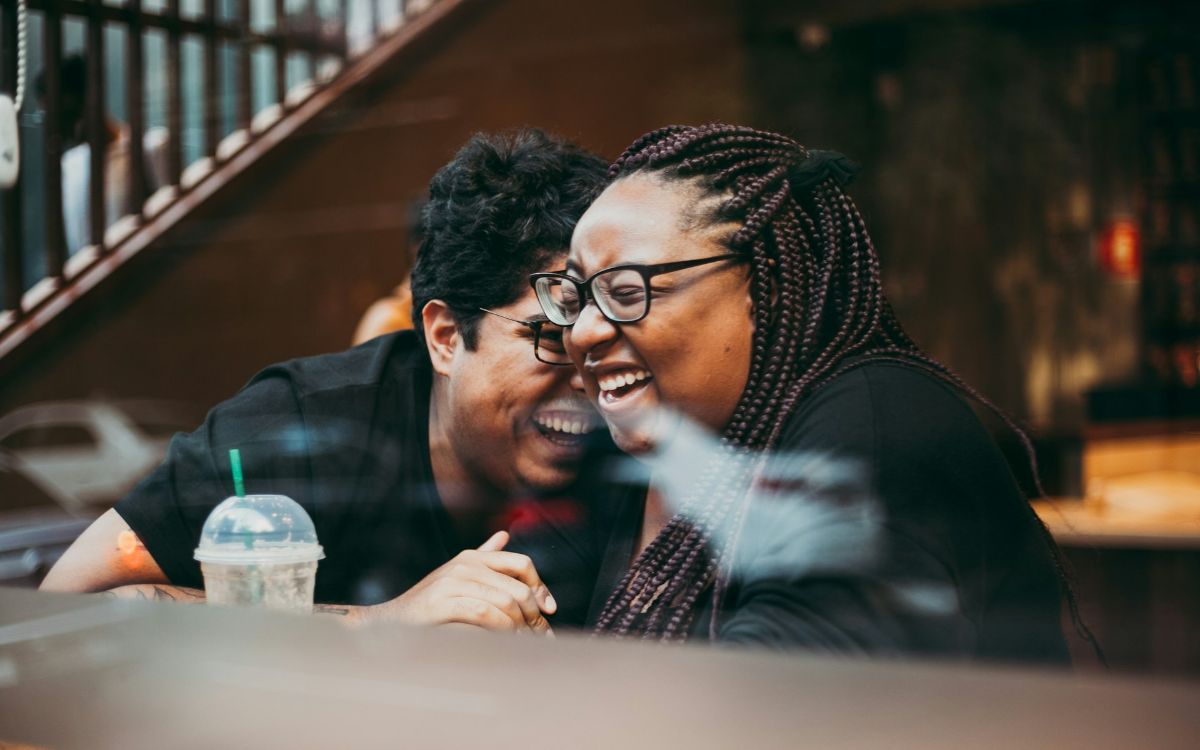
What actually happens in those moments is simple: narratives turn profiles into people. When someone writes, “I came out late, left my small town at 30, and now I’m trying stand-up comedy,” you can almost picture their shoes on the stage. Even if you never date them, you feel urged to clap. That emotional nudge makes future messages kinder, softer, and infinitely more honest.
Why Stories Matter When Strangers Meet
Most adults who log onto a dating site arrive with mild nerves and a powerful filter for risk. They’ve seen catfish scandals and read think-pieces about digital burnout. A short, well-told personal story lowers that guard for a second, because narrative structure is literally processed by the brain’s default-mode network – the same circuitry we use to imagine the future. If I let you glimpse mine, you unconsciously start picturing how yours could intertwine. The moment a shared future is visible, even if it’s just us laughing over coffee, you feel closer.
The Mechanics: How to Seed Good Stories Without Forcing Them
Community managers often ask me, “Should we just add a ‘Tell your story’ box?” That can help, yet the timing and context matter more than the field. People share when they’re inspired, not instructed. My favorite trick is the pre-moderated prompt: pose a specific, playful question in a weekly thread, “What did your last tattoo teach you about dating?” and post your own answer first. Leave room for imperfection. The first few confessions set a tone that authenticity is valued over polish. Because intimacy feels risky, you need a model to prove it’s safe.
Another lever is spotlight rotation. Every Thursday, pick one user story (with consent) and pin it for 24 hours. Let others react with emojis and thoughtful comments. Suddenly, newcomers see that the community rewards emotional generosity, not just thirst traps. Over time, those mini-spotlights knit into a wider mythos: the city chef who once burnt risotto on a date or the cyclist who proposed at a traffic light. Those characters become inside lore that seasoned members reference, strengthening collective identity.
Managing Safety and Boundaries in a Story-Driven Space
The flip side of vulnerability is exploitation. An open flood of personal tales can lure scammers, trolls, or kink-shamers looking for soft targets. So storytelling guidelines must sit right beside the invitation. I keep three baseline rules visible on every prompt thread. First, no posting anyone else’s private details without permission. Second, no diagnostic judgments; armchair diagnoses are out. Third, heated debates about identity go to a separate, moderated channel. The guidelines look strict, but in practice, they give members the confidence to share boldly because consequences for bad actors are clear.
Platforms also need backend safeguards. Automated content scanning that flags doxxing or hate slurs can remove 80 percent of toxic spillovers before a human sees them. Yet the final mile is always a living, breathing moderator who steps in with empathy: “Hey, that comment crossed a line. Here’s why. I’m removing it, but you’re welcome back if you keep it respectful.” Done consistently, that approach doesn’t chill conversation; it curates it.
I’ve noticed another subtle payoff: better offline dates. When users meet after weeks of story exchange, they treat each other less like strangers and more like side characters stepping out of a shared novel. They tend to pick safer, public venues and report fewer ghosting incidents.
Conclusion
As we move into 2026, the dating platforms that will thrive are the ones that treat storytelling not as garnish but as the main course. Swipe mechanics and location filters might get someone in the door, yet it’s the campfire vibe – the sense that real people are sharing messy, funny, hopeful chapters – that keeps them from leaving. I’ve seen it over and over: give adults a safe stage, prompt them with the right question, step back, and watch a community blossom where only a classifieds ad once stood.