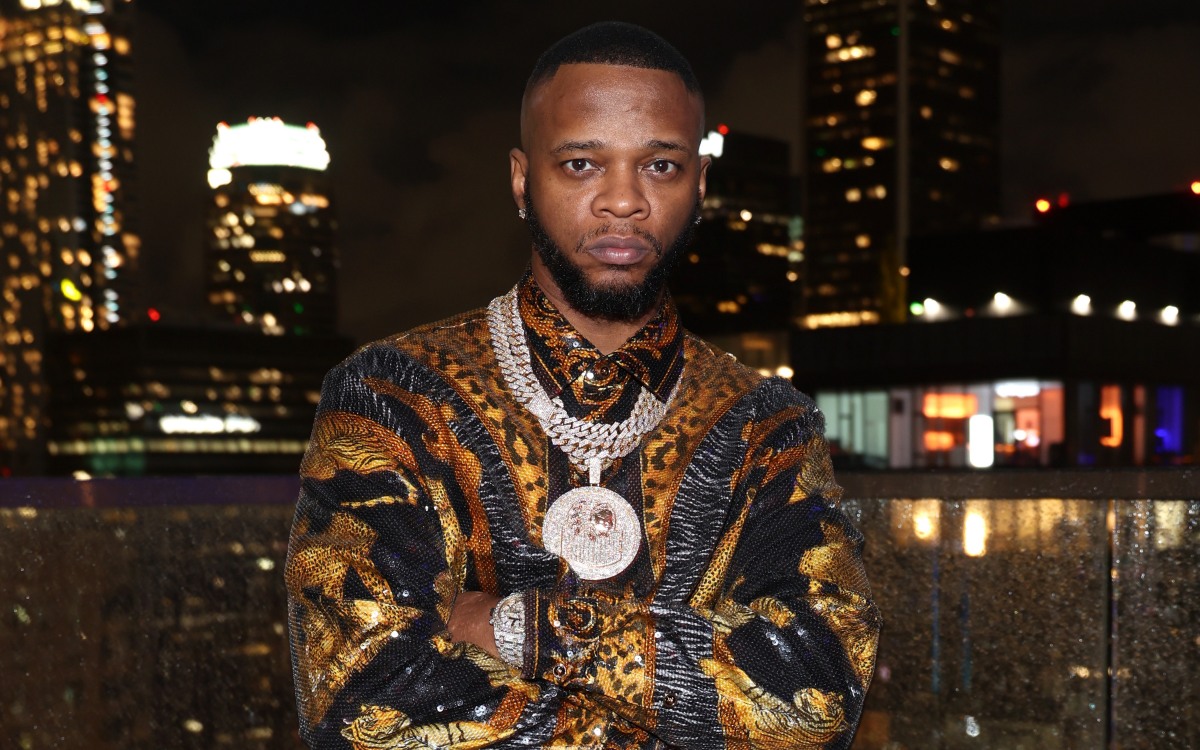
It’s not easy carrying the game on your back. Papoose knows a thing or two about being one of the best to ever do it in Hip-Hop. The rapper, known for his lyricism and viral hit car freestyles, has delivered the world a new project, which promises just as much virality and a new side to the rapper. Bars on Wheels: A Mission to Save Hip-Hop is a visual album that uses symbolism, storytelling, and incredible lyricism to bring his mission forefront.
The project was shot in one day and packaged into an 11-minute film that boasts incredible cinematography and tells a story of his life as an artist. The film which was Directed by: Daniel Curtis Lee and Produced by: Sean 2 Miles is available now, and Papoose sat down with Parlé to share the story behind how he got it off the ground, what he hopes fans take from it, and ultimately where he’s going next. Check out the full Papoose interview below:
Parlé Mag: What was the inspiration behind Bars on Wheels?
Papoose: Man, I started rapping in the car a couple of years back. I was just sitting around, looking at hip hop, looking at the game, and I was thinking, “Damn, how can I insert what I do into today’s era of hip hop?”
So I decided I was just going to rap in the car while I was driving. I started doing it just to kill time, and I noticed a lot of people really loved it. I got a lot of good reactions of people reposting, sharing, all that.
Over the years, a lot of people kept telling me, “You should turn this into a project.” But I didn’t want to just turn it into a project for the sake of it. I wanted to make it special.
Sometimes people would comment, like, “The verse is good, but where are you going?” And that’s when I thought, you know what I’m on a journey to save hip hop. That became the concept.
I didn’t just want to put the project out; I wanted to elevate it. So we turned it into a short film slash EP.
Parlé Mag: The short film has been getting a lot of great reception from fans. Do you feel like you accomplished what you set out to do?
Papoose: Well, it’s a continuation. It’s actually part two. I’m still on a journey to save hip hop, and I’m also speaking on the current state of hip hop itself. You know what I mean? There just isn’t as much substance as there used to be.
Watch the full Papoose interview:
Parlé Mag: So you shot the entire thing in one day?
Papoose: I did. We shot the entire thing in one day, and I was really proud of that. It was stressful, but incredible.
Most people shoot three separate videos for a project, but I wanted to do everything in one day. Like I said, I wanted to do something different. If you follow me as an artist, you know I’m always trying to do things that haven’t been done before.
I wanted to release all the visuals for the project at once. Some people told me I should’ve spaced it out and released one track at a time, but I said no I want to shoot the whole thing as a short film and release it simultaneously with the audio. That was just me staying true to myself.
Parlé Mag: The project feels very unified like you wanted people not just to hear something, but to see something. There’s a lot of symbolism layered throughout. What did you want to convey visually?
Papoose: I wanted to show my pure talent in its rarest form. I’ve been blessed with the ability to captivate people without gimmicks just lyrics.
But at the same time, I wanted to take it to another level by creating a short film and releasing it alongside the audio. I take hip hop very seriously. To me, it’s an important craft.
I try to let that respect shine through my music, and hopefully inspire others to do the same. You know what I mean? That’s why I owe a lot to the people who respect what I do as an artist. I’m talking to them.
Taking the craft seriously and respecting it is what enables me to do what I do. I take my time. People say I never spit a wack verse, and that’s because I take it seriously.
Parlé Mag: Journey to Save Hip Hop is a powerful title. Where do you feel like hip hop lost its way, and where do you want to see it go?
Papoose: I want to see artists be original and be themselves. No one can do what you do.
Nowadays, everyone follows trends. If something is hot, everybody wants to do it musically. There was a time in hip hop when that was considered biting, and it wasn’t acceptable.
If we go back to artists being original, we’ll really see some incredible talent shine. There’s a lot of talent out there, but some people aren’t using it, they’re just trying to fit in.
That’s where things went wrong. People stopped being themselves and started chasing whatever was hot.
Parlé Mag: You’ve been a trendsetter your entire career, especially as a lyricist. Where do you personally draw inspiration from?
Papoose: I get inspired by life. What I go through, what my family goes through, what my friends go through.
I don’t sit down with a pen and paper. I create throughout the course of my day. My inspiration comes directly from real-life experiences.
Parlé Mag: You can definitely feel that on Bars on Wheels. Would you say the project leans more toward cultural commentary or autobiography?
Papoose: I’d say both. It’s a project for everybody. Anyone can enjoy it.
I wanted to capture the same feeling my core fans get when they see me rapping in the car, because they really connect with that. Translating that feeling into a project isn’t always easy, but I think I was able to do it and I’m looking forward to the next one.
Parlé Mag: It really feels like it paid off. Do you feel like this project helped you evolve creatively, and what did you learn from it?
Papoose: Yeah, I definitely grew from it. One of the biggest things I learned is that when you create art, you should give it to people exactly how you created it.
Sometimes when you transition from being an artist to a recording artist, you learn new tricks and elements people expect. But for this project, I wanted to capture myself driving in the car, recording the way I normally do just with real cameras and a real production team.
I was very strict about that. I stuck to my guns. In the past, I’ve shot traditional music videos, but I didn’t want this to feel like that. I wanted it to feel different.
I learned that sticking to your vision as an artist is extremely important. You’ll see me continue to do that in future projects always in my purest form.
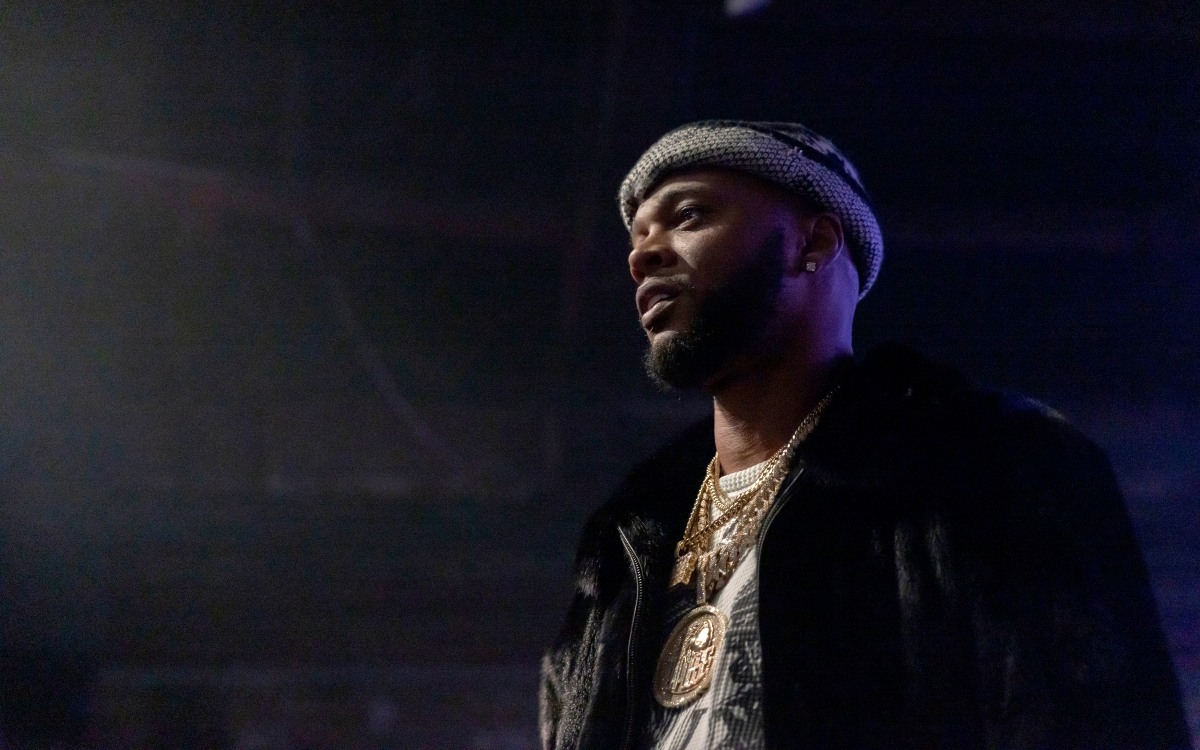
Parlé Mag: It really turned out incredible. What do you hope other artists take from it?
Papoose: I hope it inspires artists to take their time. We’re living in a microwave era where everybody wants everything fast, and you can hear that lack of patience in the music. It shows in the final product.
When you hear a Papoose project, if you really know hip hop, you can tell time was put into it. That’s what I want artists to take from this. Take your time, preserve substance, concepts, versatility, and authenticity. Those are the pillars of hip hop, and those are the things I represent.
Parlé Mag: You’ve been very vocal about preserving true hip hop. What do you think is most at risk of being lost right now?
Papoose: Honestly, the substance. A lot of music today is extremely dumbed down. And that’s not where hip hop came from that’s not its foundation.
I get it, and I even enjoy some of those records too. But let the artists who do that do that. We don’t all need to copy each other. Let’s be ourselves and put substance back into the music.
There’s so much happening in the world right now. There’s so much to talk about. New artists don’t all have to rap about the same thing. Hip hop has always reflected real life, and there’s a lot going on in real life right now.
Parlé Mag: Who are you a fan of right now?
Papoose: I still listen to a lot of the legends because their music is timeless to me. From the newer generation, I like A Boogie. His music is melodic, but he still drops real points.
But honestly, I still listen to Biggie, Kool G Rap, Busta Rhymes who’s still active and killing it. Until someone tops what the legends have done, I’ll always put them first. That era set the standard.
Parlé Mag: You’re building a legacy yourself. What do you want that legacy to be?
Papoose: Not so much in the industry, but in hip hop as a culture. Hip hop is something you live rap is something you do. I live in this culture.
I want my legacy to be that I didn’t just talk about the hardships of growing up in the ghetto, but I offered solutions. Songs like Low Library taught legal knowledge. Monopoly talked about economics and financial literacy.
I spoke about struggle, but I also gave people tools. I wanted to change the world and share my philosophies, my ideologies, how I see life as a human being.
When I tour places like London, Paris, Russia, places I’ve never physically lived, and people know my lyrics, that tells me I succeeded in sharing my message globally. I want to be remembered as someone who was genuine, who offered solutions, not someone who just glorified the problems.
Parlé Mag: That’s incredible. You’re definitely accomplishing that. Is there anything you want to say to artists or fans going forward?
Papoose: Bars on Wheels Part Two is coming soon, and I’m dropping a lot of projects this year, so stay tuned.
To artists: be yourself. You’d be surprised how much people appreciate authenticity. I understand wanting to follow trends, but no one has your DNA. When you lean into that, the world responds.