The meaning of “performance” has changed dramatically. It once meant raw power and stripped-down simplicity. A fast car was loud, stiff, and often uncomfortable. That world is gone. Today, performance is more sophisticated. It is also more accessible.
The gap between a street racer’s project and a luxury sedan is shrinking. Their goals are merging. Both seek speed, but they also want refinement, technology, and daily usability. Let’s trace this fascinating evolution from the garage to the executive parking lot.
The Old-School Street Build: Raw and Uncompromising
The traditional performance build had a single focus. Speed. Everything else was secondary. Enthusiasts swapped in massive carbureted V8s. They added aggressive camshafts. These engines loped at idle and screamed at redline. The suspension was lowered and stiffened. The ride was harsh. The interior was often stripped. Sound deadening was removed to save weight. Air conditioning was a rare luxury.
These cars were thrilling. They were also exhausting to drive daily. They demanded constant tuning and tolerated no compromises. This was performance in its purest, most brutal form.
The Crate Engine Revolution
A major shift began with affordable, powerful crate engines. You could now buy a brand-new, high-horsepower engine from the manufacturer. It arrived ready to run. It came with a warranty. This changed the game. Reliability became part of the performance equation.
A legendary example is the 6.2 Chevy engine from the LT family. It delivered over 450 horsepower with modern fuel injection and computer controls. As a result, it started reliably. At idle, it ran smoothly. Because of this versatility, it could power a weekend drag car or a daily-driven truck. The crate engine brought factory engineering and durability to the custom build. It was a turning point.
The Tuner Culture and Forced Induction
While American muscle chased cubic inches, another movement grew. The import tuner scene embraced small engines and big turbos. The philosophy was different. Power came from boosting, not displacement. Cars like the Mitsubishi Eclipse, Subaru WRX, and Honda Civic became icons. The aftermarket exploded.
Standalone engine management systems allowed precise fuel and spark control. Intercoolers and blow-off valves became common sights. This culture proved that performance was not just about V8s. It was about maximizing efficiency and engineering cleverness. It brought technology and data to the forefront of the enthusiast world.
The Luxury Awakening
Luxury brands once focused on comfort and status. Performance was an afterthought. That changed dramatically. Mercedes-Benz created AMG. BMW cultivated its M division. Audi developed its RS line. These brands began stuffing high-performance engines into their premium sedans and coupes. The result was astonishing.
A luxury car could now outrun dedicated sports cars. It did so in complete silence and comfort. Heated seats and massaging functions accompanied neck-snapping acceleration. The duality was irresistible. You could track it on Sunday and drive clients on Monday. This blurred the lines completely.
The Integration of Sophisticated Technology
Modern performance builds rely on computers. This is true for both street cars and luxury vehicles. Adjustable suspension systems are now common. A single button transforms the car from a cushy cruiser to a track weapon. Launch control optimizes acceleration from a stop. It prevents wheel spin and protects the drivetrain.
Active exhaust valves change the sound profile. Quiet for the neighborhood. Loud for the back roads. These technologies were once exclusive to six-figure supercars. They are now available in mainstream performance models. The enthusiast gets precision. The luxury buyer gets versatility.
The Erosion of the Daily Driver Compromise
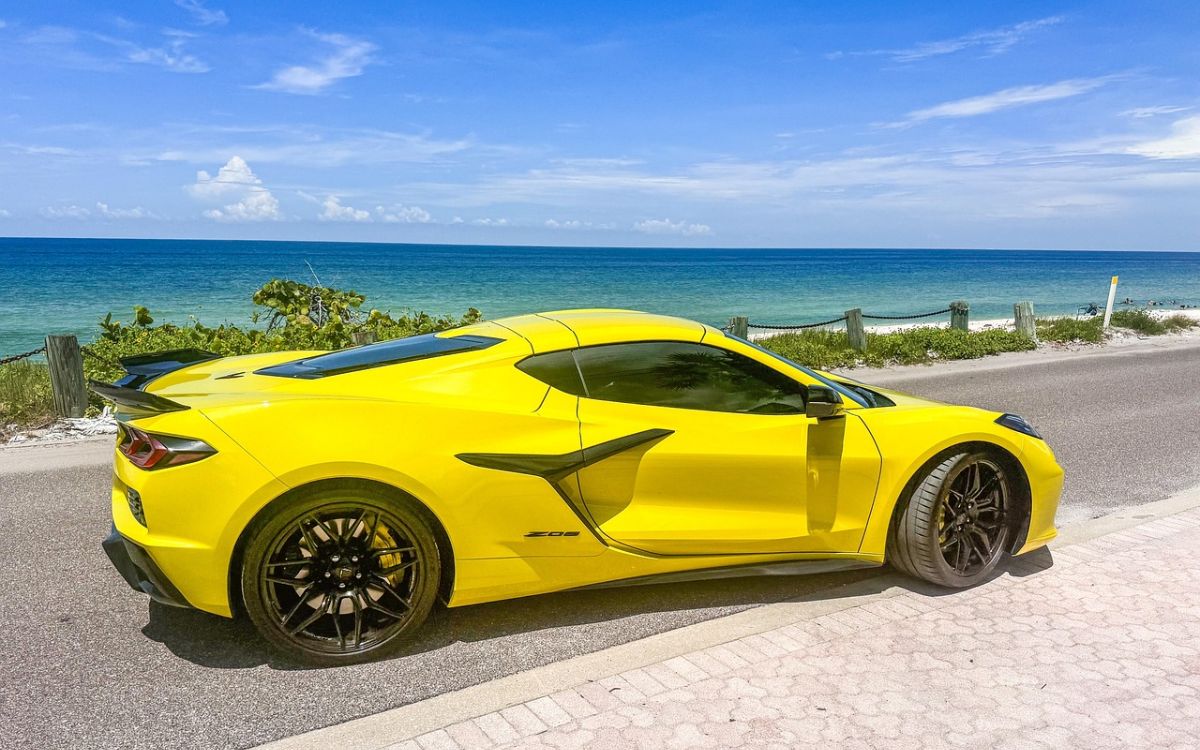
The old “daily driver” required compromise. You sacrificed comfort for speed or vice versa. That compromise is fading. Modern performance cars offer incredible bandwidth. A Chevrolet Corvette can cross the country in supreme comfort. It can also lap a racetrack with blistering pace. A BMW M5 is a family sedan and a supercar slayer.
This engineering achievement is remarkable. It means you do not need two cars. You do not need to choose between your passion and your practicality. The performance build has matured into a complete, usable package.
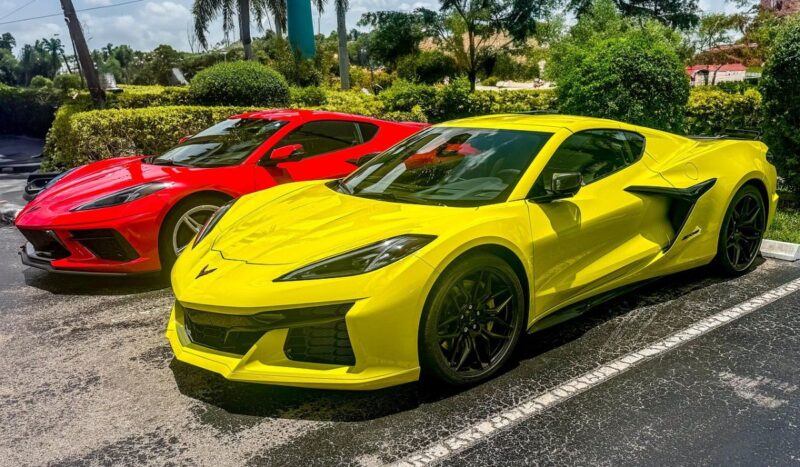
Image Credit: Michelle_Pitzel via Pixabay
The Electrification Shockwave
Electric motors are rewriting the rules entirely. Instant torque eliminates the need for complex gearing. A dual-motor setup provides all-wheel drive with perfect traction. Performance is now silent and seamless. Luxury brands like Porsche and Audi are embracing this. The Taycan and e-tron GT are benchmarks.
Street racers are also discovering electric power. Lightweight swaps into older cars are becoming a niche. The definition of a “performance build” is expanding again. It no longer requires a roaring engine. It now includes high-voltage batteries and regenerative braking.
The Future: Blurring Boundaries
The evolution continues. The distinctions are nearly gone. A luxury SUV now accelerates like a supercar from twenty years ago. A tuner’s turbocharged four-cylinder can embarrass a classic V8. The tools are shared. The goals are aligned.
Everyone wants more power, better handling, and daily usability. The street racer and the luxury buyer are on the same journey. They just have different budgets and different interior requirements.
Bottom Line
The performance build has transformed. No longer is it a niche hobby of extremes. Instead, it is a mainstream pursuit of balanced excellence. At the same time, it respects the past while embracing the future. Ultimately, it proves that speed and sophistication are not enemies. They are partners.
This evolution has made great cars better. It has made driving more enjoyable for everyone. That is progress worth celebrating.