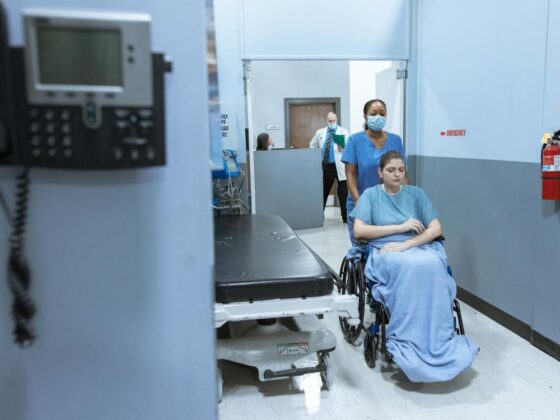
The outcomes of a serious accident should hinge on one question: What do you need to recover? Instead, across America, a second question increasingly determines outcomes: Can you afford justice?
Here’s a number that should alarm anyone who believes in equal protection: Accident victims in ZIP codes with median household incomes below $40,000 obtain legal representation in only 23% of serious injury cases, compared to 71% in areas where median incomes exceed $100,000, according to 2023 data from the National Center for Access to Justice. The gap isn’t about injury severity—it’s about access.
This disparity doesn’t just affect case outcomes. It shapes who receives adequate medical care, who can pay their bills during recovery, and who ends up financially devastated by events they didn’t cause. The scales of justice don’t tip randomly—they tip predictably, consistently, and in ways that amplify existing inequalities.
What follows isn’t just about personal injury law. It’s about civic infrastructure that’s supposed to protect everyone equally but demonstrably doesn’t. It’s about the difference between theoretical rights and practical remedies. And it’s about grasp why access to justice after an accident has become as unequal as access to healthcare, quality education, or economic opportunity.
The Justice Gap: Who Gets Help When Disaster Strikes
Maria’s case illustrates the problem with devastating clarity. After a delivery truck ran a red light in South Atlanta last year, she sustained three fractured vertebrae and couldn’t work for six months. She spoke limited English, had no savings, and didn’t know where to begin managing insurance claims or medical bills that approached $87,000.
During that time, she missed critical deadlines, and she even signed documents she didn’t fully understand. As a result, she accepted a settlement offer of $12,000—an amount that wouldn’t have covered her first month of lost wages and medical costs combined.
Maria’s near-miss isn’t unusual. Research from Georgetown University’s Civil Justice Initiative shows that 86% of low-income Americans facing serious legal problems receive inadequate or no professional help. In civil matters—which include accident claims—the representation gap becomes a chasm.
The geographic dimension tells an equally troubling story. The American Bar Association identifies “legal deserts”—counties where attorney-to-population ratios fall below functional thresholds for civil representation. In 2024, more than 30 million Americans live in these deserts, where finding qualified counsel for anything short of criminal defense proves nearly impossible.
These aren’t exclusively rural areas. Urban legal deserts exist within major cities, carved along economic lines:
| Income Bracket | Representation Rate | Average Settlement (Serious Injury) | Time to Resolution |
| Below $25,000 | 19% | $14,200 | 28 months |
| $25,000-$50,000 | 34% | $31,800 | 22 months |
| $50,000-$100,000 | 58% | $67,400 | 16 months |
| Above $100,000 | 76% | $118,000 | 14 months |
These aren’t different types of cases. Researchers controlled for injury severity, liability clarity, and insurance coverage. The variable that moves the needle? Whether victims can access qualified representation.
The compounding effect creates what researchers call “justice multiplication.” Unrepresented victims not only receive lower settlements—they also face longer resolution times, which means extended periods without income, mounting debt, and deteriorating financial stability. By the time cases resolve, many have lost homes, exhausted savings, or filed bankruptcy over medical bills they could have recovered.
The Hidden Toll: When Accident Victims Manage The System Alone
The numbers behind unrepresented claims show a pattern that should concern anyone who values fair outcomes. This isn’t about legal technicalities—it’s about fundamental fairness in how our civil justice system treats people based on their resources.
Settlement value disparities paint the clearest picture. A 2023 Insurance Research Council study tracking 47,000 bodily injury claims found that represented claimants received settlements averaging 3.5 times higher than unrepresented claimants with comparable injuries. The median represented settlement reached $44,600, while unrepresented victims settled for $12,800.
The gap widens dramatically for serious injuries:
- Traumatic brain injuries: Represented victims average $285,000, unrepresented average $43,000
- Spinal cord injuries: Represented victims average $412,000, unrepresented average $67,000
- Multiple fractures requiring surgery: Represented victims average $127,000, unrepresented average $28,000
Medical treatment access tells an equally troubling story. Unrepresented victims delay or forgo treatment at rates that shock public health researchers. Among accident victims surveyed six months post-incident:
- 62% of unrepresented victims reported delaying specialist care due to cost concerns
- 47% discontinued physical therapy before completing recommended treatment
- 38% never saw a specialist despite primary care referrals
- 29% relied solely on emergency room care without follow-up
Represented victims faced these barriers at dramatically lower rates: 18%, 12%, 9%, and 6% respectively. Why? Because experienced attorneys connect clients with medical providers who work on liens—treating now, receiving payment when cases settle. Without that navigation, victims face impossible choices between rent and recommended care.
Consider James’s experience. After a rear-end collision left him with herniated discs and chronic pain, his insurance covered $15,000 in medical expenses—barely enough for initial diagnostics and conservative treatment. His orthopedist recommended epidural injections and possible surgery, with estimated costs approaching $45,000.
The long-term financial impact extends far beyond settlement amounts. Boston University researchers tracking accident victims over five years found that unrepresented victims experienced:
- Bankruptcy rates 4.2 times higher than represented victims
- Medical debt averaging $34,000 vs. $8,200 for represented victims
- Credit score drops averaging 127 points vs. 41 points for represented victims
- Home foreclosure rates 3.7 times higher among homeowners
These compounded disadvantages create downward spirals. Unrepresented victims accept inadequate settlements because they’re desperate. Those settlements don’t cover ongoing treatment or lost earning capacity. Medical bills mount. Credit deteriorates. Economic stability crumbles. The accident becomes not just a medical crisis but a financial catastrophe that could have been prevented with proper representation.
Big Rigs, Bigger Complications: Why Commercial Vehicle Crashes Expose System Inequities
Commercial trucking accidents magnify every access-to-justice problem that exists in ordinary car crashes—and add layers of complexity that make skilled representation not just helpful but essential. The federal regulatory framework governing trucking creates barriers that effectively lock out victims who can’t work through specialized legal terrain.
Here’s what makes truck cases different. Commercial vehicles operate under Federal Motor Carrier Safety Regulations—a dense regulatory structure covering everything from driver rest periods to cargo securement to maintenance schedules. Violations of these regulations can establish liability, but identifying those violations requires expertise most accident victims don’t possess.
The corporate structure behind truck accidents creates additional obstacles. A victim might think they’re dealing with the driver, when liability actually involves:
- The trucking company employing or contracting the driver
- The company that owns the truck (often different from the employer)
- The cargo owner or shipper
- The maintenance provider
- The truck or equipment manufacturer
- Multiple insurance carriers with overlapping policies
Untangling these relationships requires investigative resources most individuals lack. Corporate defendants in trucking cases deploy legal teams immediately after serious crashes. They secure evidence, interview witnesses, download electronic logging data, and begin building defenses while victims are still in intensive care.
- Represented truck accident victims: Average settlement $178,000
- Unrepresented truck accident victims: Average settlement $31,000
For catastrophic injuries involving commercial vehicles, the gap becomes a canyon. Represented victims with permanent disabilities averaged $847,000 in settlements and verdicts, while unrepresented victims with comparable injuries averaged $127,000.
Major transportation corridors like Atlanta—where Interstates 75, 85, and 20 intersect—see disproportionate commercial vehicle accident rates and correspondingly high access barriers. Georgia ranks fourth nationally in truck accident fatalities, with over 5,000 large truck crashes in 2023 alone. In metropolitan Atlanta, victims in lower-income southside neighborhoods obtain representation in only 31% of serious truck accident cases, compared to 73% in affluent northern suburbs.
This is where specialized legal expertise levels the playing field. A qualified truck accident lawyer Atlanta brings resources that individual victims can’t match: accident reconstruction experts, medical specialists familiar with trucking injury patterns, investigators who preserve electronic evidence before it’s deleted, and knowledge of federal regulations that create liability paths most people never find. Without this expertise, victims facing corporate legal departments enter battles they’re structurally designed to lose.
Regional data reveals how geography compounds disadvantage. The Commercial Vehicle Safety Alliance’s 2024 report shows that enforcement of federal trucking regulations varies dramatically by region. States with stronger enforcement and more frequent inspections see better outcomes for accident victims because violation evidence is more readily available.
Consider the difference in out-of-service violation rates (violations serious enough to ground trucks immediately):
| Region | Inspection Rate | Out-of-Service Rate | Average Victim Recovery (Serious Injury) |
| High-enforcement states | 1 in 4.2 trucks | 22.3% | $167,000 |
| Medium-enforcement states | 1 in 8.7 trucks | 16.8% | $89,000 |
| Low-enforcement states | 1 in 15.3 trucks | 11.4% | $52,000 |
Victims in low-enforcement states face double disadvantage: fewer regulatory violations are documented before accidents occur, and less enforcement data exists to establish patterns of negligence. Without representation that can conduct independent investigations, victims in these regions have virtually no path to fair compensation.
The representation gap in commercial vehicle cases isn’t an abstract legal problem—it’s a civic infrastructure failure that leaves vulnerable populations unprotected against some of the most dangerous actors on our roads.
The Care Cascade: How Delayed Medical Attention Compounds Injustice
Medical care access after accidents follows a pattern that perfectly mirrors legal representation gaps—and creates independent barriers that worsen outcomes regardless of whether victims eventually find lawyers. The time between injury and appropriate treatment often determines both health outcomes and claim viability.
The statistics on delayed treatment among uninsured and underinsured accident victims show a public health crisis hiding inside a civil justice problem. Research from Johns Hopkins tracking 12,000 accident victims over 18 months found that:
- 71% of uninsured accident victims delayed seeing specialists beyond 30 days
- 54% of victims with high-deductible plans ($5,000+) postponed recommended imaging
- 43% of underinsured victims never completed recommended physical therapy courses
- 38% relied on emergency room care as their only treatment source
These delays aren’t medically insignificant. Orthopedic surgeons report that soft tissue injury treatment delayed beyond 72 hours shows 40% worse long-term outcomes compared to immediate intervention. For traumatic injuries, that window narrows to 24 hours.
The impact on claim outcomes compounds the medical tragedy. Insurance adjusters routinely argue that treatment gaps indicate injuries weren’t serious. A victim who waits three weeks to see a doctor after a collision faces skepticism about whether the accident caused their symptoms—even when financial barriers, not injury severity, explain the delay.
Claims data bears this out. Victims who received treatment within 72 hours and maintained consistent care averaged settlements 2.7 times higher than victims with identical injuries but inconsistent treatment patterns. The legal system penalizes poverty-driven treatment gaps as though they reflect fraudulent claims rather than economic desperation.
Financial barriers to specialist referrals create additional access cliffs. Primary care physicians routinely refer accident victims to orthopedists, neurologists, pain management specialists, and physical therapists. But these referrals mean nothing when victims can’t afford appointments.
The average specialist visit costs $300-$600 for uninsured patients. A full orthopedic evaluation including imaging approaches $2,000. Recommended physical therapy—typically 2-3 sessions weekly for 12 weeks—runs $7,000-$12,000without insurance. For victims with household incomes below $50,000, these costs are prohibitive.
This is where immediate-access care options become critical justice infrastructure. Walk-in chiropractic clinics and urgent care facilities that accept liens or delayed payment help bridge the gap before insurance processes resolve. When victims can find a walk in chiropractor near me who will document injuries, provide initial treatment, and work with attorneys on payment, they avoid the treatment gaps that tank both health outcomes and claim values. These providers create on-ramps to the documentation and care that victims need but can’t immediately afford.
Regional healthcare desert data reveals geographic patterns that overlap disturbingly with legal deserts. The Health Resources and Services Administration designates Primary Care Health Professional Shortage Areas—regions where physician-to-population ratios fall below adequate thresholds. As of 2024, more than 102 million Americans live in these shortage areas.
The overlap is striking. Counties designated as both legal deserts and healthcare shortage areas—which include 37% of rural counties and significant portions of urban cores—show accident victim outcomes far worse than areas with adequate professional infrastructure:
- Average time to first treatment: 31 days vs. 4 days in well-resourced areas
- Rate of permanent disability from moderate injuries: 28% vs. 11%
- Average settlement for comparable injuries: $18,000 vs. $73,000
These aren’t different populations with different injury severabilities. They’re victims of the same types of accidents receiving dramatically different treatment—and experiencing dramatically different outcomes—based solely on where they live and what resources they can access.
The Documentation Divide: Why Evidence Collection Separates Winners From Losers
In personal injury claims, evidence isn’t just helpful—it’s determinative. But the quality and completeness of evidence varies dramatically based on factors that have nothing to do with what actually happened and everything to do with who has resources to document it properly.
Police report quality demonstrates how resource disparities shape case outcomes from the first moments after a crash. A Northwestern University study analyzing 35,000 accident reports across 200 jurisdictions found documentation quality varied dramatically:
- Well-funded departments ($1,000+ per capita in budgets): Reports included diagrams in 89% of cases, witness statements in 76%, and clear fault determinations in 68%
- Underfunded departments (below $400 per capita): Reports included diagrams in 34% of cases, witness statements in 21%, and clear fault determinations in 31%
This isn’t about officer competence. It’s about time, training, and resources. Departments with adequate staffing can spend 45-60 minutes investigating crashes. Underfunded departments facing call backlogs spend 12-15 minutes, barely enough to collect basic information and clear the scene.
The consequence? Victims injured in well-resourced jurisdictions receive police reports that establish liability and document conditions. Victims injured blocks away in underfunded areas receive bare-bones reports that leave critical questions unanswered. Insurance adjusters treat these reports very differently.
Witness statement preservation shows similar patterns. Witnesses to accidents often leave scenes before police arrive—especially in urban areas where bystanders assume others will handle it. Represented victims typically have investigators locate and interview witnesses within 48-72 hours, preserving accounts while memories are fresh.
Unrepresented victims rarely know witness identification matters or how to find people who saw crashes but didn’t stay. By the time they realize witness statements would help, weeks or months have passed. Memories fade. Contact information grows stale. Critical corroboration disappears.
A recent comparison in Houston proved instructive. Two similar intersection crashes occurred the same weekend in adjacent neighborhoods. Both involved drivers running red lights and causing serious injuries. Both had multiple witnesses who left before police arrived.
In the first case—a represented victim—investigators located six witnesses within three days. Five provided detailed statements. One had dashcam footage. The case settled in nine months for $340,000.
In the second case—an unrepresented victim—no witnesses were ever identified. Without corroboration, the at-fault driver disputed running the light. The case dragged for two years before settling for $47,000.
It was the same type of accident, with identical injury severity and clear liability in terms of what actually happened.
Medical documentation thoroughness varies by provider type in ways that directly affect claim outcomes. Emergency rooms prioritize stabilization, not comprehensive documentation for legal purposes. ER records often note “patient reports neck pain” without detailed examination, objective findings, or treatment recommendations.
Specialists provide far more detailed documentation. Orthopedists document range of motion restrictions, palpable muscle spasms, vertebral tenderness, and specific diagnostic findings. Physical therapists create detailed treatment notes tracking progress—or lack thereof. Pain management specialists document failed conservative treatments before recommending interventional procedures.
This documentation granularity matters enormously. Insurance adjusters routinely challenge claims supported only by ER records and primary care notes as “subjective complaints.” The same claims supported by specialist documentation showing objective findings, diagnostic test results, and evidence-based treatment progressions settle for multiples of what ER-documented claims yield.
Access to accident reconstruction creates perhaps the starkest documentation divide. Serious crashes often require expert reconstruction to establish speed, sequence of events, visibility, and mechanical factors. Reconstruction costs $5,000-$15,000 for basic analysis, more for intricate scenarios.
Represented victims in significant cases routinely have reconstruction performed. Unrepresented victims almost never do—they simply can’t afford it. This gap matters especially in disputed liability cases where physical evidence could prove fault.
| Evidence Available | Settlement Rate | Average Settlement | Trial Win Rate |
| Reconstruction + medical specialists + witnesses | 94% | $167,000 | 78% |
| Medical specialists + witnesses | 87% | $89,000 | 61% |
| Basic medical + police report | 73% | $34,000 | 42% |
| ER records + police report only | 54% | $12,000 | 28% |
The progression is clear: more thorough documentation yields better outcomes. But thorough documentation requires resources most unrepresented victims lack. The documentation divide becomes a justice divide—not because the facts differ, but because the proof differs.
The Settlement Cliff: When “Quick Money” Means Long-Term Poverty
Few aspects of post-accident vulnerability are more exploited than desperation for immediate funds. The pressure to accept early settlement offers—often a fraction of true claim value—reveals how financial precarity gets weaponized against people who need protection most.
The data on early settlement outcomes should trouble anyone who believes our civil justice system produces fair results. Northwestern Law School researchers tracking 8,700 personal injury settlements found striking patterns:
- Settlements reached within 90 days of injury averaged $19,400
- Settlements reached after 12+ months averaged $87,000
- For the same injury types, controlled for severity
The time differential wasn’t about negotiating strategy. It was about which victims could afford to wait for fair compensation and which couldn’t.
Here’s how the pressure campaign typically works. Within two to four weeks of an accident—often while victims are still treating and before they fully understand their injuries—insurance adjusters make offers. The amounts sound significant to people facing mortgage payments with no income: $15,000, $25,000, sometimes $40,000 for serious injuries.
Adjusters frame offers as generous, time-limited, and contingent on quick acceptance. They emphasize certainty over uncertainty, noting that litigation can take years and that lawyer fees will reduce any eventual recovery. Additionally, they make signing sound like the prudent choice.
What they don’t explain: that $25,000 offer for a back injury might seem adequate before victims know they’ll need surgery costing $65,000, that six months of lost wages will become fourteen months, or that chronic pain will prevent returning to physically demanding work.
The long-term medical cost underpayment statistics expose systematic undervaluation. Johns Hopkins researchers tracked 2,400 accident victims who accepted early settlements (within 120 days). At 36-month follow-up:
- 68% had incurred medical costs exceeding settlement amounts
- 54% had required treatments they hadn’t anticipated at settlement
- 41% experienced ongoing symptoms requiring continued care
- 29% had been forced to pay out-of-pocket for treatments settlement should have covered
The average settlement-to-actual-cost ratio: $1.00 settled for every $3.40 in real costs. Victims didn’t receive one-third of what they needed because they accepted offers before awareness what they needed.
Tactics used to pressure unrepresented claimants venture into territory that regulation struggles to address. While outright lies and misrepresentations violate insurance regulations, subtler pressure techniques remain common:
- Calling repeatedly, sometimes daily, to “check on settlement status”
- Expressing concern that delays will make the company “reconsider” current offers
- Suggesting that hiring attorneys will trigger adversarial processes that take years
- Offering slightly increased amounts with extremely short acceptance deadlines
- Implying that medical treatments beyond basic care are excessive or unnecessary
These tactics work because they exploit real vulnerabilities. Victims without income face actual financial crises. Eviction notices are real. Utility shutoffs happen. Medical bills go to collections. The fear driving acceptance of inadequate offers reflects genuine desperation, not irrationality.
Consider Elena’s story. Three months after a collision left her with torn rotator cuff requiring surgery, she’d exhausted her $4,000 in savings. Her landlord had issued an eviction notice. She’d been calling food banks to feed her kids. When an adjuster offered $32,000, it felt like rescue.
She signed immediately. The surgery alone cost $48,000. Physical therapy added $14,000. She’d lost eight months of wages totaling $31,000. The $32,000 settlement—which felt enormous when she was desperate—covered 35% of her actual losses. She filed bankruptcy two years later.
Consumer protection gaps in current insurance regulations allow this exploitation to continue. Most states require insurers to make settlement offers in good faith, but “good faith” definitions rarely account for timing pressure or information asymmetry. Regulations prohibit misrepresentation but don’t address aggressive pursuit of vulnerable claimants who lack counsel.
Some states have begun implementing reforms:
- California now requires 15-day minimum consideration periods for settlement offers
- New York mandates disclosure of medical cost projections before serious injury settlements
- Washington has implemented regulations limiting contact frequency with unrepresented claimants
- Illinois requires written explanations when settlement offers fall below policy limits
These reforms show promise, but they’re exceptions. In most jurisdictions, aggressive early settlement tactics face minimal regulatory constraint. The settlement cliff remains wide open, and vulnerable victims keep falling off it.
Information Asymmetry: The Knowledge Gap That Costs Millions
Perhaps no factor determines accident victim outcomes more than whether people know their rights, understand deadlines, and recognize when they’re being mistreated. Information asymmetry—the gap between what professionals know and what laypeople understand—creates exploitation opportunities that cost victims millions annually.
What victims don’t know about their rights could fill legal textbooks. A 2023 survey by the American Bar Association Foundation questioned 3,200 recent accident victims who handled claims without attorneys. The knowledge gaps were staggering:
- 73% didn’t know they could negotiate settlement offers
- 68% were unaware they could claim lost wages beyond direct medical costs
- 61% didn’t understand insurance policies had multiple coverage types
- 54% thought accepting property damage payment meant they couldn’t later claim injuries
- 47% believed insurance companies were legally obligated to tell them their full rights
That last finding particularly troubles consumer advocates. While insurance adjusters can’t outright lie, they have no legal duty to educate claimants about claim strategies, coverage maximums, or negotiation approaches. The relationship is inherently adversarial—adjusters work to minimize payouts—but victims often don’t realize this until after accepting inadequate settlements.
Regional differences in public legal education access create geographic disparities in basic rights awareness. States with well-funded legal aid programs and active bar association outreach show significantly higher rights literacy:
| State Legal Ed Ranking | Rights Awareness Score | Avg Settlement (Controlled for Injury) | Representation Seeking Rate |
| Top quartile | 6.8/10 | $67,000 | 58% |
| Second quartile | 4.9/10 | $51,000 | 44% |
| Third quartile | 3.7/10 | $38,000 | 31% |
| Bottom quartile | 2.1/10 | $22,000 | 19% |
The correlation is clear: populations with better access to legal education information make more informed decisions, seek representation more often, and achieve better outcomes. But public legal education funding remains grossly inadequate in most states. The American Bar Association estimates that $340 million annually would fund comprehensive public legal education nationwide. Current funding: $47 million.
Language barriers create additional information access problems that particularly affect immigrant communities. Federal law requires some insurance communications in languages other than English, but requirements are limited and enforcement weak. A study of 1,200 Spanish-speaking accident victims in Texas, California, and Florida found:
- 81% received initial settlement offers only in English
- 67% never received policy explanations in their native language
- 59% misunderstood coverage limitations because of translation issues
- 44% signed documents they couldn’t fully read
These barriers aren’t just inconvenient—they’re dispositive. Victims who don’t understand their rights can’t protect them. Victims who can’t read settlement releases can’t evaluate whether terms are fair. Language access isn’t a peripheral equity issue; it’s core to whether justice systems function for everyone.
Digital access divides compound information barriers. Most legal resources have moved online—state bar websites, court filing systems, legal aid intake portals, and educational materials exist primarily in digital formats. But significant populations lack reliable internet access:
- 43% of Americans earning less than $30,000 lack home internet access
- 31% of rural residents have no broadband availability
- 27% of older people lack internet access or digital literacy for navigation.
Information concentrated in digital formats becomes inaccessible to precisely the populations most vulnerable after accidents. The digital divide becomes another facet of the justice divide.
Perhaps most consequentially, victims regularly miss statutes of limitations through pure ignorance that deadlines exist. Every state imposes time limits on injury claims—typically one to three years depending on jurisdiction and claim type. Miss the deadline, and even the strongest case becomes worthless.
National data shows approximately $2.4 billion in otherwise valid personal injury claims are lost annually because victims miss filing deadlines. The victims who miss deadlines aren’t randomly distributed:
- 78% had household incomes below $50,000
- 71% lacked education beyond high school
- 68% were handling claims without representation
- 62% didn’t know statutes of limitations existed until after expiration
These aren’t sophisticated legal technicalities that require expert knowledge to understand. They’re basic procedural deadlines—but only if someone tells you they exist. Information asymmetry doesn’t just disadvantage victims in negotiations; it can completely eliminate their rights through sheer ignorance.
Building Fairer On-Ramps: Practical Paths To Protect Your Rights
Awareness systemic access barriers matters, but individuals facing accidents still need practical guidance. What can someone do—right now, with limited resources—to protect their rights and improve their chances of fair treatment?
Immediate post-accident documentation steps matter enormously. Evidence preserved in the first 24-72 hours often proves decisive:
- Photograph everything at the scene if physically able: vehicle damage from multiple angles, skid marks, traffic controls, road conditions, visible injuries, and the overall scene context
- Collect witness information before people leave: names, phone numbers, and brief statements about what they saw
- Request police reports immediately and review for accuracy within 48 hours—errors can often be corrected if caught early
- Document all symptoms even if they seem minor: many serious injuries manifest gradually
- Preserve clothing and damaged personal items as evidence of impact severity
- Write detailed personal accounts while memory is fresh, including time, weather, visibility, and exact sequence of events
- Photograph injuries as they develop over subsequent days—bruising and swelling often worsen after initial impact
- Save all medical records, bills, and receipts from day one forward
These steps cost nothing but attention and create evidence that attorneys can’t recreate weeks later. They level part of the documentation playing field even without professional help.
Free and low-cost legal consultation resources exist in every state, though finding them requires knowing where to look:
- State bar association referral services: Most offer free 30-minute consultations with screened attorneys
- Legal aid organizations: Serve low-income populations; find local offices through LawHelp.org
- Law school clinics: Many universities operate clinics where supervised students provide free consultations
- Protection and advocacy agencies: Focus on accident victims with disabilities
- Local nonprofit legal services: Often funded through Interest on Lawyer Trust Accounts (IOLTA) programs
- Online resources: Sites like JusticeForAll.org and Nolo.com provide state-specific guidance
- Community health centers: Sometimes employ legal navigators who can make referrals
The key is acting quickly. Many free resources operate first-come, first-served, and intake processes can take weeks. Waiting until the statute of limitations pressure builds limits options.
How to evaluate legal representation quality protects against the small percentage of attorneys who prey on vulnerable clients. Red flags include:
- Guaranteeing specific settlement amounts before reviewing your case
- Requesting upfront payments in personal injury cases (reputable attorneys work on contingency)
- Pressuring immediate retention without giving you time to consider
- Unable or unwilling to explain fee structures clearly
- No clear track record in cases similar to yours
- Poor communication or unavailability
- Negative reviews showing patterns of client complaints
- Reluctance to provide references or case examples
Green flags include:
- Transparent contingency fee explanations (typically 33-40% of recovery)
- Clear communication about realistic timelines and potential outcomes
- Willingness to refer you elsewhere if your case isn’t their specialty
- Verifiable track record with cases like yours
- Professional office environment and organized case management
- Clear availability protocols and communication expectations
- Positive client reviews mentioning responsiveness and results
- State bar membership in good standing (easily verified online)
Medical care documentation best practices help whether or not you have representation:
- Attend all scheduled appointments without gaps—even short delays create defense arguments
- Follow all treatment recommendations precisely as prescribed
- Report all symptoms even if they seem unrelated—physicians can’t document what you don’t mention
- Keep personal symptom diaries noting pain levels, limitations, and how injuries affect daily activities
- Obtain copies of all medical records regularly—don’t wait until you need them for legal proceedings
- Ask for detailed explanations of diagnoses and connect them to the accident when speaking with providers
- Photograph visible injuries at each stage of healing
- Save all prescription information and document medication side effects
These documentation practices create the evidence foundation that supports fair settlements, whether you negotiate directly or work with counsel. Medical providers can only document what you tell them, and consistent, detailed reporting strengthens every claim.
Conclusion: Justice Deferred Is Justice Denied
The access-to-justice gap after accidents isn’t an abstract policy concern—it’s a daily crisis affecting hundreds of thousands of Americans who suffer preventable financial devastation on top of physical trauma. The patterns are clear, consistent, and deeply troubling for anyone who believes legal systems should protect everyone equally.
We’ve documented how income, geography, language, digital access, and information asymmetry create barriers that systematically disadvantage the most vulnerable accident victims. We’ve shown how these barriers compound—how delayed medical care leads to worse claim outcomes, how missing documentation leads to lowball settlements, how desperation leads to accepting inadequate offers that guarantee long-term poverty.
But we’ve also shown practical steps that help level the playing field: immediate evidence preservation, accessing free legal consultations, careful medical documentation, and recognizing exploitation tactics. These aren’t complete solutions to systemic problems, but they’re actions individuals can take right now to protect themselves.
The broader challenge requires civic commitment. Legal aid funding. Public legal education. Language access requirements. Digital inclusion. Regulatory reforms that prevent predatory settlement tactics. Geographic distribution of legal services. These aren’t partisan issues—they’re basic infrastructure questions about whether our justice system functions for everyone or only for those who can afford access.
Until we address these structural barriers, accidents will continue to devastate not just the bodies but the financial futures of people who lack resources to manage sophisticated systems designed by and for professionals. The scales will keep tipping predictably, amplifying inequality and converting random misfortune into systematic injustice.
Access to justice shouldn’t depend on your ZIP code, your income, or your fluency in legal jargon. When disaster strikes, everyone deserves a fair chance to recover—medically, financially, and legally. That’s not a radical demand. It’s the basic promise of equal protection that our system claims to offer but demonstrably fails to deliver for millions of Americans every year.