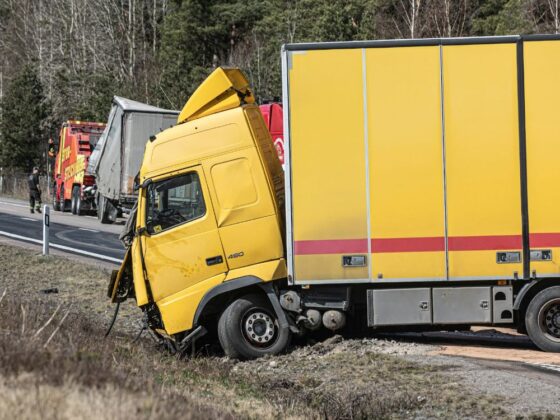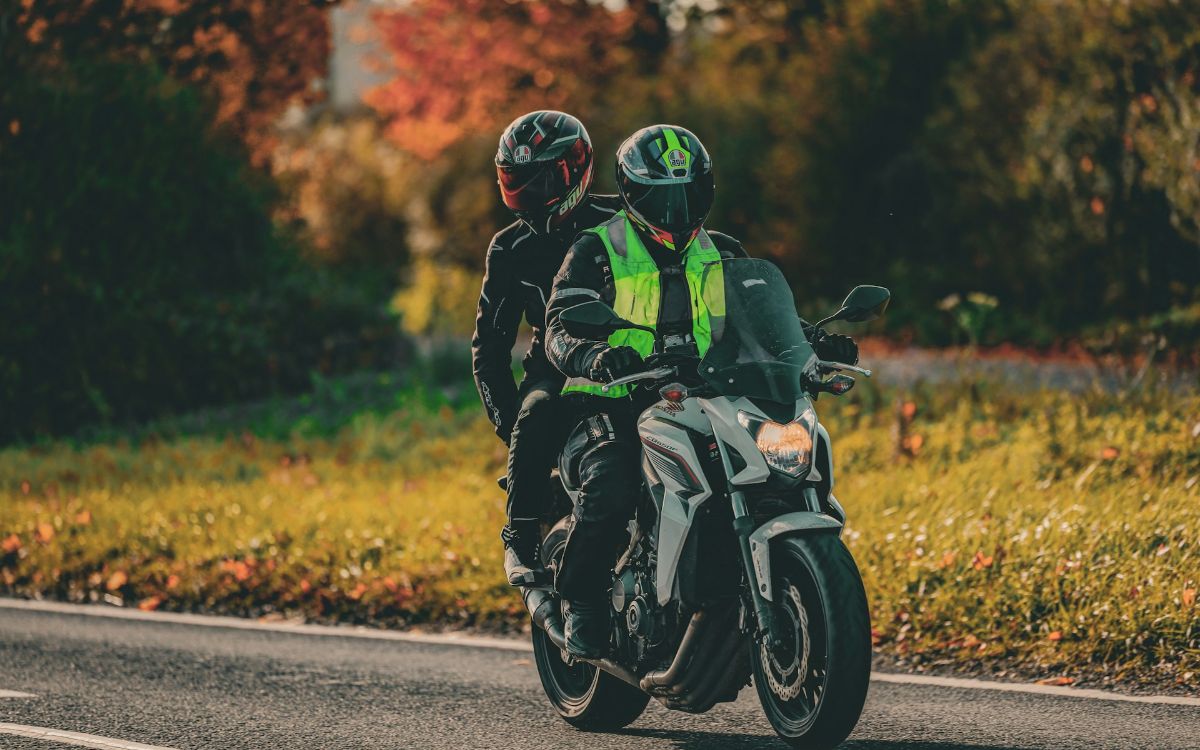
There is nothing quite like the feeling of the open road stretching out in front of your handlebars. Whether you are carving through mountain switchbacks or cruising along a coastal highway, a motorcycle road trip offers a sense of freedom that a car just cannot match. However, the vulnerability of being on two wheels means that preparation is your best friend when things go sideways. If the worst happens and you find yourself in a collision due to someone else’s negligence, contacting a motorcycle accident lawyer is often the most important step in protecting your future. Safety is about more than just wearing a helmet; it is about a mindset that anticipates the unexpected so you can enjoy the ride with peace of mind.
Gear Up Beyond the Basics
Most riders know the “all the gear, all the time” rule, but a long road trip demands more than just your daily commute kit. When you are hundreds of miles from home, your gear is your only line of defense against both the pavement and the elements. Investing in a high-quality touring suit with integrated armor at the elbows, shoulders, and knees is a game-changer for comfort and protection.
Do not overlook your hands and feet either. Sturdy, over-the-ankle boots and reinforced gloves are non-negotiable. It is also smart to pack for changing weather. Hypothermia or heat exhaustion can dull your reaction times just as much as alcohol or fatigue. Pack a cooling vest for desert stretches and high-quality rain gear that fits over your leathers. Being dry and comfortable keeps you focused on the road rather than your own discomfort.
The Pre-Ride Mechanical Check
Your bike will be under a lot of stress during a multi-day trip. A breakdown in your driveway is an annoyance, but a mechanical failure at highway speeds in the middle of nowhere is a genuine crisis. Before you leave, perform a “T-CLOCS” inspection: Tires, Controls, Lights, Oil, Chassis, and Stands.
Check your tire tread depth and pressure daily during the trip. Heat and heavy luggage loads can cause tires to wear much faster than usual. Inspect your chain or belt tension and make sure your brakes have plenty of life left. Carrying a small tool kit, a tire plug kit, and a portable air compressor can save you hours of waiting for a tow truck in a dead zone.
Navigating Unknown Territory
Riding in a new environment is one of the joys of touring, but it comes with unique risks. Local drivers might be used to narrow roads or aggressive merges that catch you off guard. Furthermore, road conditions can change instantly. You might encounter gravel in a sharp turn, sudden deer crossings, or “tar snakes” that become slick in the heat.
Stay alert and increase your following distance. When you are on a long stretch of highway, it is easy to zone out, which is when most accidents happen. Use a GPS mounted within your line of sight so you aren’t fumbling with a phone, but try to memorize the general route beforehand. The less you have to look away from the pavement, the safer you will be.
Managing Fatigue and Hydration
Fatigue is a silent killer for motorcyclists. Unlike driving a car, riding a bike is a physical workout that requires constant micro adjustments and balance. Wind blast and engine vibration eventually wear down your central nervous system.
Plan for frequent stops even if you feel like you can keep going. A twenty-minute break every two hours allows you to stretch, hydrate, and reset your mental focus. Dehydration is another common pitfall that leads to poor decision-making and slow reflexes. Use a hydration bladder in your backpack so you can sip water while you ride. If you start feeling “highway hypnosis” or find yourself missing signs and exits, it is time to call it a day and find a motel.
Group Riding Etiquette
If you are traveling with friends, make sure everyone is on the same page regarding pace and hand signals. Group riding can be a blast, but it also adds a layer of complexity. Never “target private” the rider in front of you; keep your eyes on the road ahead. Use a staggered formation on straightaways to give everyone a cushion of space, and move to single file in tight curves.
Establish a plan for what to do if the group gets separated. Having a designated sweep rider and a lead rider ensures that no one gets left behind if someone has a mechanical issue or a minor spill. Communication is key, so consider using Bluetooth helmet headsets to stay in touch about upcoming turns or road hazards.
Final Word
The reality of the road is that you can do everything right and still encounter a driver who isn’t paying attention. While we all hope for a smooth journey, being prepared for the aftermath of a crash is part of being a responsible rider. If you end up needing legal guidance to navigate insurance hurdles or medical bills, a dedicated motorcycle accident lawyer can fight for the compensation you deserve. By focusing on maintenance, proper gear, and sharp mental habits, you can significantly tip the scales in your favor. Stay safe, stay visible, and enjoy every mile of the journey ahead.