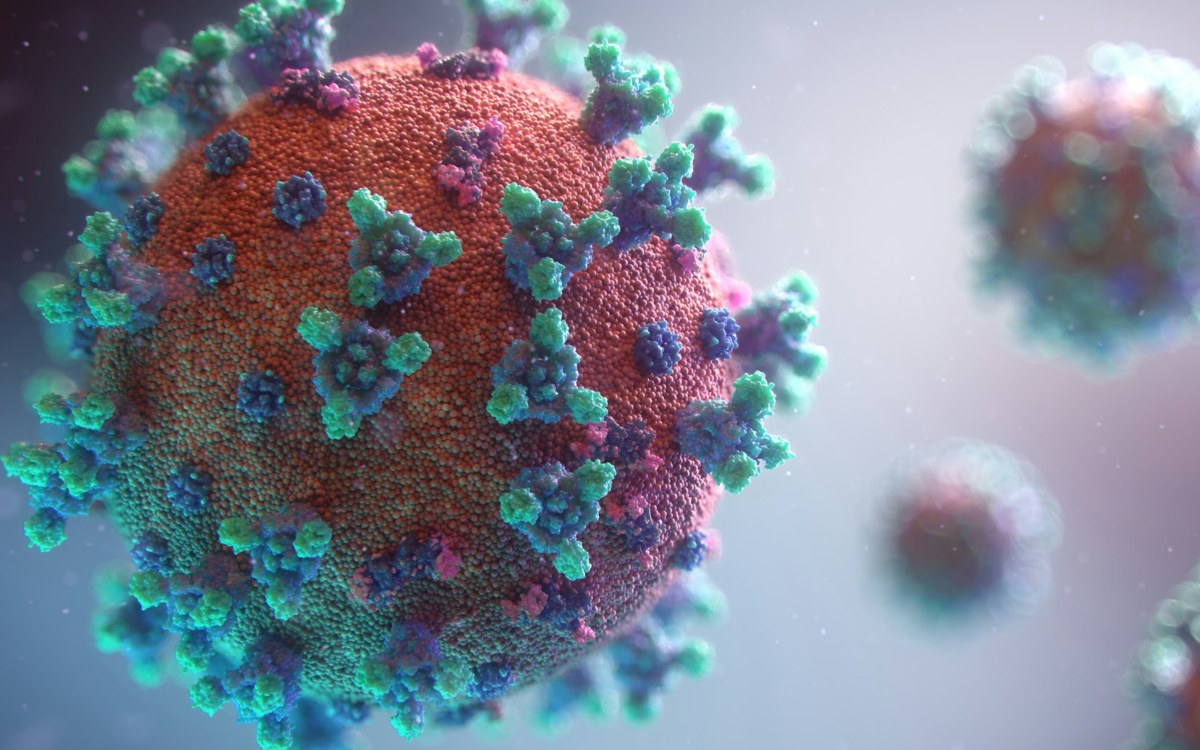
Disease research has always been about understanding tiny pieces of life. Scientists study how cells behave when sickness strikes the body. Every illness tells a story at the microscopic level. Researchers want to know why some cells fight while others fail. New tools are revealing secrets hidden within individual cells. This changes how we think about sickness and health fundamentally. The smallest scale of life holds big answers. Let’s see how technology unlocks these mysteries.
Building Life to Understand Disease
Scientists used to just observe cells doing their natural thing. They watched and took notes without changing anything directly. Now researchers can design and modify cells purposefully. This connects closely to synthetic biology which lets scientists build biological systems. They can create custom cells with specific traits for study. These engineered cells mimic disease states perfectly for research. Scientists watch how designed cells respond to potential treatments. The line between observing and creating blurs beautifully here. Understanding grows when you can build the system yourself.
Isolating the One Cell That Matters
Tumors contain millions of cells that all look similar at first. But some of those cells drive cancer more than others. Finding the dangerous ones used to be nearly impossible. Single cell dispensers now pick out individual cells with precision. Researchers can separate the aggressive from the harmless easily. They study exactly what makes certain cells dangerous. Treatments can target the worst offenders specifically now. Patients benefit from therapies aimed at real problems. This focused approach saves time and improves outcomes dramatically.
Watching Evolution Happen in Real Time
Bacteria evolve resistance to antibiotics faster than we can keep up. Watching this happen in a dish used to be frustrating. Populations changed too quickly to track individual steps. Single cell tools let researchers follow one bacterium at a time. They see exactly when and how resistance mutations appear. Scientists learn which drugs delay resistance most effectively. New treatment strategies emerge from watching evolution closely. Doctors prescribe medications more wisely with this knowledge. Patients stay healthier when bacteria cannot outsmart drugs.
Understanding Why Treatments Fail
Some patients respond wonderfully to therapy while others do not. Doctors used to scratch their heads at this mystery. The answer often lies in tiny differences between cells. Single cell dispensers help compare responsive and resistant cells directly. Researchers identify what protects some cells from medication. They find ways to overcome this resistance with new approaches. Combination therapies get designed based on real evidence. Each patient has a better chance of finding something that works. Personalized medicine becomes practical through this detailed understanding.
Discovering Rare Cell Types
The body contains many cell types scientists have never seen. Some exist in tiny numbers hidden among common cells. Finding them was like searching for needles in haystacks. Single cell technology brings these rare cells into view finally. Researchers discover new cell types with unexpected functions. Some of these rare cells play big roles in disease. Targeting them could lead to breakthrough treatments. The cellular atlas of human body keeps expanding. Every discovery opens new doors for helping patients.
Studying Metastasis Step by Step
Cancer becomes deadly when it spreads through the body. Understanding this process is crucial for saving lives. Metastasis involves single cells breaking away from tumors. Single cell dispensers capture these escape artists perfectly. Researchers study what makes some cells wander and others stay. They find ways to lock cancer cells in place. Drugs that prevent spread become easier to develop. Patients face less danger when cancer cannot travel. This research gives hope to millions diagnosed yearly.
Improving Gene Therapy Delivery
Gene therapy fixes diseases by changing faulty genetic instructions. Getting the new genes into right cells is tricky. Single cell tools help researchers test delivery methods precisely. They see which cells accept new genes successfully. Scientists learn why some cells reject helpful genetic cargo. Better delivery vehicles get designed from this knowledge. Gene therapies become safer and more effective over time. Patients with genetic disorders finally have real options. The promise of gene therapy inches closer to reality daily.
Growing Consistency in Research
Old methods mixed many cells together in experiments. Results reflected averages that might not tell true stories. Single cell approaches reveal what individual cells actually do. Researchers see variation that was hidden before completely. They design experiments that account for natural differences. Results become more reproducible across different labs globally. Published findings hold up better when retested later. Science advances on evidence that is solid and reliable. Everyone trusts research more when methods are precise.
Conclusion
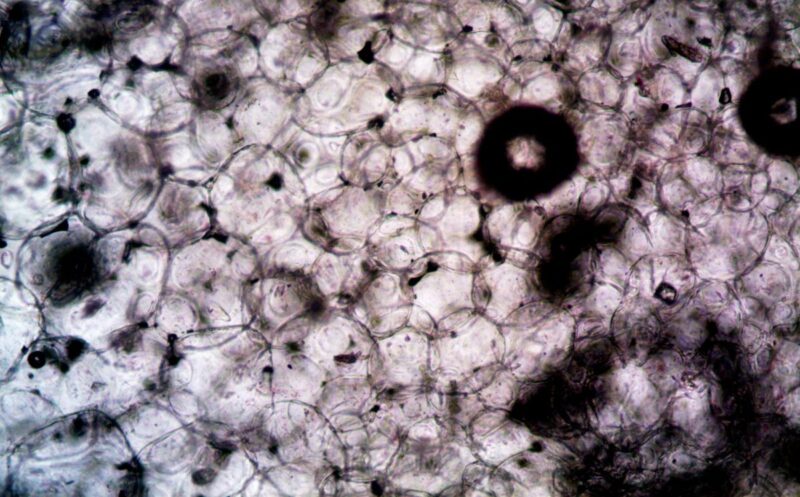
Single cells hold the keys to understanding sickness and health. New tools finally let researchers unlock these secrets properly. Every tiny cell tells a story worth hearing carefully. Scientists listen with technology designed for small conversations. Patients benefit from knowledge gained one cell at a time. The future of medicine looks incredibly bright from here. Breakthroughs will come from focusing on smallest details. Research keeps pushing boundaries of what seems possible. One cell might hold cure for disease someday soon.