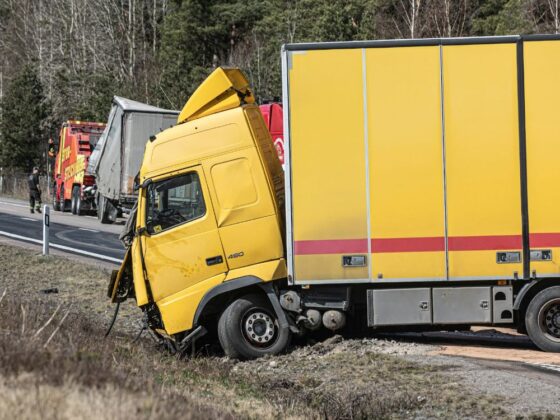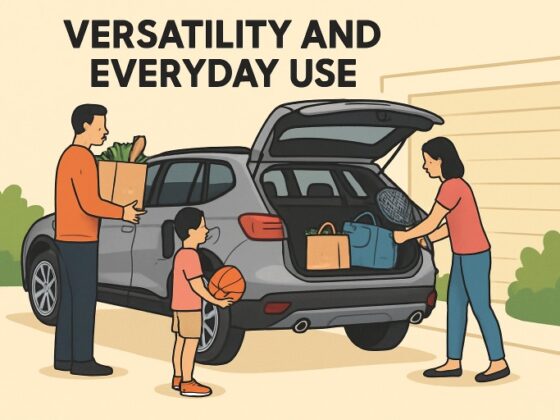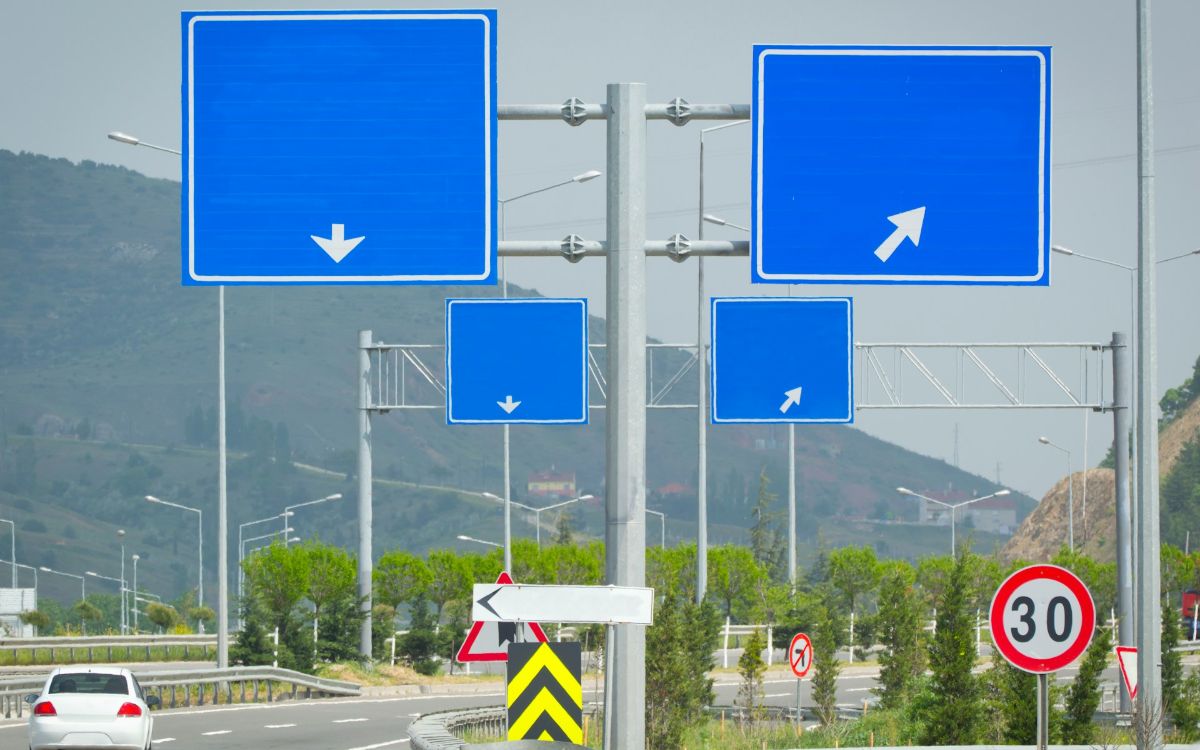
We have all been there. You are packing the car, the playlist is ready, and you are itching to get on the open road. But before you shift into drive, it is worth remembering that the highway is a high-stakes environment where things move fast. Even with the best planning, the unexpected can still happen on the road. If you need to understand your options after a serious collision, learn more about the steps that may follow. Taking a few minutes to brush up on safety habits can be the difference between a great trip and a total disaster.
Give Your Car a Quick Health Check
You do not need to be a professional mechanic to ensure your vehicle is ready for the journey. Most highway breakdowns are caused by things that are totally preventable if you just look under the hood for a second. Check your tire pressure first. Underinflated tires heat up quickly at high speeds, which is a recipe for a blowout.
While you are at it, check your fluids. Low oil or coolant can leave you stranded on a shoulder in the middle of nowhere. It is also smart to test your blinkers and brake lights. You want to make sure other drivers know exactly what you are doing before you do it. If your wipers are streaking, swap them out. You do not want to realize they are useless the moment a summer thunderstorm hits.
Master the Art of Following Distance
One of the biggest mistakes people make on the highway is tailgating. It feels like you are getting there faster, but you are really just removing your ability to react. If the car in front of you hits its brakes or hits an object in the road, you need time to process that and stop.
The old three-second rule is still the gold standard. Pick a sign or a bridge and wait for the car ahead to pass it. If you reach that same spot in less than three seconds, back off. When the weather gets nasty, or it is dark out, double that distance. Giving yourself space is the easiest way to avoid a pileup.
Stay Out of the Blind Spot
We all have blind spots, but on the highway, they are much larger than you think. A good rule of thumb is that if you cannot see the face of the driver in the car next to you in their side mirror, they definitely cannot see you.
Try not to linger next to semi-trucks or large SUVs. These drivers have massive “no zones” where you essentially disappear. Speed up or slow down to get into a clear lane where you are visible. Also, remember to use your own eyes. Mirrors are great, but a quick shoulder check before changing lanes is the only way to be 100 percent sure that a small car or motorcycle isn’t hiding right next to your rear bumper.
Fight the Urge to Multitask
It is incredibly tempting to check a text or fiddle with the navigation while you are cruising at 70 miles per hour. However, at that speed, your car travels the length of a football field in just a few seconds. If your eyes are on your lap, you are essentially driving blind for over a hundred yards.
Set your GPS and your music before you pull out of the driveway. If you absolutely have to send a message or change your destination, find a rest stop or have a passenger do it for you. Distracted driving is currently one of the leading causes of highway fatalities, and no notification is worth the risk of a high-speed crash.
Know What to Do After a Car Accident
Even the safest drivers can end up in a crash, which is why it helps to know what to do before it happens. First, check yourself and your passengers for injuries and call 911 if anyone needs medical attention. If the vehicles can be moved safely, get to the shoulder or another secure area away from traffic.
Once you are safe, exchange insurance and contact information with the other driver, and document the scene with photos if you are able. It is also a good idea to speak with responding officers and get a copy of the accident report when available. In the hours and days after a serious collision, keep records of medical treatment, repair estimates, and any communication with insurers. If the accident involves major injuries, disputed fault, or significant property damage, learn more from experienced legal professionals can help you understand your next steps.
Manage Your Energy and Focus
Highway hypnosis is a very real thing. When the road is straight and the scenery doesn’t change for miles, your brain starts to zone out. This is why long hauls can be so dangerous, even if there is no traffic.
Take a break every two hours, even if you don’t feel tired. Get out, stretch your legs, and get some fresh air. If you find your eyes getting heavy, do not try to power through it with caffeine. Pull over and take a twenty-minute nap. A short delay in your arrival time is a small price to pay for making sure you actually get there in one piece.
Final Word
Safe driving is not just about following the laws of the road. It is about being proactive and staying aware of the world around you. By keeping your car maintained and your mind focused, you can enjoy the drive without the constant stress of potential hazards. Stay safe out there and keep your eyes on the road.