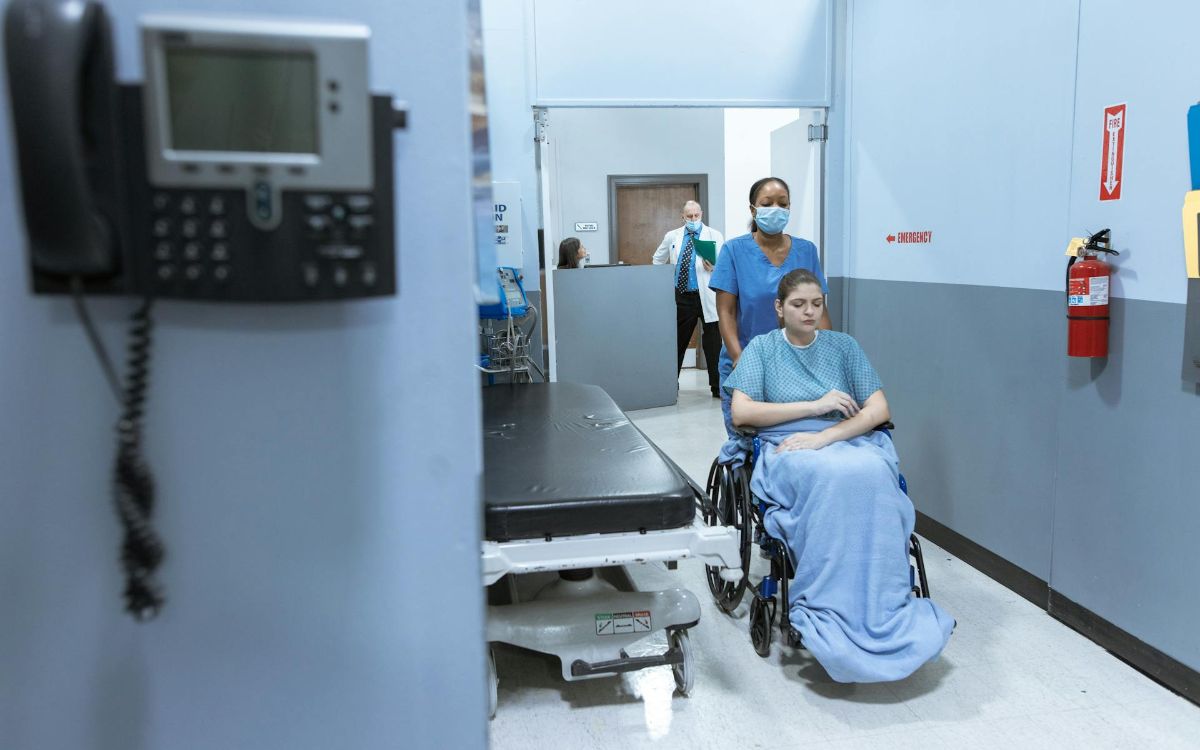
A spinal cord injury can change a person’s life in an instant, affecting mobility, independence, and overall health. In the moments after a serious accident, victims and their families are often overwhelmed by medical decisions, emotional stress, and uncertainty about the future. This is also when guidance from a spinal cord injury lawyer can become important as victims begin to understand their legal options. Beyond the immediate medical crisis, these injuries often require long-term treatment, rehabilitation, and financial planning. Understanding the medical challenges, ongoing care needs, and legal rights involved can help families make more informed decisions moving forward.
Understanding the Role of the Spinal Cord
The spinal cord acts as the main communication pathway between the brain and the rest of the body. It sends signals that control movement, sensation, and many automatic body functions such as breathing and bladder control. When the spinal cord is damaged, these signals can be disrupted, which may lead to loss of movement, feeling, or both in different parts of the body.
Common Causes of Spinal Cord Injuries
Spinal cord injuries can happen in many different situations, but they are often linked to sudden and traumatic events. In many cases, these incidents could have been prevented if proper safety measures or responsible behavior had been in place.
Motor Vehicle Accidents
Car, motorcycle, and truck accidents are among the most common causes of spinal cord injuries. The strong force created during a collision can damage the spine or compress the spinal cord, which may lead to partial or complete paralysis.
Slip and Fall Accidents
Falls can cause serious spinal injuries, especially when someone lands on their back or neck. These incidents often occur because of unsafe conditions such as wet floors, uneven surfaces, poor lighting, or missing handrails.
Workplace Incidents
Certain jobs, particularly in construction, manufacturing, and transportation, expose workers to higher risks of severe injuries. Falls from heights, heavy machinery accidents, and falling objects can all result in trauma to the spinal cord.
Sports Injuries
Contact sports and high-impact activities can sometimes lead to spinal cord damage. Improper technique, lack of protective equipment, or unexpected collisions can increase the risk of serious injury.
Violent Acts or Trauma
Acts of violence, including gunshot wounds or physical assaults, can also cause spinal cord injuries. These traumatic events often result in sudden and severe damage that requires immediate medical attention and long-term care.
Immediate Medical Challenges After a Spinal Cord Injury
The first hours and days after a spinal cord injury are critical and often focused on stabilizing the patient and preventing further damage. Doctors may need to perform emergency procedures, monitor breathing, and address swelling around the spine. During this time, patients and their families are also beginning to process the seriousness of the injury and what recovery might look like.
Long-Term Physical Effects of Spinal Cord Injuries
Spinal cord injuries often lead to lasting physical changes that can affect nearly every part of a person’s daily life. The severity of these effects usually depends on the location and extent of the damage to the spinal cord.
Paralysis and Limited Mobility
Many people with spinal cord injuries experience some degree of paralysis. This may affect the legs, arms, or both, making it difficult or impossible to walk or perform everyday tasks without assistance.
Chronic Pain and Nerve Damage
Nerve damage can lead to persistent pain that may continue long after the initial injury. Some individuals also experience burning, tingling, or shooting sensations that can make daily activities uncomfortable.
Loss of Bladder or Bowel Control
Damage to the spinal cord can interfere with the nerves that control bladder and bowel function. As a result, individuals may need medical support, scheduled routines, or assistive devices to manage these functions.
Changes in Circulation and Muscle Strength
Limited movement can affect blood circulation and muscle health over time. Muscles may weaken or shrink without regular use, which is why ongoing therapy and exercise are often recommended.
Impact on Daily Independence
Many spinal cord injury survivors need to adjust how they perform routine activities such as dressing, bathing, or preparing meals. With rehabilitation and assistive technology, some individuals regain a level of independence, but daily life may still look very different from before the injury.
The Emotional and Psychological Impact
A spinal cord injury can bring significant emotional challenges as individuals adjust to major changes in their daily lives. Many people experience feelings of frustration, anxiety, or depression while learning to cope with new physical limitations and long recovery periods. Support from family, counseling, and peer groups can make a meaningful difference in helping individuals rebuild confidence and maintain a positive outlook.
Long-Term Care and Rehabilitation Needs
Recovering from a spinal cord injury often requires ongoing care that extends well beyond the initial hospital stay. Many individuals rely on a combination of therapies, medical support, and lifestyle adjustments to maintain their health and improve their quality of life.
Physical Therapy
Physical therapy plays a key role in helping individuals maintain strength, flexibility, and mobility. Therapists work with patients to improve movement, prevent muscle loss, and support overall physical health.
Occupational Therapy
Occupational therapy focuses on helping people regain the ability to perform everyday tasks. This may include learning new ways to dress, cook, work, or manage household activities after an injury.
Assistive Devices and Mobility Equipment
Many people with spinal cord injuries rely on equipment such as wheelchairs, braces, or specialized mobility aids. These devices help individuals move more safely and maintain greater independence in daily life.
Home Modifications and Accessibility Improvements
Homes may need to be modified to make them easier and safer to navigate. Common changes include installing ramps, widening doorways, and adding accessible bathrooms or stair lifts.
Ongoing Medical Care and Monitoring
Spinal cord injuries often require long-term medical supervision to manage complications and monitor overall health. Regular checkups help doctors address issues such as pressure sores, infections, and circulation problems.
Support from Caregivers and Rehabilitation Specialists
For their everyday needs, a lot of people have to depend on their relatives, caregivers, or professionals who are well-trained. Besides, one might also consider turning to rehabilitation experts who not only understand the process but can also be a source of motivation and provide concrete ways to work towards a sustained recovery and self-reliance.
Conclusion
Spinal cord injuries affect far more than physical health. They can reshape daily life, relationships, and long-term plans for both victims and their families. In many cases, speaking with a spinal cord injury lawyer can help individuals understand their rights and pursue the support they need to move forward.