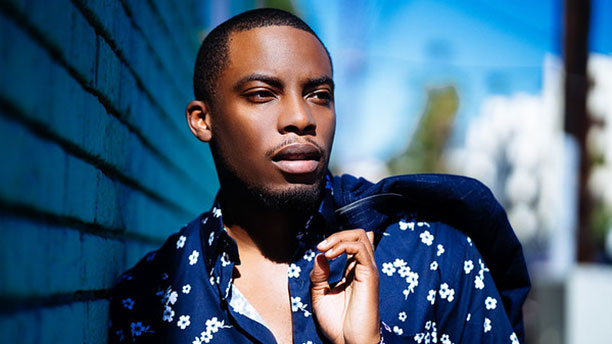
James Artissen moves like someone who learned early that music isn’t just made — it’s built. Born James Allen Worthy in Queens and now operating out of Atlanta’s creative engine, he sits at the intersection of Progressive R&B, pop, and modern sonic design, where emotion meets precision and nothing is accidental. Before he was ever center stage, he was already shaping records from behind the boards, treating sound like architecture rather than decoration.
That foundation led to work with artists like Justin Bieber, Katy Perry, Meek Mill, and Wiz Khalifa — not as a highlight reel, but as a training ground in control, timing, and emotional impact. A pivotal early industry encounter tied to Michael Jackson’s creative influence pushed him deeper into music at just 16, locking in a mindset that would define everything after: build it right, or don’t build it at all.
When he stepped forward as a solo artist in 2017, it wasn’t reinvention — it was revelation. Projects like Blu Leisure, Kaleidoscopes, and The Art Dealer expanded his sound into a cinematic blend of nostalgia and forward motion, while collaborations with names like Big Gipp, Tony Terry, and Whodini reinforced his range without diluting his identity.
Now leading Humble Sound Records in partnership with The Orchard [Sony], Artissen has shifted from creator to curator. He builds space for artists to exist fully, not partially. With recent releases like “What You Tryna Do” and “Just Another Day,” he is not just making records. He is shaping direction, sound, and structure all at once.
Parlé Mag: When did you first realize you weren’t just making music, but building a full creative identity across production, songwriting, and artistry?
James Artissen: I realized it when people started coming to me not just for beats or records, but for direction. Early on, I understood that music was bigger than just sound — it was image, storytelling, emotion, energy, and vision. I was producing records, writing hooks, helping shape concepts, and naturally becoming part of the entire creative process. At some point, I stopped seeing myself as someone who just worked on songs and started seeing myself as someone building worlds through music. That’s when James Artissen became more than a producer name — it became an identity.
 Parlé Mag: Coming from Queens and breaking into Atlanta’s music scene, what shaped your early mindset about survival and longevity in this industry?
James Artissen: Queens gave me toughness and awareness. Atlanta gave me opportunity and perspective. Growing up in New York teaches you how to move with hunger because nothing is handed to you. When I got to Atlanta, I saw how important relationships, consistency, and adaptability were. The combination of both cities shaped my mindset. I understood early that talent alone doesn’t sustain you. Longevity comes from discipline, evolving with the times, and knowing how to stay valuable in every room you enter.
Parlé Mag: Working with artists like Justin Bieber, Meek Mill, and Katy Perry, what did those sessions teach you about adapting across different worlds of music?
James Artissen: Those experiences taught me that great music always comes down to honesty and emotion, no matter the genre. Every artist operates differently, so I learned how to adjust my approach without losing my creative identity. Working with somebody like Justin Bieber showed me the importance of melody and global appeal. Meek Mill brought intensity, authenticity, and raw energy. Katy Perry’s world highlighted the scale of pop records and the importance of memorable songwriting. Being around those different environments sharpened my ability to translate emotion across genres while still making records feel human.
Parlé Mag: How has being Grammy-nominated and working across genres influenced the way you approach sound and creative direction today?
James Artissen: It pushed me to think beyond categories. Once you work across multiple genres and receive recognition at that level, you stop creating from a limited mindset. I focus more on feeling, texture, and intention now. I’m less interested in fitting into one lane and more interested in building timeless records that connect emotionally. Genre blending became natural for me because life itself isn’t one-dimensional. The creative direction always starts with the story first, then the sound follows.
Parlé Mag: What did your formal training in audio production at The Art Institute of Atlanta add to your creative process as an artist and producer?
James Artissen: It gave me technical discipline. A lot of creatives rely on instinct, which is important, but understanding sound from an engineering and production standpoint gave me another level of control. I learned how frequencies affect emotion, how arrangements create tension, and how to build records that translate across different environments. That education helped me bridge creativity with precision. It allowed me to execute ideas at a higher level instead of depending on somebody else to complete the vision.
Parlé Mag: At what point did you shift from being behind the scenes to fully stepping into your own voice as James Artissen?
James Artissen: The shift happened when I realized I had my own stories to tell. For years, I helped shape other artists’ visions, but I reached a point where my experiences, emotions, and perspectives needed a direct outlet. I didn’t want to just contribute to culture from the background anymore — I wanted to speak through it. Becoming James Artissen as an artist was about ownership, vulnerability, and fully stepping into my creative identity without hiding behind credits.
Parlé Mag: What does the idea of “creative architecture” mean to you when building records, projects, and artist development?
James Artissen: Creative architecture is about intentional design. Every detail matters — the music, visuals, sequencing, branding, storytelling, even silence. I approach projects the same way an architect approaches a structure. The foundation has to be strong before anything else can stand. I think about emotional flow, how records connect to each other, and how an artist’s identity evolves over time. It’s not just about making songs. It’s about creating experiences that feel cohesive and lasting.
 Parlé Mag: What draws you into collaborations like Gipp N Worthy, and what makes those creative partnerships click?
James Artissen: The best collaborations happen when everybody involved brings authenticity and vision to the table. With something like Gipp N Worthy, there’s mutual respect creatively and culturally. Those collaborations work because nobody is forcing chemistry — it’s built naturally through shared understanding and energy. I’m drawn to artists who know who they are and aren’t afraid to take risks creatively. When the ego disappears and the focus becomes the art, that’s when real collaboration happens. Shout out to Big Gipp.
Parlé Mag: What was the vision behind The Art Dealer EP, and what does that title represent in how you approach music?
James Artissen: The Art Dealer EP represents me treating music like valuable art instead of disposable content. The title reflects the idea of curating experiences, emotions, and stories like an art dealer curates pieces that hold meaning and impact. I wanted the project to feel cinematic, layered, and intentional. It was about presenting records that carried substance while still feeling modern and accessible. The title also speaks to understanding value, not just commercially but creatively and culturally for a mass audience. Bigg Baggz and I both relate to that.
Parlé Mag: How did you shape the sound of The Art Dealer to balance R&B, hip-hop, and street storytelling in one cohesive project?
James Artissen: I focused on emotional consistency more than genre consistency. The project blends R&B melodies, hip-hop rhythm, and street narratives because that reflects real life and my experiences. I didn’t want the transitions to feel forced, so I built everything around mood and storytelling. Sonically, I focused on textures, pacing, and atmosphere so each record could stand on its own while still fitting the bigger picture. The goal was for listeners to feel like they were moving through one complete experience, not a collection of random records.
Parlé Mag: What keeps you committed to the long game in music, where legacy is built session by session rather than overnight moments?
James Artissen: I understand that real impact takes time. Trends come and go, but legacy is built through consistency, relationships, and body of work. I’ve seen enough to know overnight success is rarely sustainable without foundation. What keeps me motivated is growth — creatively, personally, and spiritually. Every session is an opportunity to sharpen the craft and leave something meaningful behind. I’m more interested in building something timeless than chasing temporary attention.
 Parlé Mag: Looking at your journey from Queens to now, what does this current chapter as James Artissen represent for you?
James Artissen: This chapter represents alignment. Everything I’ve experienced has led me here: the struggles, the wins, the lessons, and the collaborations. I now fully understand who I am creatively. I’m moving with more purpose now. There’s clarity in the vision, confidence in the sound, and intention behind everything I create. James Artissen today represents evolution, ownership, and the willingness to build something that lasts beyond the moment.
Stay Connected with James Artissen
Official website: James Artissen
Instagram: @jamesartissen
Facebook: @jamesartissenmusic