Key Takeaways:
- Vinyl records offer a unique, tactile listening experience that digital formats can’t replicate.
- Sales of vinyl records have been steadily increasing, with Gen Z leading the resurgence.
- Vinyl’s superior sound quality and collectible nature contribute to its enduring popularity.
In an era where streaming services and digital downloads have made music more accessible than ever, the appeal of vinyl records is remarkable. Vinyl offers an immersive experience that can’t be found in digital formats, capturing the attention of both long-time enthusiasts and a new wave of listeners. If you have ever wondered what it feels like to make your own record, or why vinyl continues to thrive in the digital age, the answers lie in a blend of nostalgia, sound quality, and a desire for connection.
Despite the convenience and portability of MP3s and Spotify playlists, the ritual and physicality of vinyl have created a gathering point for music lovers. This isn’t just a retro trend, it’s a movement grounded in a search for something real in an increasingly virtual world.
The Resurgence of Vinyl
The comeback of vinyl has been nothing short of extraordinary. According to data from the Recording Industry Association of America, US vinyl sales exceeded $1 billion in 2025 for the first time since 1983, marking the nineteenth year in a row that vinyl has seen growth. This resurgence is not just about nostalgia. It highlights a renewed appreciation for analog sound and album artwork. The New York Times notes that vinyl is outpacing CDs and becoming a preferred format for artists to release special editions and for collectors to discover new music.
This rise suggests that audiences are seeking deeper experiences from their music consumption, preferring substance and tangibility over the fleeting nature of digital files. The result is a vibrant marketplace for new releases and vintage finds alike, where record stores and indie labels are flourishing once more.
Why Vinyl Appeals to Gen Z
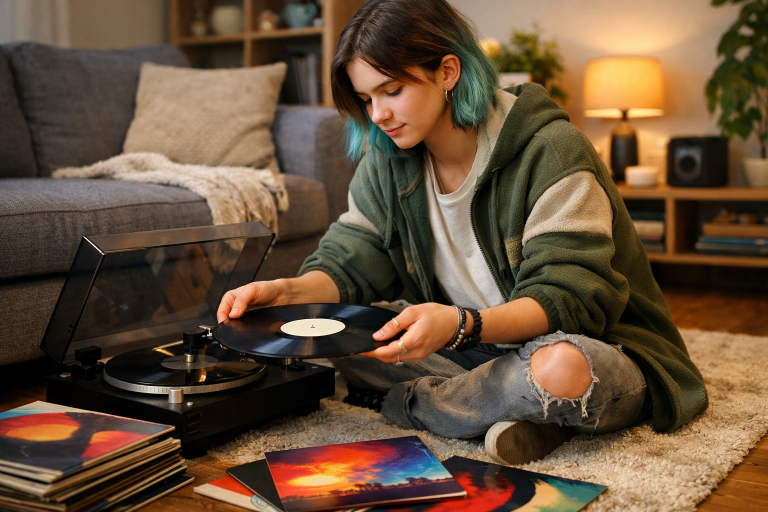
One of the most surprising drivers behind vinyl’s resurgence is Gen Z. According to a report from the Vinyl Alliance, 76% of Gen Z vinyl fans purchase records at least once a month, and 80% own a record player. For a generation raised on smartphones and cloud services, tangible experiences hold a special allure. Vinyl records offer a break from screens and digital distractions, giving Gen Z listeners a way to slow down and savor the music.
This demographic also values authenticity and individuality. Choosing an album, handling the sleeve, and listening to a record from start to finish is about more than just the music; it’s an intentional act in a world dominated by shuffle buttons and algorithm-driven recommendations.
Sound Quality and Listening Experience
One key reason vinyl remains popular is its rich, analog sound. Unlike digital tracks, which are compressed to save on file size, vinyl captures the full range of the original recording. This results in a warmer, more detailed sound with greater depth and dynamic range. Many vinyl enthusiasts argue that this creates a more authentic listening experience, drawing listeners into the music in ways digital files simply cannot.
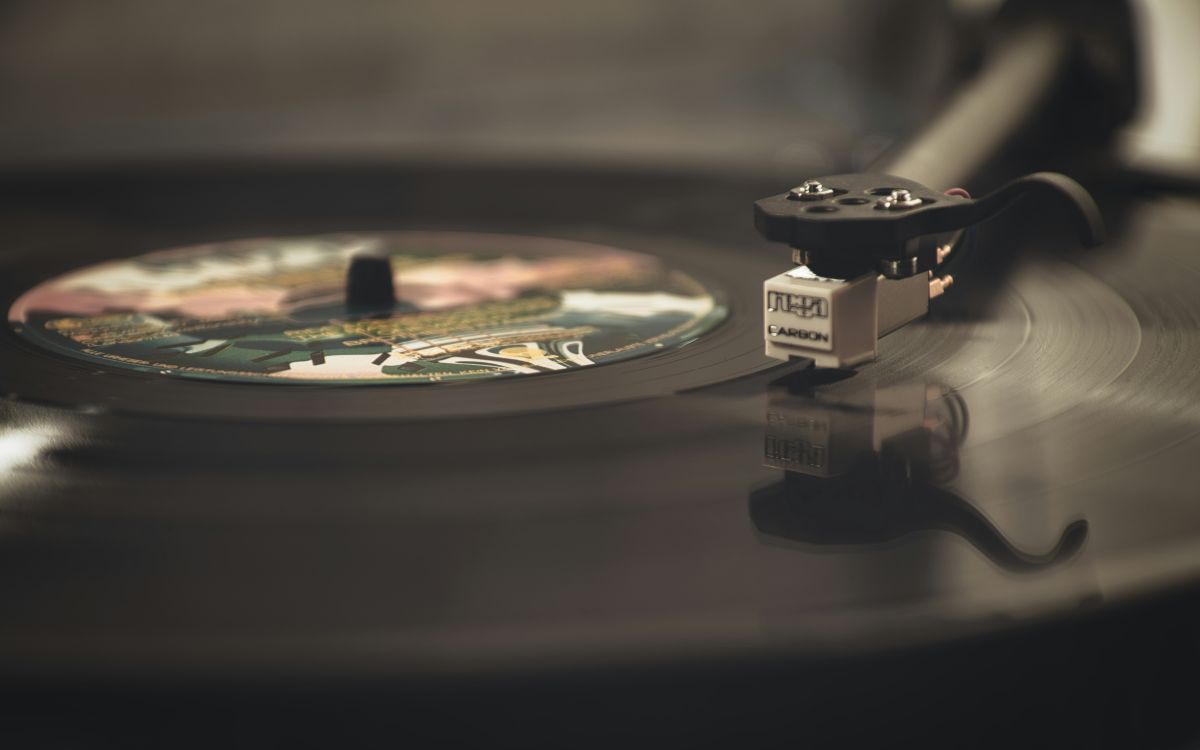
The ritual of listening to vinyl, from cleaning the record to dropping the needle, is itself an experience. It encourages intentional, focused listening, often shared among friends and family. For many, this is far more satisfying than background streaming or playlist hopping.
Collectibility and Physicality
Part of vinyl’s enduring appeal is its physical presence. Albums are works of art, with large covers, gatefold sleeves, and liner notes that invite closer inspection. Owning a physical record is vastly different from owning a digital song. Each album becomes a cherished item, a piece of history, and often, a conversation starter.
Collecting vinyl is a passion shared by people of all ages. Limited editions, colored vinyl, and special releases add layers of intrigue, making the hunt for rare records a rewarding pursuit. Beyond the music, the tactile experience of handling records fosters a personal connection with the album, deepening appreciation for both the artist and their work.
Vinyl in the Modern Music Industry
The music industry has adapted to vinyl’s revived popularity by reissuing classics and pressing new albums on vinyl. Both major and independent labels recognize that fans are willing to invest in albums presented as collectibles. Artists across genres now offer exclusive editions and bonus content for vinyl buyers, enhancing the sense of ownership and personal investment.
This resurgence has also fueled a renaissance for independent record stores. These shops serve as community hubs for music enthusiasts, supporting not only record sales but also live events, signings, and listening parties that deepen the bond between artists and fans.
Challenges and Considerations
Despite its resurgence, vinyl is not without challenges. The process of manufacturing records is resource-intensive, and the sharp increase in demand has created supply chain issues, resulting in production delays and higher costs for both consumers and artists. There is also the matter of audio quality; some new records, particularly those mastered from digital sources or affected by the “loudness war,” may not live up to the expected sonic standards of vinyl.
Buyers should do their research and be discerning when investing in new pressings. Supporting reputable labels and stores helps ensure higher quality and authenticity in the vinyl buying experience.
Conclusion
The return of vinyl records is more than a passing trend; it is a collective movement toward authentic, immersive music experiences in a digital world. Bridging generations and forging personal connections between listeners and music, vinyl continues to thrive as both a superior audio medium and a cherished collectible. This resurgence proves that sometimes, the most meaningful ways to enjoy music come from embracing the physical, tactile, and analog elements of our past.