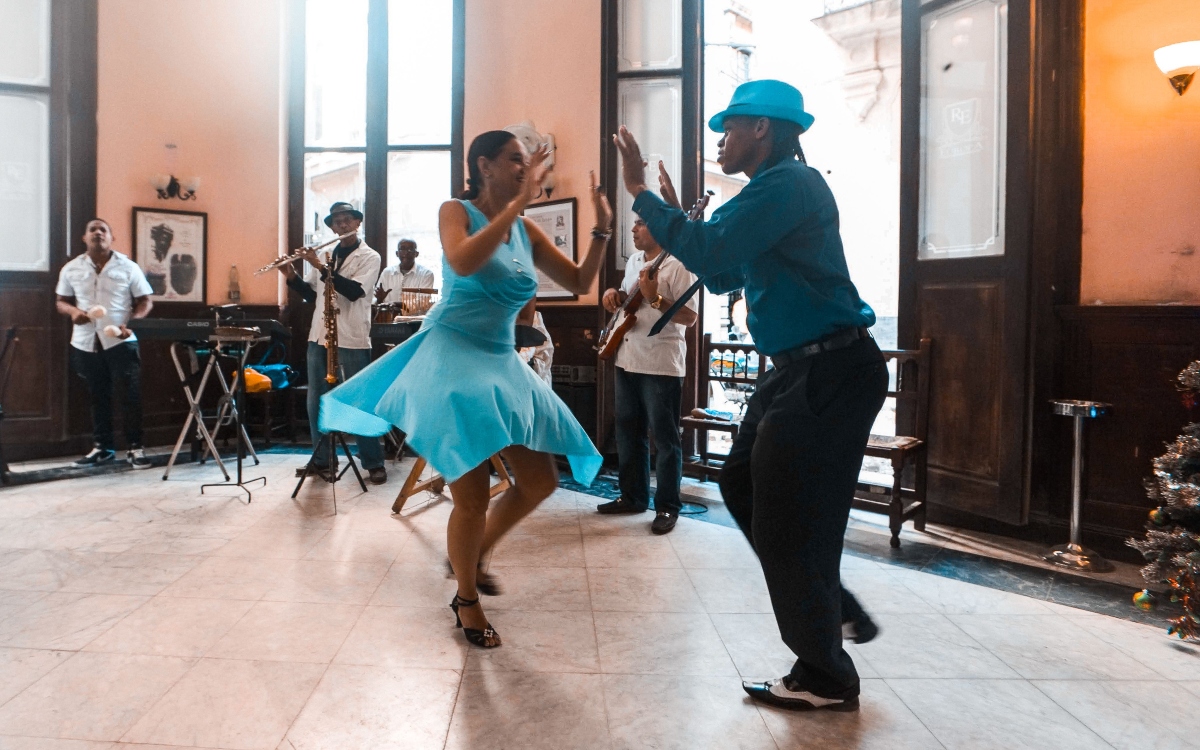
In a city as active and varied as New York City, social dancing offers a refreshing way to step out of routine and into a shared experience. Whether you are looking for bachata classes NYC, a salsa lesson, a swing event, or a relaxed group practice, dance can give you a reason to move, listen, and meet people without needing to be an experienced performer.
For many New Yorkers, a dance class can become a welcome break from crowded commutes, long workdays, screens, and solo workouts. The goal is not to look perfect. It is about learning a few steps, staying present with the music, and becoming more comfortable participating over time.
What Makes Social Dance Different?
Social dance is movement shared with other people, often through partner dancing, group instruction, rotating partners, or open dance events. Unlike exercising alone, it asks you to notice rhythm, spacing, timing, and another person’s comfort. A basic pattern becomes a small conversation: one dancer offers information through movement, and the other responds. That shared focus is part of what makes a social dance floor feel different from watching tutorials at home.
Many styles can be adapted to different experience levels, ages, and activity preferences. A beginner does not need advanced flexibility or a performance background. They need a welcoming setting, an appropriate pace, and permission to learn gradually.
How Dance Can Build Confidence
Dance confidence often begins with small, repeatable skills. Learning where to place your weight, finding the beat, and remembering a short sequence can feel manageable when taught in small steps. Progress usually comes from returning regularly, not from getting every detail right on the first try.
Imagine a beginner attending a weekly class in Manhattan or Brooklyn. At first, they may focus only on keeping time. After several sessions, they may recognize a familiar song, complete a basic turn, and feel ready to stay for a social dance. That is meaningful progress. Confidence grows when mistakes become expected parts of practice rather than evidence that someone does not belong.
Why Movement Helps People Connect
Shared rhythm can make cooperation easier because both dancers are responding to the same musical structure. In partner dance, people practice attention, patience, and clear nonverbal communication. A good connection does not depend on force or complicated moves. It depends on being responsive and respectful.
Regular classes can also create natural opportunities for conversation before and after dancing. Research on music and social connection suggests that certain musical conditions may support how people perceive and respond to one another. Dance is not a replacement for professional support when loneliness or mental health concerns are serious, but it can be one constructive way to spend time around others.
Dance, Mood, and Daily Well-Being
A class can create a useful boundary between the demands of the day and personal time. Music, movement, and concentration leave less room to check messages or replay a stressful meeting. Because dancing can feel playful and social, it may be easier for some people to maintain than exercise routines they find repetitive.
Research should still be interpreted carefully. An eight-week salsa program studied by Oxford researchers examined young adults with mild to moderately severe depressive symptoms, but one study does not mean dance can cure depression or anxiety. Anyone managing ongoing mental health symptoms should speak with a qualified health professional.
The Physical Skills Dance Can Develop
Social dancing provides participants with repeated practice in balance, posture, timing, body awareness, and coordination. Dancers shift weight from one foot to the other, change direction, adjust their stride, and respond to musical patterns. Depending on the style and pace, a session may range from gentle movement to a more energetic workout.
Warm up before class, wear clothing that lets you move comfortably, and choose footwear that does not create an unnecessary risk of slipping or tripping. If you have an injury, mobility limitation, or medical concern, ask a health professional what level of activity is appropriate.
How Beginners Can Start Comfortably
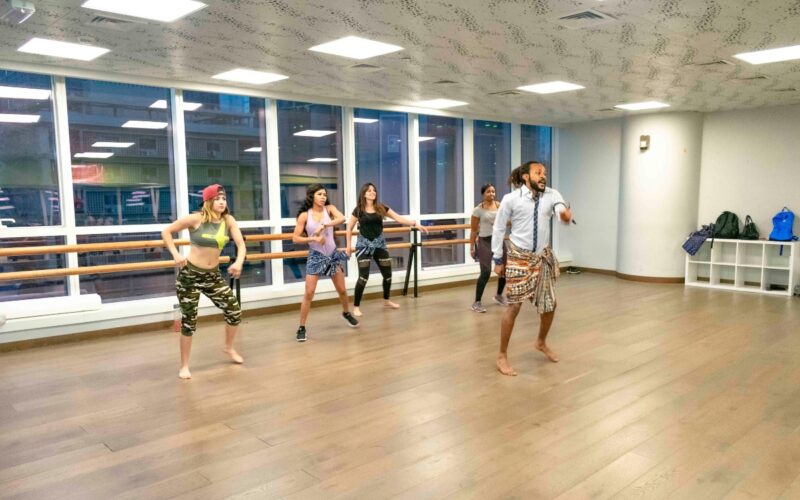
- Choose a class clearly labeled for beginners or first-time dancers.
- Arrive a few minutes early so you can settle in and ask questions.
- Focus on finding the beat and shifting weight before adding style.
- Wear comfortable clothes and supportive footwear.
- Practice one or two basic patterns at home if that feels helpful.
- Expect missed counts, forgotten steps, and occasional confusion.
- Try more than one class before deciding whether a style suits you.
How To Choose the Right Dance Setting
New York City offers many formats, including group classes, private lessons, workshops, and open practice sessions. Group lessons can be a low-pressure introduction, while private lessons may offer more individualized feedback. Workshops are useful for focused learning, and social events give dancers a chance to practice with different people.
Look for clear level descriptions, step-by-step instruction, and a respectful atmosphere. Before committing, consider the location, class size, schedule, cost, accessibility, and whether partners rotate. A good environment makes it acceptable to ask for clarification, take a break, or choose a slower pace.
Simple Social Dance Etiquette
- Ask before inviting someone to dance, and accept “no” graciously.
- Use gentle guidance rather than forceful movement.
- Respect personal space, hygiene, and each partner’s comfort level.
- Adjust your energy and movement size to the available space.
- Thank your partner after the dance.
- Tell an instructor or host if an interaction feels unsafe or uncomfortable.
Common Questions About Social Dancing
Do You Need Experience To Join a Dance Class?
No. Beginner classes are designed to teach foundational steps and timing from the start.
Do You Need To Bring a Partner?
Policies vary. Many social classes welcome solo attendees and rotate partners, while others let friends stay together.
Can Social Dancing Count as Exercise?
It can contribute to physical activity, though the intensity depends on the dance style, pace, class length, and your effort.
What If You Feel Shy?
Arrive early, tell the instructor you are new, stand near other beginners, and set one small goal, such as learning the basic step.
Is Social Dance Suitable for Older Adults?
Many formats can be adapted for mobility, balance, and comfort. Choose an appropriate class and seek medical guidance when needed.
A Simple Step Forward
Social dancing in New York City is not only about performance. It can be a practical way to move, listen, build skills, and share a positive activity with others. Start with one beginner-friendly session, measure progress by consistency and comfort, and let each class be one more step toward feeling at home on the dance floor.