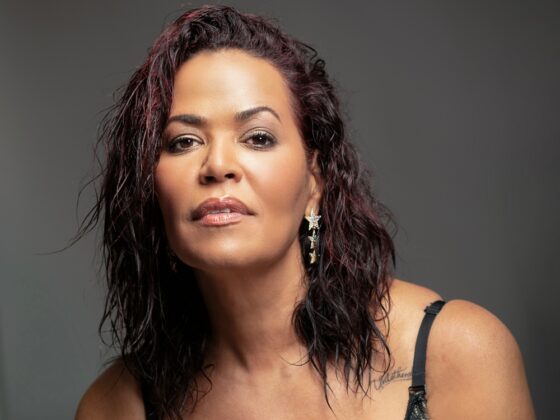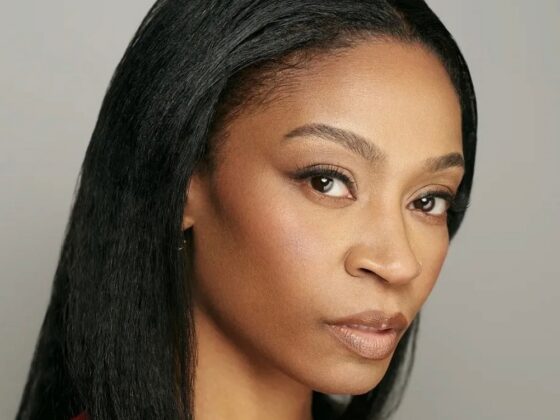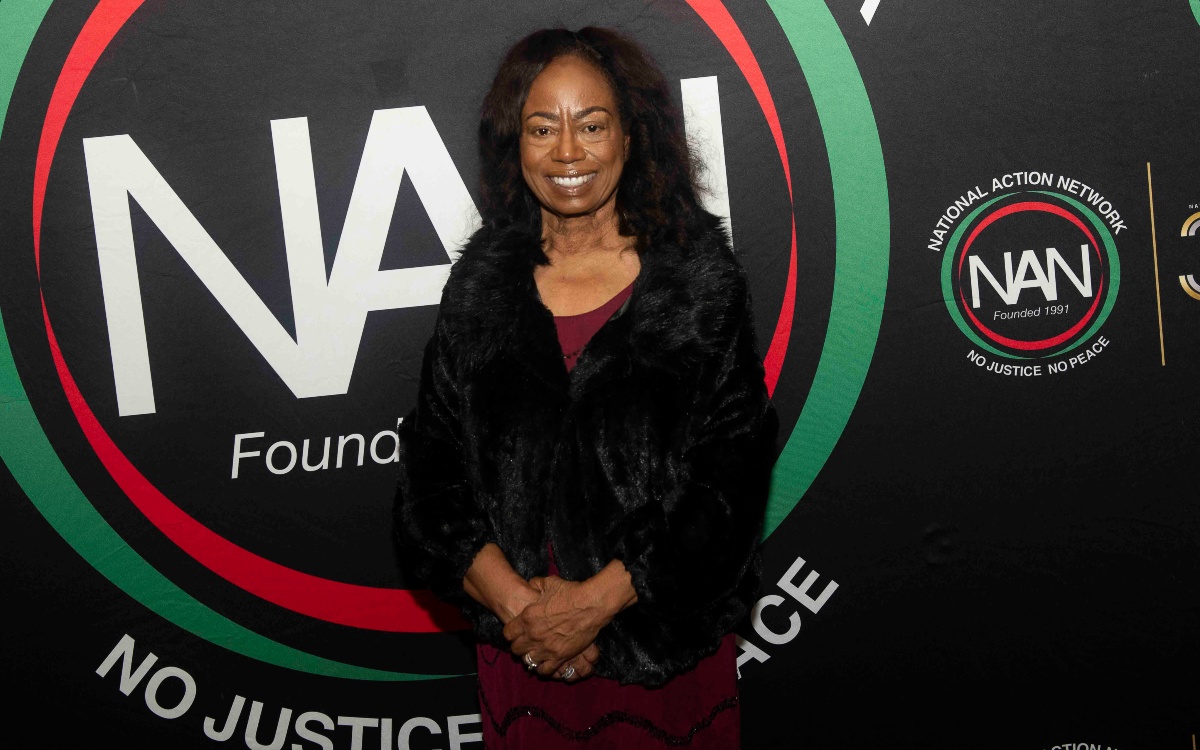
Before the clicks, before the headlines, before the history books — there was Right On! And behind the pages was a woman helping shape the story of Black music and entertainment.
Some people report on history. Others witness it. And then there are those rare individuals who recognize its significance while the rest of the world is still catching up. Cynthia Horner has spent half a century doing all three.
For those of us who grew up with Right On! in our hands, the name brings back a particular kind of nostalgia: the covers, photographs, interviews, posters and the excitement of discovering what our favorite artists were doing next. It was more than a magazine; it was a window into the music, personalities and cultural moments shaping a generation. And behind those pages was a young woman who wasn’t simply covering the culture — she was helping preserve it.
Horner joined Right On! as an editorial assistant in 1976, quickly rising to editorial director and becoming one of the youngest editors of a nationally published magazine. Her gift was recognizing the people and movements deserving of a platform — and understanding that their stories mattered. Michael Jackson, Prince, Janet Jackson, New Edition and countless others became part of the publication’s rich history. Her relationship with Michael Jackson even grew beyond the interview, marked by personal conversations and a connection that gave her a unique perspective on one of entertainment’s greatest icons.
When hip-hop began demanding its place in the larger conversation, Horner was there, too. During an era when the genre was still fighting for mainstream acceptance, she championed Public Enemy, N.W.A., Big Daddy Kane and Biz Markie, recognizing that hip-hop was no passing trend. It was a cultural movement with its own voice, style and history — and it deserved to be documented.
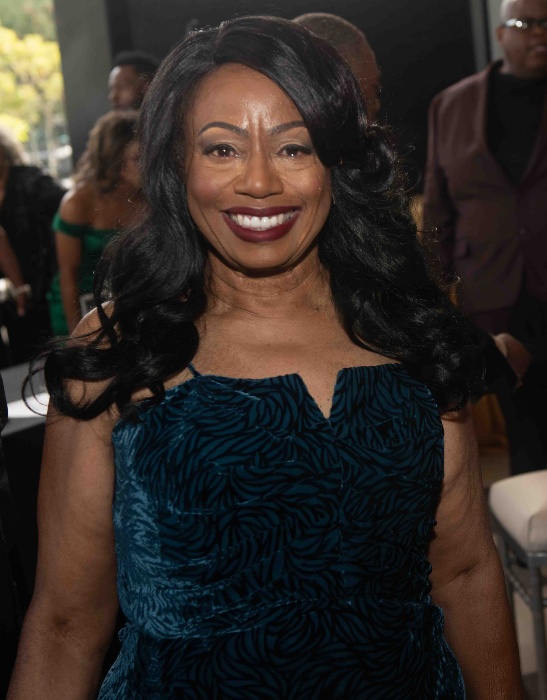
Born in Anderson, Indiana, and raised in California from age five, Horner’s love for writing started early. By 11, she was winning writing contests and editing her school newspaper. She later earned full scholarships to Pepperdine University, graduating from Seaver College before building a career spanning publishing, television, authorship, public relations and journalism advocacy.
Her editorial journey extended beyond Right On! to Word Up! and Hip Hop Weekly, contributing to nearly 600 magazine issues across pop, urban and Latino markets. She co-authored The Magic of Michael Jackson and Real Divas: Living and Loving Out Loud, and shared her expertise as a commentator on VH1, BET, TV One and ABC News.
In 2014, Horner and her husband, photographer Kenneth Harris, purchased Right On! and relaunched the iconic brand as Right On! Digital. Rather than allow an important piece of Black entertainment history to fade, she brought it into a new era, with plans to revive its bimonthly print edition. The mission remains bigger than a masthead: preserve the legacy while making room for the next generation.
That commitment carries into her leadership as president of the New York Association of Black Journalists. First elected in 2024 and re-elected for the 2026–2028 term, Horner continues advocating for Black media professionals, mentorship and career opportunities. She also runs Cinnamon Chips, her public relations and special events company.
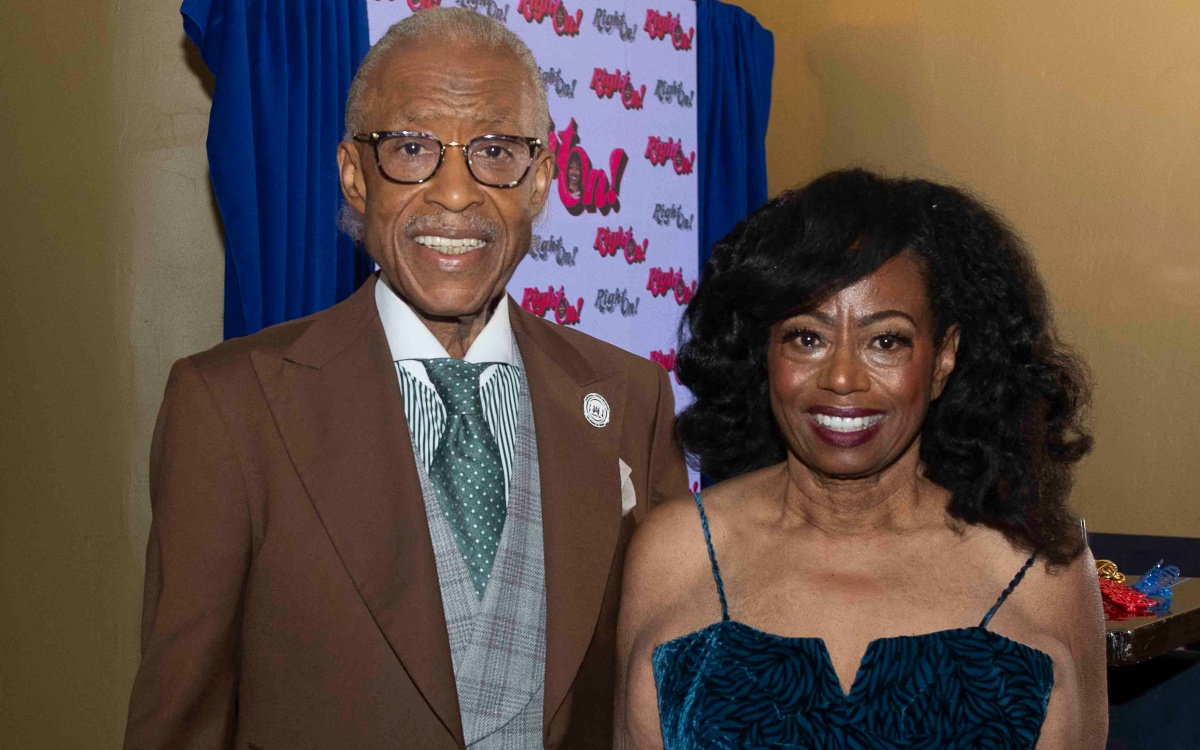
The honors have continued to arrive. In 2025, the Living Legends Foundation presented Horner with its Media Icon Award, recognizing her enduring contribution to entertainment journalism. Her 50-year milestone in media received further attention in the New York Amsterdam News in October 2026. That same year brought her re-election at NYABJ, recognition among Atelier Magazine’s Atelier 100: Most Influential People of 2026, and the Pink Apple Award for Cultural Impact at the Women Who Influence celebration. NYABJ’s October Sneaker Ball and Awards Ceremony at Harlem’s Alhambra Ballroom, featuring Rev. Al Sharpton, added another meaningful moment to a landmark year.
But Horner’s legacy isn’t measured solely by the artists she interviewed, the publications she led or the awards she’s received. It’s also found in the readers she inspired, the journalists she continues to encourage and the cultural history she helped keep alive.
I know because I was one of those readers.
Growing up, Right On! helped fuel my love for music journalism and storytelling. Long before I conducted interviews or wrote features of my own, I was turning those pages, absorbing the stories and imagining where that passion might take me. More than 30 years later, I’m still doing it. That’s why this conversation means more than another name on an interview roster. It’s an opportunity to revisit the history, hear the stories behind the stories and give flowers to someone whose work helped illuminate the path for so many of us.
Fifty years. Nearly 600 magazine issues. Generations of artists. A legacy that stretches from the golden age of print to the digital present. The covers have changed, the cameras have gotten smaller and the way we consume music has transformed, but the importance of telling our stories has never diminished.
Before the clicks, there was a connection. Before the timelines, there were pages worth saving. And before many of us ever imagined becoming storytellers, Cynthia Horner was already showing us what it meant to document the culture.
Fifty years later, she’s still writing the story — and it’s time we turned the page to her.
Parlé Mag: Queen, before we begin, I simply want to say thank you.
As an avid reader of Right On! growing up, you were one of the people who inspired my love for music journalism and storytelling. Long before I conducted interviews or wrote feature stories of my own, I was turning the pages of a publication that helped shape my passion for this craft.
That journey began more than 30 years ago, and I’m still doing it today. For the inspiration, the example and the path you helped illuminate for so many of us, thank you. 🙏
Parlé Mag: Before social media, before blogs, before viral moments, there was Right On! magazine. Looking back, did you realize you were documenting history in real time, or did that understanding come years later?
Cynthia Horner: Thank you for that question. I had absolutely no idea that we were documenting history in real time. I just knew that the stories we shared were important to our fans and to the entertainment industry. There was no way we could predict t;he future. However, I did believe that somehow, someone would want us to remember their contributions, as many were game changers.
Parlé Mag: You interviewed Michael Jackson, Prince, Janet Jackson, New Edition, Beyoncé, Mariah Carey and countless others before many of them became global icons. What was the intangible quality you learned to recognize in future legends before the rest of the world caught on?
Cynthia Horner: Many of these artists were extremely photogenic, personable and had great teams behind them who were able to push their music out to the masses. Their wardrobes consisted of clothing that fans would invariably emulate, and that was what set these soon-to-be idols apart from their peers.
Beyoncé, for example, always had a “look.” Her parents, Mathew and Tina Knowles, made sure Destiny’s Child were on top of their game, front, center and left. New Edition had the dance steps and wardrobe to match their radio-friendly songs. And once they got on Soul Train, they were stars!
Parlé Mag: As a journalist, you’ve spent decades asking the questions. What are some of the most important lessons you’ve learned simply by listening?
Cynthia Horner: I never thought I was the smartest person in the room, even though I am pretty darned smart. A good leader is a good listener. I am actually like an encyclopedia who soaks up knowledge like a sponge.
Parlé Mag: You’ve often been one of the first people to introduce major Black artists to a national audience. Did you ever feel the weight of that responsibility, knowing your platform could help shape how young fans saw themselves and their culture?
Cynthia Horner: That was a heavy responsibility for such a young person, but I carried on with grace. It was a bit scary at times, but I had a few mentors who helped me. Michael Jackson was one of my mentors, as he had been in the business for a good decade before I met him. He went through a lot and was put through the paces by Motown Records. He was able to share a lot of knowledge with me.
Parlé Mag: You’ve had a front-row seat to the evolution of Black music, from the era of print magazines and record stores to streaming platforms and social media. What has been gained—and what has been lost—along the way?
Cynthia Horner: We have gained new platforms through which artists have benefited. But along the way, we lost our ability to have artists trust us and remain open. They are afraid of the media these days, and in some cases, rightfully so. When I first started, artists were more open and more cooperative with some members of the media. Now, there are a lot of handlers, and there is a sense of mistrust.
Parlé Mag: Your career isn’t just about entertainment journalism. It’s also about cultural preservation. When you look at your body of work, do you see yourself more as a reporter, a storyteller or a historian?
Cynthia Horner: I am a storyteller, first and foremost. Of course, I am a reporter and writer, but I feel that I am very descriptive when I write and speak. Of course, I am the ultimate historian, as I am one of the few who began in the ’70s and is still here to tell these stories that need to be told.
Parlé Mag: Throughout your career, you’ve interviewed some of the most famous people on the planet. Which conversations stayed with you, not because of the celebrity, but because of the humanity you witnessed?
Cynthia Horner: Michael Jackson was a person who was on a different level from anyone I ever met in my life. He and I had many, many personal conversations about life, the entertainment business, and his hopes and desires. What stuck with me about Michael Jackson was the fact that he was determined to succeed at any cost. One day, he told me that he would sell 100 million albums, and he accomplished his mission. There is no one bigger than Michael Jackson, dead or alive. No one. I am just sorry he is not here with us to experience all of his wins.
Parlé Mag: As a young Black woman, you became the youngest editor of a nationally published magazine. What barriers did you face that today’s generation may never fully appreciate?
Cynthia Horner: When I got started, I was a rarity. People don’t know what I went through. A lot of adults did not appreciate my wisdom and tried to second-guess me. Angie Stone once said that I took hits so that others could succeed. It wasn’t easy, especially since I edited a magazine that was for the African American audience, and our competitors were at mainstream outlets with big budgets.
Still, I prevailed and never gave up, never complained or said, “I can’t do this.” And I am still doing it with www.rightondigital.com!
Parlé Mag: You’ve spent decades helping artists tell their stories. In your opinion, what separates a celebrity from a true cultural icon whose influence lasts for generations?
Cynthia Horner: Everybody tosses around the term “icon.” It is loosely used. What is an icon? I am an icon. Michael and Janet Jackson—icons. A celebrity is someone who may be here for a certain period of time, but an icon is forever. An icon exemplifies true and rare qualities that will stand the test of time. A celebrity may only be here for a minute. Poof! A celebrity can vanish into thin air.
Parlé Mag: Through your work with Right On!, Hip Hop Weekly, NYABJ and numerous nonprofit organizations, you’ve consistently poured into the next generation. Why has mentorship remained such an important part of your mission?
Cynthia Horner: People need mentorship; there is no blue book, no blueprint. That is why we have to help each other. Also, we are living in dangerous times. There has been an effort to obliterate what we have set out to create. That won’t happen, not on my watch!
Parlé Mag: When people talk about the golden eras of Black music and entertainment, your name is woven into that story. What do you hope future journalists understand about the responsibility that comes with documenting culture?
Cynthia Horner: People have to understand it’s not about clicks; it’s about clicking with people! My name is in history because I made it my business to be the best at what I sought out to be.
Parlé Mag: You’ve helped tell the stories of so many legendary people. When Cynthia Horner’s story reaches future generations, what do you hope they will remember most about the legacy you leave behind?
Cynthia Horner: I hope that people understand that I was a role model, that I was ethical, and that I made sure I was always someone people would admire. I wish there were more Cynthia Horners, but honestly, I haven’t actually met any. I have met people who have followed in my footsteps, but I am unique. My uniqueness is my pride and joy.
I remain humble and prayerful, giving back to the community in ways that are unparalleled. My charitable endeavors may surprise you. Beyond providing clothing and food, I often pay for people’s groceries and movie theater refreshments without expecting anything in return.
I protect celebrities when they make missteps during interviews and never betray their confidences. My late father, Lawrence Horner, raised me well, and my mother, Betty Horner, continues to guide me. I strive to live an exemplary life. Although I am not perfect, if I ever had a daughter, I would have wanted her to be just like me.