Starting your own online radio station is more accessible than ever and empowers anyone to broadcast their passions to a worldwide audience. Whether your interests are rooted in music, talk shows, news, interviews, or a unique mix, an internet radio station offers an unparalleled opportunity to cultivate a global community and share your voice. For an actionable, comprehensive overview, check out this guide on how to start a radio station online, which details every step, from conception to promotion, so that you can embark on your journey with clarity and confidence.
Pursuing this endeavor involves more than just streaming music. It’s about developing a station identity, ensuring legal compliance, curating engaging content, and strategically promoting your station to grow a loyal listener base. With the right approach, even independent creators can break into the world of broadcasting and make a meaningful impact.
Define Your Concept
The cornerstone of every successful online radio station is a well-defined concept. Decide on your target audience—be it fans of indie music, jazz aficionados, podcast lovers, or people interested in local news. Get specific with your theme or niche. Clarifying your station’s identity not only attracts your ideal listeners but also sets expectations for your show lineup, presentation style, and marketing approach. Investing time at this stage streamlines later decisions and helps set you apart in a crowded internet landscape.
Acquire Necessary Equipment
Sound quality is a crucial factor for retaining listeners and establishing professionalism. While you don’t need high-end studio equipment to start, you should invest in essentials that will enhance your broadcasts:
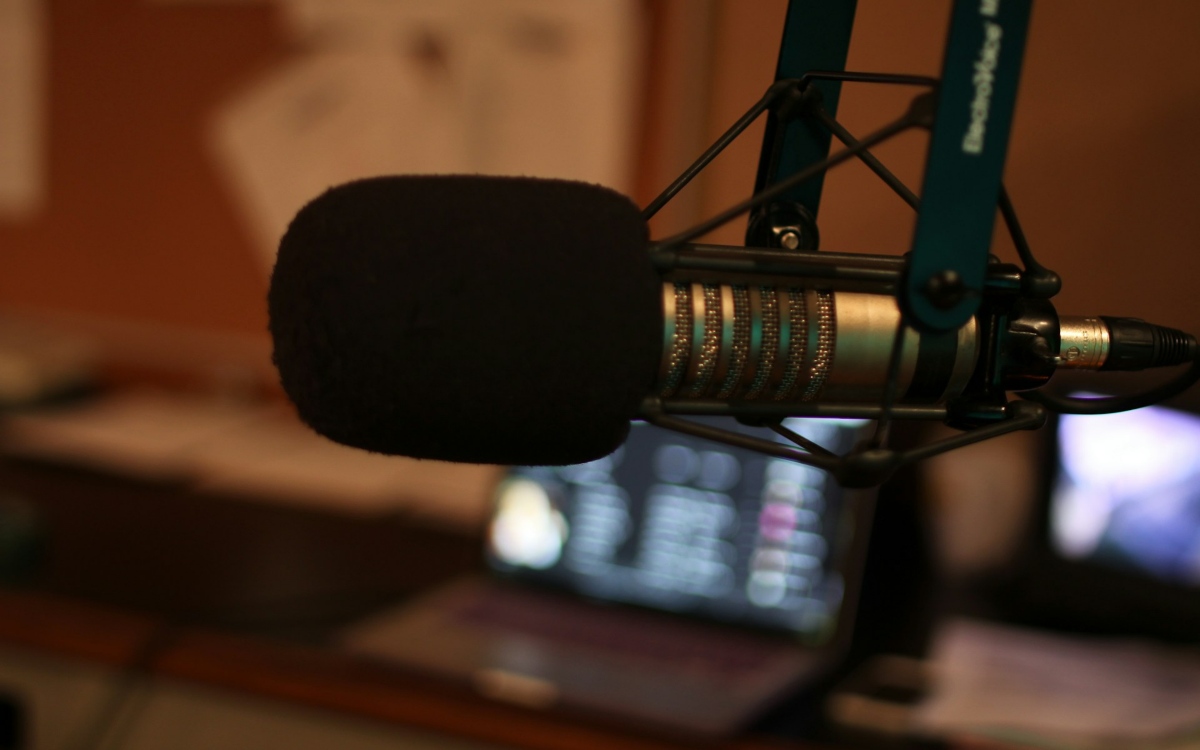
- Microphone: A USB or XLR condenser microphone provides clear and natural sound.
- Headphones: Closed-back headphones reduce audio bleed and help monitor your output.
- Audio Mixer: Mixers allow for real-time adjustments, seamless guest integration, and more.
- Computer: A reliable computer with a robust internet connection is non-negotiable for stable streaming.
A modest initial investment yields big improvements in broadcast quality, making your station more appealing from the outset. For deeper tips on equipment choices and affordable setups, reputable resources like Sound On Sound offer valuable insights.
Choose a Streaming Platform
The right streaming platform underpins your station’s success. Popular options include:
- Live365: This all-in-one solution simplifies operations and covers music licensing for many regions. Plans start at $59/month.
- Shoutcast: A flexible option offering both free and premium plans, suitable for hosting on your own server or theirs.
- Radio.co: Known for intuitive scheduling, engagement tools, and reliable uptime, with plans from $49/month.
Prioritize platforms based on ease of use, support, licensing packages, analytics, and scalability—reference comparison reviews from large tech publishers like TechRadar for a broader perspective on current streaming software options.
Obtain Music Licenses
Broadcasting music online requires adherence to copyright and licensing regulations. Neglecting licensing can lead to takedown notices or legal fines. Some platforms, such as Live365, bundle licensing with their plans, while others require contacting collecting societies (BMI, ASCAP, PRS, etc.) on your own. The easier you make this process, the more time you’ll have to focus on content creation and community engagement. For global reach, review the guidelines provided by organizations like IFPI to understand worldwide requirements.
Set Up Broadcasting Software
Broadcasting software translates your audio into a stream for listeners. Two popular choices among independent broadcasters are:
- Mixxx: Free and open-source, Mixxx is a favorite for live DJing, playlist management, and automated shows. Its versatility makes it accessible for beginners and pros alike.
- BUTT (Broadcast Using This Tool): A lightweight encoder ideal for live streaming, perfect for talk shows or music programs. Its simplicity speeds up the learning curve for new broadcasters.
Installation is typically straightforward, but be sure to fine-tune settings for optimal bitrates and audio quality. Test your stream before going live to troubleshoot any issues.
Create a Website and Social Media Presence
A dedicated website serves as the digital home for your station. Use it to communicate your show schedule, introduce hosts, publish news, and embed your live stream player. Consider offering an archive of past shows and integrating listener feedback forms or chat rooms to boost engagement. In parallel, actively manage social media accounts (Facebook, Twitter/X, Instagram, and TikTok) to share behind-the-scenes content, announce programming, and interact directly with your audience—crucial for building a loyal community.
Plan Your Content
Consistent, high-quality content is the recipe for audience retention and growth. Create a programming schedule with a balance of live shows, DJ sessions, interviews, and automated playlists. Vary formats and slot in guest mixes or themed hours to keep content fresh. Planning not only ensures regularity but also allows for promotional lead time, increasing anticipation and listener turnout.
Promote Your Station
Promotion is where your station truly begins to grow. Employ a multi-channel approach:
- Invest in targeted social media ads to reach new demographics.
- Collaborate with fellow broadcasters and influencers to cross-promote content.
- Engage in your community—host virtual events, run interactive giveaways, or participate in online forums centered around your niche.
- Submit your station to radio directories like TuneIn for added visibility.
Continually measure your reach and audience feedback, adjusting your programming and promotion strategies as needed for growth.
Building a successful online radio station takes careful planning, focused investment, and ongoing engagement. With the right vision and tools, anyone can amplify their voice and create a compelling platform that reaches listeners worldwide.
Conclusion
Creating an online radio station is an exciting and empowering process that has become more accessible than ever. By following a structured approach—from defining a clear concept and acquiring the right equipment to securing licenses and promoting your content—you can turn your passion into a thriving broadcasting platform. The key to long-term success lies in consistently producing high-quality content and engaging proactively with your audience. With the right tools and a clear vision, you can build a loyal community of listeners and make a meaningful impact in the world of online broadcasting.
Image Credit: Jacob Hodgson on Unsplash