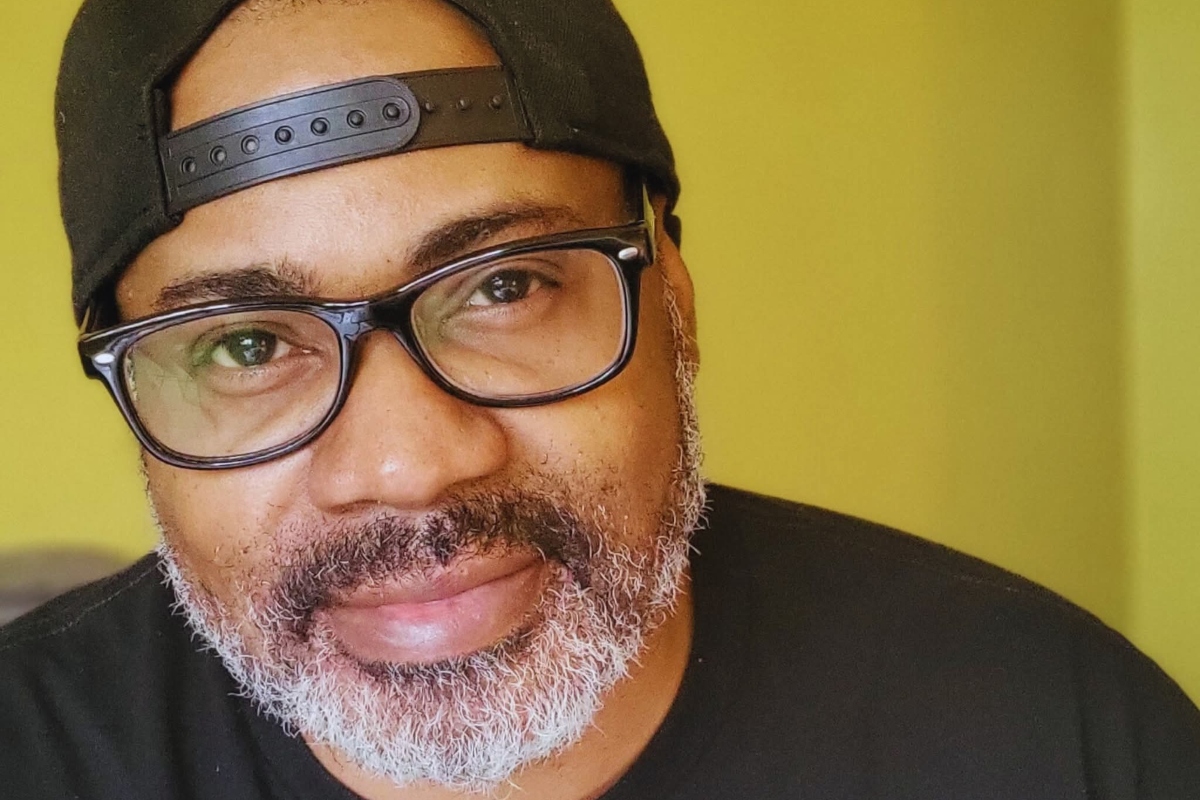
Some stories in R&B history are told through the voices out front. Others are found in the harmonies, the arrangements, the songwriting and the creative minds who helped make the magic happen. Tim Byrd’s story belongs in that second conversation—and it’s one worth revisiting.
Long before Byrdman Pro, sync placements and composing for the screen, there was a young musician in Newport News, Virginia, with an ear for everything from Motown and Michael Jackson to Guy, Keith Sweat and Teddy Riley. What began as a childhood fascination with records and a knack for recreating what he heard eventually grew into a creative partnership that would put him right in the middle of a memorable chapter in ’90s R&B.
From the early days of Sudden Impact to Whytegize and Outsiderz 4 Life, Byrd played a much bigger role than his behind-the-scenes presence suggested. He wrote, produced, shaped arrangements and developed harmonies. He also helped define the group’s musical identity. His connection to Michael Bivins, BIV10 Records and the East Coast Family placed him within a pivotal era in R&B and Hip-Hop. Throughout the group’s changing names and industry chapters, Byrd remained an important part of its musical journey.
Today, Byrd proudly embraces his place as the group’s sixth member while building a new path through Byrdman Pro. He composes and produces music for television and film. Although his career has taken new turns, his creative spark remains unchanged. It all started with three Jackson family albums and a little record player.
This is a story of brotherhood, ambition and the creative minds behind the music. It’s also about the people whose contributions deserve recognition beyond the liner notes. Tim Byrd was there from the beginning. Now, he’s sharing his story in his own words and ensuring the sixth member finally gets his place in the spotlight.
Before the Byrdman
Parlé Mag: Before the records, the groups and the industry connections, there was a young Tim Byrd discovering his relationship with music. What first drew you into songwriting and production, and when did you realize you wanted to help create the sound—not just perform it?
Tim Byrd: It started when I was five. My parents bought me three albums: Dancing Machine by The Jackson 5, Music & Me by a young Michael Jackson, and Jermaine Jackson’s solo album, Jermaine. With the little record player I had in my room, I would listen and listen, study and study, then mimic everything I heard vocally. That’s how I learned how to sing. Watching The Jacksons on Soul Train taught me how to dance.
At seven, I started picking apart the instruments in every song I heard, even though I wasn’t thinking about making music yet. By 11 or 12, Hip-Hop had caught my attention. I experimented with DJing at home using just a turntable and a double-cassette tape machine. I even tried rapping for a while and began creating my own song edits from my parents’ record collection.
From listening to all that music, I figured out how to write poems or lyrics in the format of a song. I fell in love with music production after hearing songs by Guy and Keith Sweat. When I found out that Teddy Riley did all the music himself, I was hooked. A friend let me use his keyboard, and another friend had a drum machine (an Alesis H-16) that he wasn’t using. I got busy. I was 17 or 18. So, I’ve always been involved in music.
Sudden Impact
Parlé Mag: Where It Started: The journey began in the early ’90s with Sudden Impact. What do you remember about those formative days, the people involved and the musical chemistry that first brought the group together?
Tim Byrd: I was already part of a local R&B group called So Suave. Our name was known from Newport News, VA, all the way to Greensboro, NC. We performed at Denbigh High School during an annual talent event called “The Denbigh Jam.” Back then, it was rare for anyone outside the school to own a video camera. However, Todd White had one. He filmed our performance, and a mutual friend took me to his house to meet him and collect a copy of the video.
Todd told me he was starting a singing group because he was a huge fan of New Kids on the Block. A couple of months later, he recruited some of his friends who also went to our high school. These guys were Alan Healy, Aaron Kane, Noel Kane and Dave Smith. They called themselves Too Special. The next time I saw Todd, he already had a poster of his group. I thought it was dope because my group had managers and other people putting those things together for us.
I noticed that Todd had great ideas when it came to writing songs. One night, he called me and said that he and his girlfriend at the time had broken up and he couldn’t get over it. He sang an idea for a song, and I could literally hear, in my head, the music that would go perfectly with it. That’s when Todd and I started writing and producing songs together. Aaron Kane was the lead singer, and the rest of the guys were the backup singers.
During this time, my group and Todd’s group were being sought after by a guy named Cecil Jenkins. He wanted to create a team of singers to record a Virginia National Drug-Free song that he and his wife had written. Missy Elliott and her group at the time, Faze, were also part of it. Cecil got word that Marvin Gaye was receiving a star on the Hollywood Walk of Fame and was invited to attend in 1990. He initially asked my group to go, but we couldn’t make it, so Todd and Alan went instead.
While in California, they would call Todd’s parents’ house to tell us about the celebrities they had met. We were always at Todd’s parents’ house because that’s where we would create and record. By the way, shout-out to Mr. and Mrs. White for allowing us to record and write at their house. Greatly appreciated!
One time, they called and told us they had run into Michael Bivins. We didn’t believe them. But they said Biv loved their poster and their vibe and wanted to sign them. It wasn’t until Biv called the house and had a conversation with us that we realized they weren’t lying. He gave them the name Sudden Impact. The rest is history.
From Sudden Impact to Whytegize
Parlé Mag: The group evolved through different names and chapters, eventually becoming Whytegize. What was happening creatively during that transition, and how did the sound and identity develop along the way?
Tim Byrd: The name change to Whytegize was hilarious. After the guys were known as Sudden Impact in the “Motownphilly” video, Biv changed their name.
He told us that everywhere he went, people would ask, “Who are those white guys?”, “Where are those white guys?” or “When are those white guys coming out?” So he changed the name.
During this time, we were in the testing-the-waters stage of our creativity. Biv wanted them to be close to the group EMF, who had a hit song called “Unbelievable.”
But that wasn’t them. So, we would create R&B-driven pop songs, but we still hadn’t found a set sound. Biv put us in a studio in Virginia Beach, and we just created song after song. He heard them and thought they were okay but needed more work. Understandable.
At this time, his focus was on other things, like Boyz II Men, ABC, BBD and a possible New Edition reunion.
The Unofficial Sixth Member
Parlé Mag: You’ve been described as the “lost sixth member” of Whytegize because of your role behind the scenes. What did your involvement actually look like, and how did you become so deeply connected to the group’s music, arrangements and direction?
Tim Byrd: That’s easy. I was there from the beginning. I knew these guys when they were 15 or 16. We also had creative freedom with each other. Since we worked on music every day, we rarely needed outside help. Spending so much time together made creating music feel natural. We hung out daily. It was like our own boot camp at Mr. and Mrs. White’s house.
During that time, we discussed new ideas, listened to the latest music and experimented with recording techniques while Todd and I handled the songwriting and production.
Finding the Group’s Sound
Parlé Mag: Every group has a musical identity that goes beyond the voices. What were you bringing into the writing, production and arrangements that helped make Whytegize distinctive—and how did you balance each member’s strengths within the overall sound?
Tim Byrd: We decided that we weren’t going to try to create a new sound, just great songs. What I brought to them were my influences from R&B, Hip-Hop, Motown, Yacht Rock (yes, Yacht Rock), The Beatles and pop. I wanted them to know that we could be creative with anything. Todd brought his pop, country, and some Hip-Hop and R&B influences to combine with ours and create catchy songs.
I was also their vocal producer, meaning I would rehearse them and then guide them on how the melodies would work when creating harmonies. I recorded each member and made sure they stayed on key. Being close friends made it easy. I already knew each personality, probably better than they did. So, it was easy to navigate who should sing what.
The Michael Bivins Connection
Parlé Mag: Becoming part of the BIV10 Records and East Coast Family roster placed the group under the guidance of Michael Bivins, who understood the business and culture of developing vocal groups. What did that opportunity mean, and what did you learn from working within his musical vision?
Tim Byrd: The opportunity to be around Biv was unbelievably surreal. It also let me know that I belonged in this. Being under Biv’s musical vision taught me how to stay focused.
Inside the BIV10 Era
Parlé Mag: That period connected Whytegize to a wider R&B and Hip-Hop movement. What memories stand out from that chapter—the studio sessions, the people, the creative expectations and the experience of being part of the East Coast Family?
Tim Byrd: When the guys would go out of town to do things for Biv, I would be at Todd’s parents’ house creating. I was connected to the East Coast Family through the guys, although I was never an official member. However, I was signed to BIV10 Records as a producer.
The Work Behind the Records
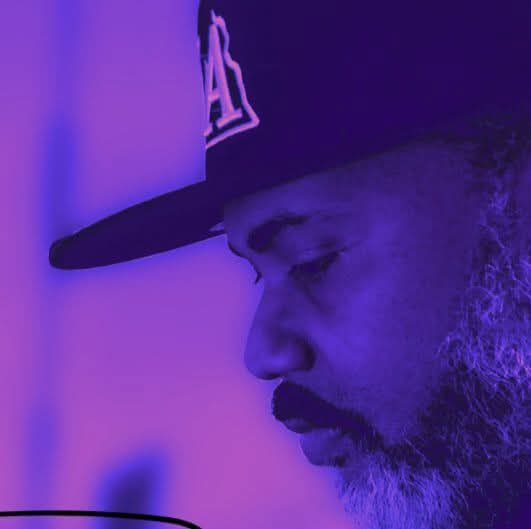
Parlé Mag: Songwriting, production and arrangement can often be invisible to listeners, even when they’re central to a record’s identity. What’s one contribution from that era you wish more people knew about, and what did it take to bring it from an idea to a finished track?
Tim Byrd: I wish more people knew how much we worked and continued to grow creatively. I wish they could hear what we were coming up with every day.
Like I mentioned, we would all meet at Todd’s parents’ house. Sometimes, though, Todd would call me at home with a new song idea. On other occasions, we would watch TV while working on something else, and an actor would deliver a line that caught our attention. We’d look at each other and say, “That’s a song!” We also found inspiration in everyday conversations.
Once we had an idea, I’d head to Todd’s house and develop musical arrangements to match his concept. Sometimes, I’d create the music first, and Todd would build the lyrics around it. Other times, I’d develop a theme, and we’d finish writing the song together. After that, we’d bring in the other guys. Most of the time, they were already there, playing games or recording skits on videotape. I’d call each member into the studio to record his part.
The Outsiderz Chapters
Parlé Mag: As the group continued under names like Outsiderz and Outsiderz 4 Life, the journey entered another phase. How did those later chapters differ from the Whytegize years, and what remained constant in the music and brotherhood?
Tim Byrd: The difference between the Whytegize years and the Outsiders/Outsiderz 4 Life years was growth. Huge growth in songwriting, production and vocals.
During The Outsiders years (1994–1997), we were signed to Boyz II Men’s label, Stonecreek Records. Wanya, from Boyz II Men, is the one who changed their name to The Outsiders. He felt the guys reminded him of the guys in Francis Ford Coppola’s film The Outsiders.
In 1997, Stonecreek Records was going through a transition with Sony Music and had to slow down operations. That meant we had to move back to Virginia after living in Philly for a while. We later found out that the label was closing.
Once we got back home, the brotherhood became a little complicated. Aaron and Noel decided to start their own group with a friend, called DNA. The rest of us continued with two new members, Jimmy Marble and Jason Dowty. We then changed the name to Outsiderz 4 Life. We couldn’t keep The Outsiders because a rap group in New Jersey had trademarked the name. That’s when we connected with Aaliyah through Blackground Records in 1998.
When the Industry Chapter Changes
Parlé Mag: Groups evolve, careers take different turns and some stories don’t always get the recognition they deserve. Looking back, what do you feel was the biggest lesson from your time with the group, and what part of that experience still informs your work today?
Tim Byrd: The biggest lesson was determination. I started to understand that talent alone isn’t going to get you anywhere. You need determination. I also learned to embrace change rather than let it hold me back. Just keep it moving. These are the things I carry with me today.
Byrdman Pro
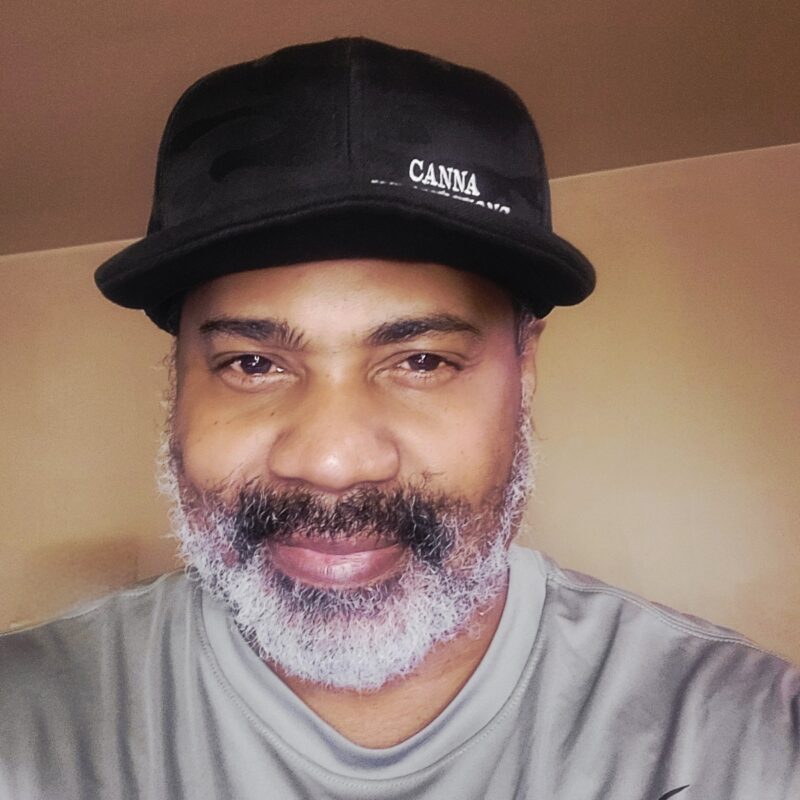
Parlé Mag: A New Creative Lane: Today, you’re based in Newport News and working through Byrdman Pro, composing and producing music for television, film and sync licensing. How did you move into that world, and what’s different about creating music to serve a scene, story or visual moment?
Tim Byrd: After Aaliyah passed in 2001, we all had to move from Los Angeles back to Virginia. By this time, we were starting to go in different creative directions. There were no hard feelings; we simply went our separate ways. Meaning, it just happened. I fell in love with all the music in films and wanted to use my gifts in sync licensing, with the goal of composing for a film.
Producing music for a mass audience to purchase is totally different from what I do in sync. When producing for the masses, you take your creative thoughts, record them and hope the audience relates to the music and buys it.
In sync licensing, TV production companies usually know exactly what they want. You create music to meet the project’s specific needs. They’re not looking for hits; they’re looking for the right fit. I love this side of the industry because rejection doesn’t depend on your streams or downloads. Sometimes, your music simply doesn’t suit a particular project at that moment.
I’ve had only limited experience creating music to a story or behind a video. The majority of my work has come from placements on several TV shows across different networks and streaming services. Make no mistake: my ultimate goal is to score films.
The Legacy Behind the Sound
Parlé Mag: From Sudden Impact to Whytegize and the Outsiderz chapters, you played an important role in the group’s evolution, even when your name wasn’t always front and center. What do you hope people understand about your contribution, and what’s next for Tim Byrd as a songwriter, producer and composer?
Tim Byrd: I want them to understand that I AM the sixth member of every single name the group has had, LOL. From Too Special all the way to Outsiderz 4 Life. I was there.
That’s why the journey I’m on is perfect for me. I’m focused on securing more music placements on television shows and pursuing my ultimate goal of composing for films.
Get Connected With Tim Byrd
Instagram: @byrdmanpro