Key Takeaways:
- Regular car detailing preserves both the exterior and interior condition of your vehicle, significantly enhancing its resale value.
- Professional detailing services can increase a car’s resale value by up to 15%, translating to thousands of dollars in added worth.
- Investing in routine detailing not only maintains aesthetic appeal but also prevents long-term damage, ensuring a quicker and more profitable sale.
The Impact of First Impressions on Resale Value
When buyers approach a used car, their immediate impression sets the stage for negotiation. A meticulously detailed vehicle signals quality care, reliability, and fewer risks. It makes the car stand out, demonstrating that you have invested in its upkeep and that the vehicle is worth a premium. By showing off a gleaming exterior and an odor-free cabin, sellers can command higher offers and faster sales. Incorporating services such as the best ceramic coating for cars amplifies these effects, giving the paintwork additional shine and protection that buyers appreciate.
Neglecting car detailing, on the other hand, can lower buyer confidence. Dull paint, water spots, and interior stains suggest hidden problems or a lack of proper maintenance. These negative perceptions can result in lower bids or, even worse, cause potential buyers to look elsewhere. A fresh, well-kept vehicle makes a difference not just visually but also in the perceived lifetime and value of the car.
Neighborhood, climate, and how you use and store your vehicle also influence the importance of regular detailing. In urban areas or places with heavy snow, road grime and salt can cause corrosion quickly, making upkeep even more essential to prevent permanent damage. Professional detailing will protect surfaces from harsh elements and slow down the aging process of your car.
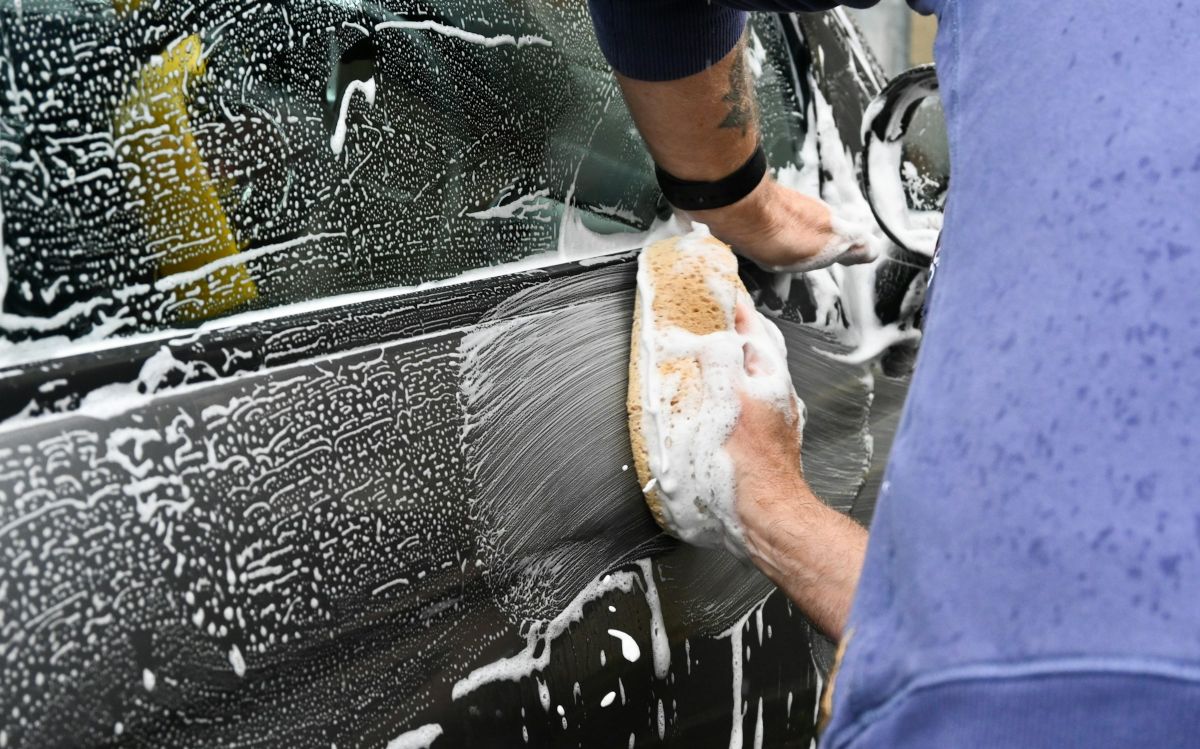
While many drivers wash their car occasionally, professional detailing goes much further. The thorough process covers paint correction, waxing, polishing, upholstery cleaning, and even headlight restoration, ensuring every aspect is addressed for maximum appeal and value retention.
To further protect your investment and keep your vehicle in top condition, consider adding a ceramic car coating as part of your ongoing maintenance routine. This service provides a durable shield against contaminants and makes future cleanings quicker and easier.
Exterior Detailing: More Than Just Aesthetics
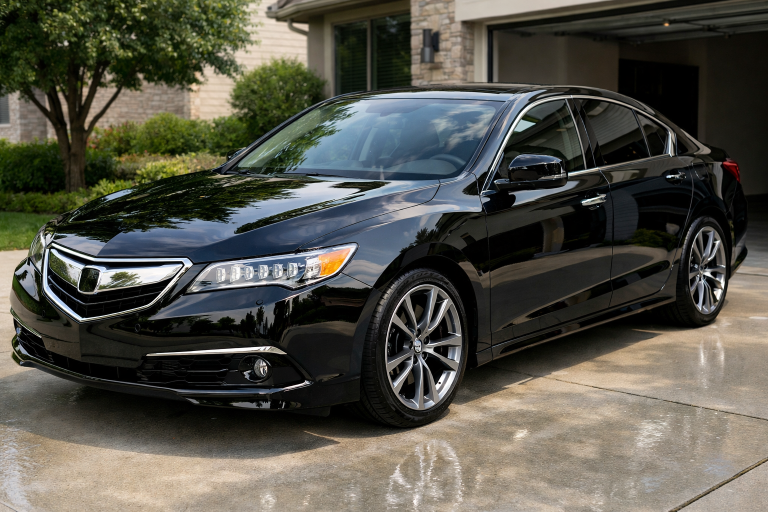
Consistent exterior detailing involves removal of contaminants, followed by polishing and waxing. This not only restores depth and gloss to your vehicle’s paint but also creates a protective barrier against harsh sun, bird droppings, road salt, and tree sap. Over time, these environmental hazards can lead to oxidation, dulling, and paint failure.
Paint protection goes beyond immediate appearance. Regularly waxing or applying a ceramic coating can dramatically slow down the fading and breakdown of automotive paint, preserving that showroom shine for years and boosting resale value.
Interior Detailing: Preserving the Cabin’s Integrity
Buyers spend much of their time inside the car, so a spotless, fresh-smelling cabin is crucial. Professional interior detailing tackles stubborn stains, odors, dust, and everyday grime. Clean carpets, smudge-free controls, and well-maintained upholstery indicate careful ownership and ensure a positive buyer experience.
Leather and fabric seats are especially prone to wear and tear, but routine cleaning and conditioning can extend their lives significantly. Preventing dirt buildup also reduces allergens and bacteria, making your car healthier and safer for occupants.
Engine Bay Cleaning: An Overlooked Advantage
Few sellers take the time to detail the engine bay, but this step can set your car apart. A clean, tidy engine compartment signals attentive care to buyers and can make inspections easier and more reassuring. Visible effort in engine upkeep shows the car has been properly maintained under the hood as well as elsewhere.
This practice also helps prevent the accumulation of oil, grease, and dirt that can mask mechanical problems or cause frustrations during pre-purchase inspections.
Quantifying the Financial Benefits
Studies suggest that cars with a documented detailing history can command up to 15% higher resale prices compared to similar vehicles that have not been as well maintained. For example, if your car is worth $20,000, this can translate to a $3,000 premium. Given the relatively low cost and inconvenience of regular detailing, the investment pays off handsomely at resale time. CNN’s report on car values highlights that visually attractive vehicles have a competitive edge and can sell much faster in used car markets.
Beyond added value, regular detailing can lower the chances of costly repairs for paint damage, upholstery stains, or mold remediation, reducing your total cost of ownership.
Recommended Detailing Frequency
It is generally advised to have professional detailing done at least twice per year. However, your local environment and usage patterns may require more frequent treatments. If you often park outdoors, live in extreme temperatures, or drive in areas with lots of road debris, quarterly detailing may be preferable. Prompt detailing after harsh winters or muddy seasons also prevents long-term wear and tear.
On top of professional sessions, supplementing with regular at-home maintenance (like washing, vacuuming, and wiping down surfaces) will help you preserve the detailing benefits longer.
Conclusion
Investing in car detailing is a win-win strategy for vehicle owners. Not only does it keep your ride looking, smelling, and running better, but it also maximizes its resale value and market appeal. Comprehensive exterior and interior care, when combined with advanced protective measures like ceramic coatings, ensures your car stands out and fetches top dollar quickly. Consistent attention to your vehicle’s appearance and cleanliness is a small effort with big returns when it’s finally time to sell.