Key Takeaways
- Local festivals play an indispensable part in preserving cultural heritage and community identity in Spain.
- Events like these provide vital economic support through tourism and the stimulation of local businesses.
- Communal festivals often highlight the need for continued progress toward inclusivity and representation for all residents.
Local festivals in Spain are the vibrant core of communal life, offering more than just colorful displays and festive gatherings. They serve as essential threads weaving together the nation’s rich tapestry of history, tradition, and social connection. These gatherings immerse both residents and visitors in Spain’s unique customs, providing memorable experiences that foster lasting community spirit. If you want to participate in these incredible celebrations, Spain tour packages give travelers a firsthand look at the country’s most beloved events, allowing participation and appreciation of their deep-rooted significance.
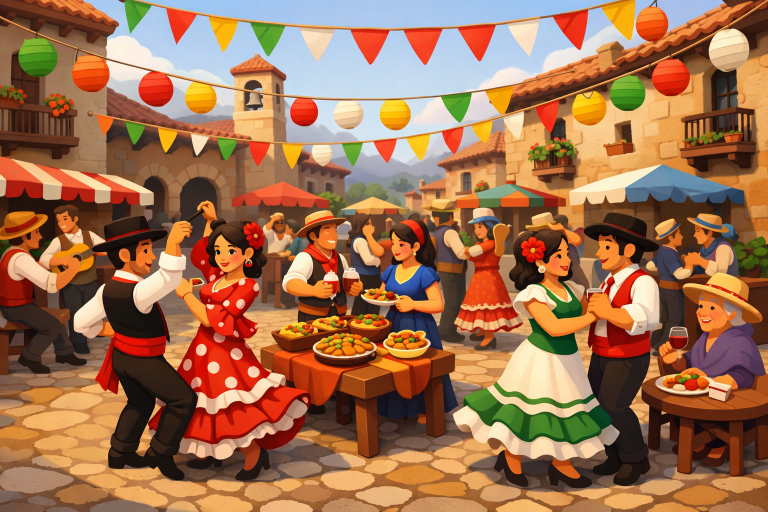
Celebrations such as Semana Santa or lively village fiestas present an opportunity to understand the essence of Spanish society. Through music, dance, traditional costumes, and communal meals, these events bring generations together and shape a sense of local identity. The role of festivals extends far beyond entertainment, underpinning the social and economic fabric of towns and villages throughout Spain.
The Cultural Significance of Spanish Festivals
Spanish festivals are deeply intertwined with the nation’s past, often marking religious holidays, historic milestones, and the rhythm of the agricultural calendar. The grand processions of Semana Santa honor the country’s Catholic roots, while regional events like the Fallas in Valencia display storytelling through elaborate monuments and fireworks. These events are not simply historic reenactments. Instead, they preserve local culture through repeated practice, ensuring that ancestral customs are handed down to younger generations and keeping collective memory alive.
In addition to celebrating patron saints or commemorating local legends, these festivals often act as “living museums,” where history and modern life seamlessly interact. By maintaining these rituals, communities fortify their distinct identities and pass on invaluable knowledge to visitors and participants alike.
Economic Impact on Local Communities
The economic advantages of Spain’s local festivals are substantial. Popular events transform quiet villages into bustling centers of commerce as tourists arrive, eager to partake in unique regional experiences. Local businesses such as guesthouses, restaurants, artisan shops, and markets thrive, generating much-needed income and sustaining employment year-round. In places like Fuentesaúco, the staging of La Pasión attracts thousands and makes a significant contribution to the municipality’s financial health, especially important for areas facing population decline.
In this way, festivals are more than a boost to guest numbers in hotels. They stimulate the entire local economy and encourage investment in cultural preservation and infrastructure. According to The New York Times, the surge in cultural tourism related to local festivals is a cornerstone for rural regeneration in Spain.
Fostering Social Cohesion
Social connection is at the heart of Spanish festivals. Events such as the Bando Internacional de la Huerta y el Mar in Los Alcázares transform towns into melting pots of tradition and modernity. Here, both residents and newcomers find common ground through shared meals, traditional songs, and collaborative festivities. These gatherings reinforce the sense of belonging and nurture a collective pride in local heritage.
Volunteerism and community participation are cornerstones of festival organization, with townspeople often spending months preparing costumes, floats, and performances. In doing so, they build closer relationships and encourage intergenerational interaction, making festivals a pivotal mechanism for social unity and resilience.
Challenges of Inclusivity
Despite their social benefits, some traditional festivities face challenges regarding inclusivity and representation. The Moros y Cristianos festivals, held in towns such as Alcoy, have faced scrutiny for not fully incorporating the city’s Muslim residents. While the historic narrative traces the Reconquista, contemporary demographics and values prompt communities to reconsider how they celebrate these events. There is growing recognition of the need to ensure all groups feel respected and welcomed, reflecting Spain’s increasingly diverse society.
Preserving Traditions Amid Modernization
The modernization of Spanish society brings both threats and opportunities for traditional festivals. While the risk of excessive commercialization or cultural dilution exists, dedicated organizers in regions like Navarra maintain authenticity through rituals like the Zanpantzar, in which villagers dress in sheepskins and bells to welcome spring. These practices require careful navigation of changing social norms, environmental considerations, and technological advances. The challenge is to balance innovation with the respectful preservation of cherished customs.
The Rise of Microfestivals
In recent years, there has been a movement toward smaller and more locally focused celebrations known as microfestivals. These gatherings emphasize authentic experiences and encourage deeper community participation. Unlike large-scale tourist events, microfestivals prioritize meaningful engagement, allowing attendees to form genuine connections, discover distinct regional heritage, and participate directly in the traditions of the area. This trend reflects both an appetite for sustainable tourism and a renewed commitment to grassroots identity.
Conclusion
Local festivals in Spain are not simply lively occasions. They are an integral part of national identity, safeguarding tradition, supporting local economies, and creating shared community pride. As these festivals adapt to the challenges of representation and modernization, their role as cultural touchstones remains secure. Through inclusivity and authenticity, Spain’s local festivals will continue to thrive as cherished gatherings for generations to come.