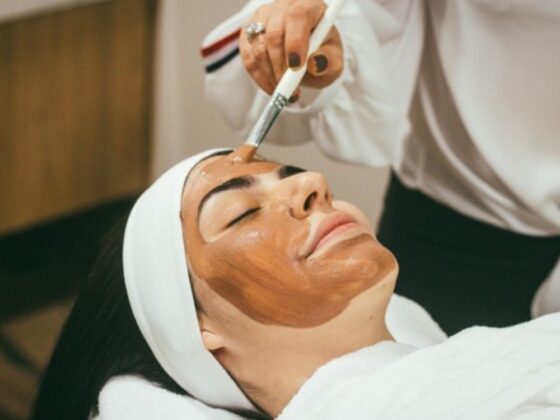
If your skin feels thinner, slower to recover, or your hair appears less dense, biology is often the reason. A gradual decrease in growth factors impairs your skin’s ability to repair itself and your hair follicles’ ability to remain active. Modern regenerative approaches, including stem cell skincare and innovations from Calecim Professional, aim to restore these signaling pathways rather than simply mask the symptoms.
Table of Contents
- What Do Growth Factors Actually Do for Skin and Hair?
- Understanding the Root Causes of Aging Skin and Hair
- The Science Powering Calecim’s Regenerative Approach
- A Smarter Skincare Approach with Calecim
- What Is PTT-6 Technology?
- Key Benefits of Using Calecim
- When It’s Commonly Used
- Frequently Asked Questions
- Final Thoughts on Calecim and Regenerative Care
What Do Growth Factors Actually Do for Skin and Hair?
Growth factors are naturally occurring proteins that act as messengers between cells. In both skin and scalp, they regulate essential processes like collagen production, tissue repair, and hair follicle activity.
In practical terms, they help:
- Stimulate collagen and elastin synthesis for firmer skin
- Accelerate wound healing and recovery
- Support the growth cycle of hair follicles
Dermatology research has shown that these signaling molecules are critical for maintaining healthy skin structure and function. Without them, regeneration slows, leading to visible aging and hair thinning.
Understanding the Root Causes of Aging Skin and Hair
Aging is not just about time passing. It is largely driven by reduced cellular communication and slower regeneration.
Collagen production, for example, declines steadily with age. According to Dermatology Research and Practice, collagen production decreases by about 1.0% per year, contributing to wrinkles and skin thinning.
Hair loss follows a similar biological pattern. The National Library of Medicine reports that androgenetic alopecia affects 50 percent of males and females, increasing with age as follicle activity declines.
What connects both processes is a decline in growth factor signaling. Cells receive fewer instructions to repair, regenerate, and function optimally.
The Science Powering Calecim’s Regenerative Approach
Growth factors function as biological instructions. They tell cells when to repair damage, produce structural proteins, and maintain tissue health.
As these signals weaken over time, regenerative therapies aim to restore them. This is where stem cell-derived technologies and exosome-based research come into focus.
Exosomes play a key role in cell-to-cell communication, delivering proteins and genetic material that support tissue repair and regeneration.
Instead of forcing rapid turnover like traditional actives, these approaches work by enhancing the skin’s natural repair mechanisms.
A Smarter Skincare Approach with Calecim
Biologically active skincare products that promote cellular regeneration are becoming more popular.
Calecim Professional Serum focuses on formulations rich in growth factors that come from stem cell research. These products are commonly used alongside procedures such as microneedling or laser treatments to support recovery and improve outcomes.
This approach aligns with clinical dermatology practices, where enhancing the skin’s healing response often leads to better long-term results.
What Is PTT-6 Technology?
PTT-6® is a proprietary complex developed by Calecim Professional, composed of multiple bioactive proteins including growth factors, cytokines, and exosomes.
Rather than relying on a single active ingredient, it is designed to mimic the natural healing environment of healthy tissue.
Its function can be understood through three key mechanisms:
- Encourages collagen and elastin production
- Improves communication between skin and scalp cells
- Supports cellular repair and regeneration
This multi-component approach reflects how the body naturally restores damaged tissue, making it relevant in both stem cell skincare and stem cell hair applications.
Key Benefits of Using Calecim
The healing potential of growth factor-based formulations has led to their greater use in both clinical and at-home settings.
- Improved skin texture and elasticity
By supporting collagen synthesis, skin appears firmer and smoother over time. - Faster post-procedure recovery
Growth factors are widely studied for their role in wound healing. Research published in the Journal of Drugs in Dermatology notes their ability to enhance skin repair after procedures. - Support for hair growth
Stem cell treatments for hair may help reactivate dormant follicles and improve hair density by enhancing the scalp environment. - Reduction in visible signs of aging
Improved cellular turnover and repair can soften fine lines and improve overall skin quality.
When It’s Commonly Used
Growth factor-based therapies are often recommended in situations where regeneration is a priority.
They are commonly used for:
- Post-laser or microneedling recovery
- After hair transplant procedures
- Early-stage hair thinning
- Menopausal skin and hair changes
Combining advanced treatments with supportive skincare can enhance outcomes and recovery.
Frequently Asked Questions
Are growth factors safe for skin and hair?
Growth factors used in skincare are typically purified and formulated for topical application. Clinical literature generally supports their safety when sourced from reputable technologies.
Do stem cell hair treatments really work?
Early research suggests they can improve follicle activity by enhancing cellular communication, though results vary between individuals.
How is stem cell skincare different from traditional products?
Traditional products focus on hydration or exfoliation. Stem cell skincare targets cellular behavior, supporting repair and regeneration.
How long does it take to see results?
Skin improvements may appear within weeks, while hair regrowth typically follows the natural cycle, often requiring three to six months.
Can growth factors replace retinol?
They serve different roles. Retinol accelerates cell turnover, while growth factors support repair. Many dermatologists recommend using them together in a balanced routine.
Final Thoughts on Calecim and Regenerative Care
Growth factors signify a change in the treatment of aging skin and hair. Rather than focusing only on surface-level changes, they work by restoring the biological signals responsible for repair and renewal.
Technologies developed by Calecim Professional reflect this approach, combining stem cell research with practical skincare applications. While the field continues to evolve, current evidence suggests that supporting the skin’s natural regeneration processes can lead to healthier, more resilient skin and hair over time.