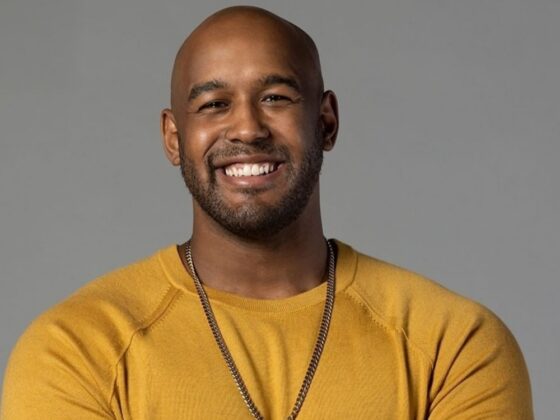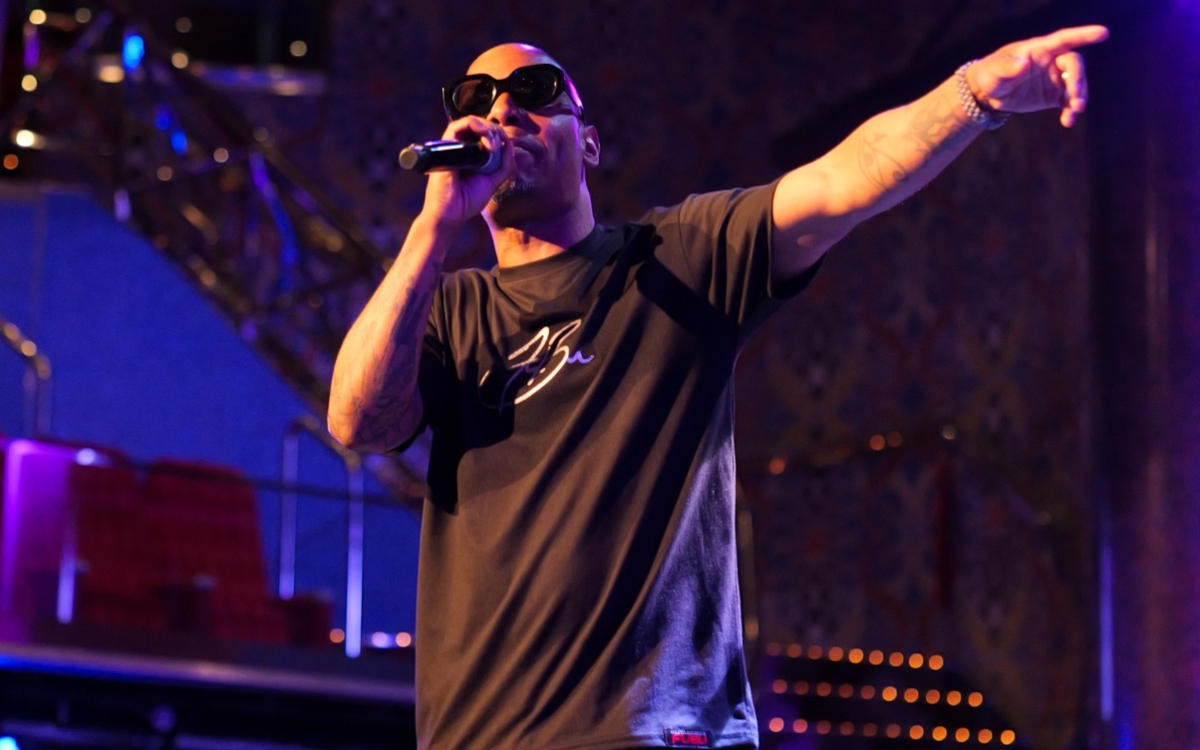
Dylan Dili’s story was never supposed to end with five names and two words: “Hot Fire.”
Long before Dave Chappelle turned his name into one of Hip-Hop’s most enduring punchlines, Dylan was already living the culture. Brooklyn gave him the hustle; his Caribbean roots gave him rhythm, tradition and grounding. Dancehall sound systems became his first classroom, teaching him how to read a crowd and command a microphone before television ever introduced him to the world.
Then came Making the Band 2. Chosen from thousands of hopefuls, Dylan became part of Da Band, the Bad Boy collective whose 2003 album Too Hot for TV went platinum and whose triumphs, tensions and growing pains unfolded in front of millions. Reality television made them famous, but it also meant surrendering control of how their stories were told.
And then came Chappelle’s Show.
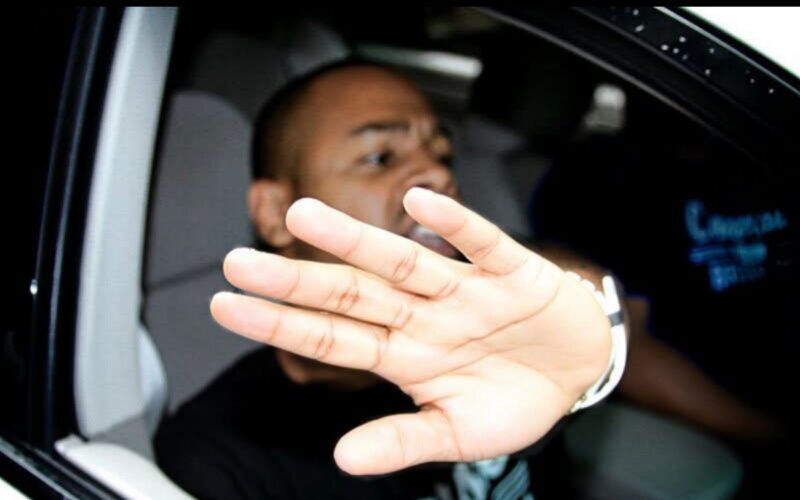
“Dylan, Dylan, Dylan, Dylan and Dylan… because I spit hot fire” became bigger than the sketch itself—a line that traveled through hip-hop, comedy and internet culture for generations. Dylan eventually learned to embrace the joke, even building The Top5 Show around its legacy, but there was another side to being immortalized that way: the serious MC, songwriter and musician often had to fight to be heard over the laughter.
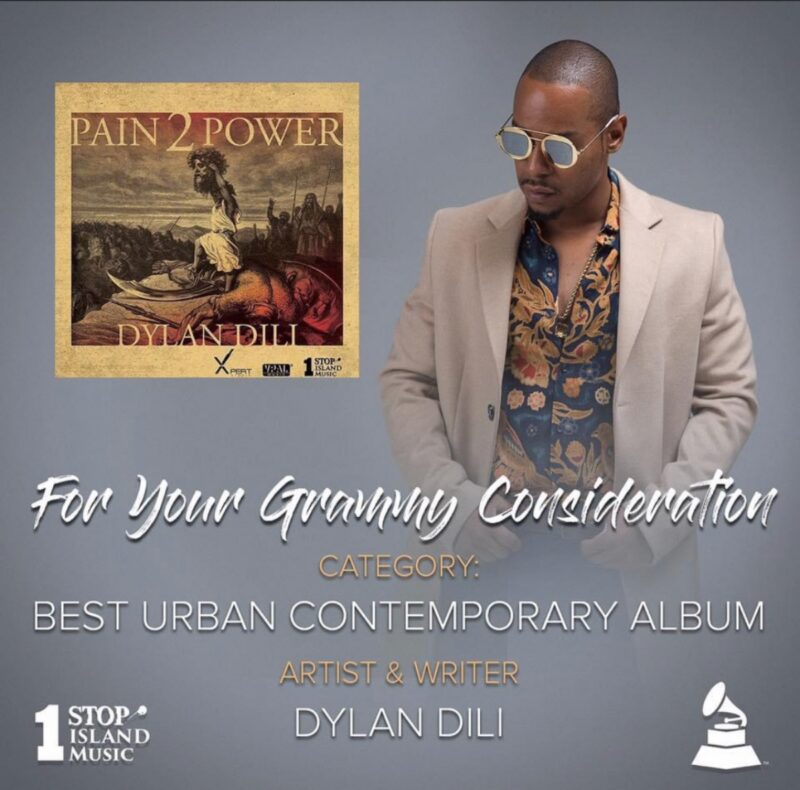
More than two decades later, Dylan is still here—and the story is considerably bigger than the meme. He’s an artist, DJ, radio personality, entrepreneur and now an author, carrying the lessons of Bad Boy, Da Band, independence and survival into his next act. His 2017 album Pain 2 Power said plenty in its title alone, while his forthcoming book digs even deeper into the man television could never fully capture.
Maybe that’s the real Dylan story. The world remembers the five best rappers joke. He remembers everything it took to still be standing after the punchline.
From Brooklyn to Carriacou, sound-system speaker boxes to MTV cameras, platinum success to independence, Dylan Dili has spent a lifetime turning pressure into purpose—and yes, more than 20 years later, he’s still spitting hot fire.
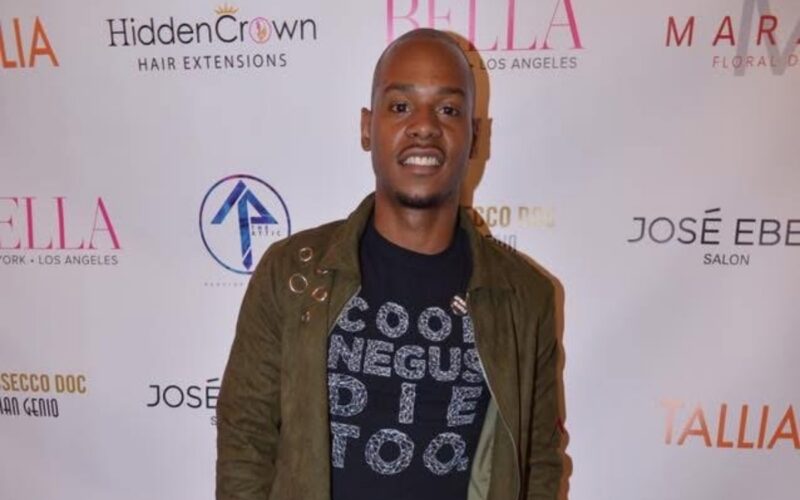
Parlé Mag: Before Making the Band 2, platinum plaques, Chappelle’s Show, and becoming one of hip-hop’s most unforgettable personalities, there was a young Dylan John growing up between Brooklyn and Carriacou [Grenada]. How did those two worlds shape the man and artist you’ve become?
Dylan Dili: Bless up! And first, thank you.
Brooklyn is a fast city, and you grow up quickly. The things we did as children, some people only started doing as adults. Myself and the streets had an early commitment, LOL—to say the least.
In Carriacou, everything is slower, and nature sets the tone: farming, agriculture, animals, and a deep cultural history.
So, the two kept me grounded for anything that was to come. To put it simply, I understand the backstreets of the city, and I also know how to kill a goat.
Parlé Mag: Your journey from carrying speaker boxes to becoming a reggae sound-system selector taught you the music before you ever stood in front of a microphone. What lessons from those dancehall days still influence how you move today?
Dylan Dili: Dancehall sound systems were my first real love. The MCs of the sound systems carried a presence. Sounds like Stone Love, LP International, Addies, and many more were my icons as a kid, and they would work a crowd like no other!
They were the stars. At that time, it wasn’t the individual artists. The sound systems were the stars and who you came to see when you went to a dance.
So, from stringing up a system and setting up the speaker boxes for the night to seeing how they worked a crowd helped me a lot with how I perform to this day.
Parlé Mag: Out of roughly 40,000 hopefuls, Sean Combs chose you to become part of Da Band. Looking back, what do you think Diddy saw in Dylan that separated you from everyone else chasing the same dream?
Dylan Dili: Sean said, “Dylan has the eye of a tiger, and his passion is felt by the people.” Those were his exact words, and I’m grateful for that. He’s probably the greatest A&R of all time because he knows how to see greatness.
I think every person who auditioned was full of talent, and I love them all. I also believe it was destined, and the Almighty God wanted me to go through this journey for whatever reason.
So, I’m hoping that before I transition, I can take those gifts and inspire and help others for years to come.
Parlé Mag: Making the Band 2 gave fans a front-row seat to the grind, the pressure, and the personalities behind the music. What’s one chapter from that experience you’ve never really had the opportunity to tell from your perspective?
Dylan Dili: Mental. That it’s all mental.
Beyond the work, I think that chapter is still happening now, and many creatives forget that it’s the most important thing. If you can take the pressure of “fans” loving you one day and crucifying you in the media the next—and have the ability to keep a smile and keep going—then you won.
That’s the one chapter I have to share with the world.
Parlé Mag: Dave Chappelle’s “I’m one of the five best rappers…” sketch became one of the most quoted comedy moments in television history. Most people remember the joke, but how did you learn to embrace becoming part of pop culture instead of running from it?
Dylan Dili: I embraced it because I didn’t have a choice, LOL.
I hated it at first because, in the beginning, it did not help. Now it’s a part of pop culture, so I use it to my benefit. I even named my radio show The Top5 Show from the reference the comedian created.
Parlé Mag: Da Band’s Too Hot for TV captured a unique moment in hip-hop history. When you revisit that era now, what do you think people appreciated then, and what do they still overlook about the group’s chemistry and potential?
Dylan Dili: I think the first part is for the people to decide because I have NO idea what the people appreciated. I was in a bubble, sadly, so I’ll never know how y’all felt. I know for myself that the talent was overlooked. There is so much more for us as a group and as individuals to bring to the table. I pray that y’all are all listening, reading, and watching.
Parlé Mag: Rather than waiting for another major-label opportunity, you chose independence and built Top5 Entertainment on your own terms. What has ownership taught you that success inside the major-label system never could?
Dylan Dili: I’m still in the beginning stages of my company, but I want to make sure no one goes through the hell I went through as far as shady business.
So, one of the main purposes of the company is to educate and be transparent with any DJ or artist that we choose to work with.
Parlé Mag: Between being an artist, DJ, and radio host, you’ve experienced music from every angle. How has sitting behind the turntables and the microphone changed the way you create records as an MC?
Dylan Dili: I can see what’s missing and fill that need.
It helps a lot when you’re getting thousands of songs and can recognize that “this” sound is missing. Then I’ll provide that sound—or write it for someone else to fill that gap in the game.
Parlé Mag: Your Caribbean roots have always shaped your identity, whether people recognized it immediately or not. How important has it been for you to represent that culture authentically while navigating American hip-hop?
Dylan Dili: As the first Caribbean representative that people could watch on international TV weekly for many years, it’s my duty to keep the culture alive and not water it down.
Let them know our sound, our food, our traditions, and our morals. Even saying “good morning” when people weren’t raised to do so is part of reppin’ the culture to the globe.
I’m happy to see how far we’ve come, too.
 Parlé Mag: You recently announced that your first book is complete. It has 26 chapters and a lifetime of experiences poured onto the page. What inspired you to tell your story now? What do readers stand to learn about Dylan that they’ve never seen on television, heard in your music, or read online?
Dylan Dili: First, let me say I have many musical projects available under the name Dylan Dili—and even more unreleased.
In 2017, I released my first and, as of now, last solo album, Pain 2 Power. It was released by VPAL, the distribution arm of VP Records, and considered for a Grammy in 2018.
When I didn’t get the Grammy after doing a full campaign daily and nightly—for seasons of no sleep—I got disappointed. I got mentally tired. I felt like I did all this work and no one heard it. Then I found a “forest,” a nature trail in Long Island. There, I went into the bushes by myself every day and just wrote my deepest thoughts. I shelved it because it was just my therapy.
Now, I’ve decided to release it as a book. I added some recent points and experiences, and now it’s ready to release this year.
Parlé Mag: You’ve asked fans whether they’ll read your book while you’re here to see their reaction. Does that question come from wanting to leave a legacy? Or from wanting people to truly understand the man behind the headlines while you can still share the journey yourself?
Dylan Dili: I just pray someone can take lessons from it and learn something.
Let that be their legacy.
Parlé Mag: Looking back on everything—from Brooklyn to Grenada, Making the Band, platinum success, “hot fire,” independent entrepreneurship, radio, and now becoming an author—what do you hope history ultimately says about Dylan Dili’s contribution to hip-hop, Caribbean culture, and the power of rewriting your own story?
Dylan Dili: That I spit and spin Hot Fire. LOL.
I pray people will embrace what I left behind.
And if not… go to hell, ’cause I didn’t like you anyway.
Love to the real ones.
And thank you for this.
Get Connected With Dylan Dili
Instagram: @dylandili
Facebook:@DylanDili