When Cars Became Part of the Story
Cars have always played a role in visual storytelling, but their function has shifted significantly over the past few decades. Once treated as background props or status symbols, vehicles are now central to how identity is communicated in music, film, and digital culture.
From music videos that use cars as extensions of personality, to films where vehicles define character arcs, automotive design has become deeply embedded in creative expression. This influence has not stayed on screen. It has filtered into everyday life, shaping how people perceive, choose, and customize their own vehicles.
What we’re seeing now is not just admiration of cars in culture—it’s culture actively shaping cars.
Music Videos: Cars as Visual Language
Music videos have long been one of the most influential platforms for automotive aesthetics. In the early 2000s, cars were often used to signal success or rebellion. Today, their role is more nuanced.
In modern visuals, vehicles are carefully selected to match tone, mood, and artistic identity. A minimalist electric car might signal restraint and modernity, while a restored classic suggests nostalgia or authenticity. Hypercars often represent ambition, but also visual exaggeration—something that stands out in a fast-scrolling digital environment.
Importantly, the car is rarely just a car. It becomes a visual metaphor for the artist’s identity.
This has had a direct impact on real-world taste. Audiences exposed to these visuals begin to associate certain silhouettes, colors, and modifications with lifestyle aspirations rather than pure functionality.
Film Culture and the Emotional Role of Vehicles
Cinema has shaped automotive identity for decades, but the nature of that influence has evolved. Earlier films often relied on cars to symbolize power or freedom in a straightforward way. Today, filmmakers use vehicles more subtly, integrating them into character psychology and narrative tone.
A restrained, understated car might reflect emotional control or isolation. A heavily customized vehicle can signal internal conflict or rebellion. Even the sound design of a car in film contributes to character development.
This emotional framing changes how audiences perceive vehicles in real life. People don’t just see a car—they unconsciously attach narrative meaning to it.
That narrative influence has helped shift automotive taste away from purely technical considerations towards aesthetic and emotional resonance.
Celebrity Culture and the Normalization of Customization
Celebrities have always influenced automotive trends, but the relationship has become more direct and visually driven through social media.
Rather than seeing cars only in staged magazine shoots or film appearances, audiences now encounter them in everyday content: behind-the-scenes footage, casual posts, and short-form video clips. This constant exposure has normalized personalization.
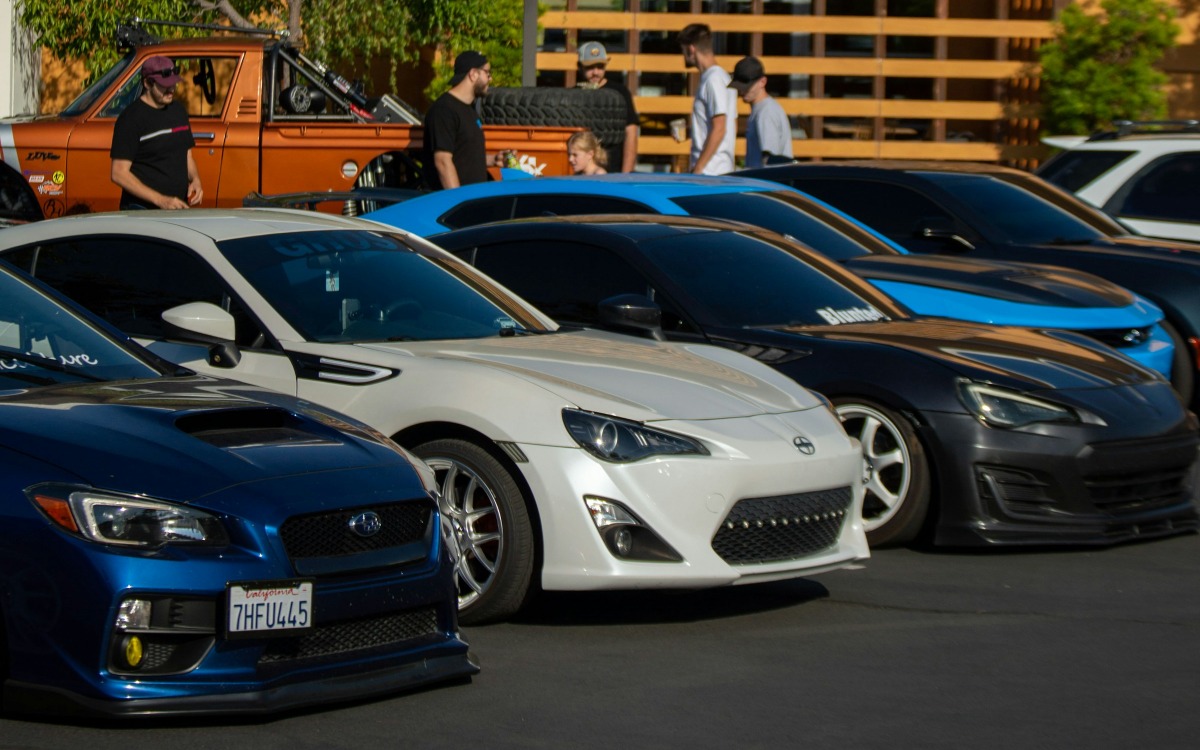
Wraps, interior modifications, wheel changes, and lighting upgrades are no longer seen as extreme customization—they are part of a broader identity toolkit.
The result is a shift in perception. Cars are increasingly viewed as adaptable objects, capable of reflecting mood, aesthetic preference, and creative alignment.
The Rise of “Aesthetic Consistency”
One of the most interesting cultural shifts is the idea of aesthetic consistency across different aspects of life. The same visual identity that appears in clothing, digital profiles, and interiors is now extending to vehicles.
This is particularly visible in younger audiences, where creative identity is curated across multiple platforms. A car is expected to “fit” within that ecosystem rather than exist separately from it.
This expectation has influenced everything from factory color choices to aftermarket trends. Subtle tones, cohesive interior palettes, and minimalistic design cues are increasingly preferred over highly aggressive styling.
Even smaller visual details contribute to this sense of consistency. Elements like plate styling and presentation have become part of how drivers complete the visual language of their vehicle. In this space, companies such as Number 1 Plates operate within a broader cultural shift where automotive presentation is treated as part of a wider aesthetic system rather than just a functional requirement.
Social Media as the Bridge Between Screen and Street
The transition from on-screen inspiration to real-world application is largely driven by social media. Platforms like Instagram, TikTok, and YouTube have collapsed the distance between professional automotive production and everyday ownership.
A car seen in a music video or film can quickly become a reference point for real-world modifications. Users replicate color schemes, lighting setups, and interior styles based on short clips or screenshots.
This has created a feedback loop: cultural media influences automotive taste, and modified real-world cars then reappear in digital spaces as new inspiration.
In this environment, vehicles are no longer static objects. They are evolving visual references that circulate between entertainment and everyday life.
From Ownership to Creative Expression
The idea of car ownership is gradually shifting towards creative expression. Instead of simply choosing a model based on practicality or performance, drivers are increasingly thinking in terms of visual identity and emotional alignment.
This doesn’t necessarily mean extreme modifications. In many cases, it is about subtle decisions: color choice, wheel design, interior lighting, or interface layout. These elements collectively shape how a vehicle communicates identity.
As cars become more software-driven, this layer of expression is expanding. Digital dashboards, selectable driving modes, and ambient environments allow vehicles to adapt visually as well as mechanically.
Conclusion: Cars as Cultural Extensions
The influence of music videos, film, and celebrity culture on automotive design is no longer indirect—it is embedded in how people think about vehicles from the outset.
Cars have become cultural extensions of identity, shaped by visual storytelling long before they are purchased or customized. What once existed on screen now appears on streets, driveways, and urban landscapes.
As this relationship continues to evolve, automotive aesthetics will likely become even more intertwined with creative industries. The line between inspiration and implementation will keep narrowing, and cars will increasingly function as personal canvases shaped by the media people consume.
In this context, even the smallest design details contribute to a broader visual identity system—one where vehicles are not just driven, but expressed.