Ever catch yourself thinking you have been “moving all day,” only to realize most of it actually happened in your head and not your body? That is becoming a pretty common modern pattern. Life has never felt more busy, more connected, or more fast-moving. Yet physically, the body has shifted into a much more stationary rhythm than most people would expect. The average person now sits for around 9.5 hours a day, with estimates often ranging from 6.5 to over 10 hours depending on work and lifestyle. In office-heavy routines, that number can even stretch higher once commuting, screen time, and downtime are all added together. What makes this really interesting is the contrast. Mentally, you are constantly engaged, switching between tasks, conversations, and responsibilities, but physically, the body has been holding a relatively steady position for long stretches of the day without much variation.
Why Spinal Health Has Taken Center Stage
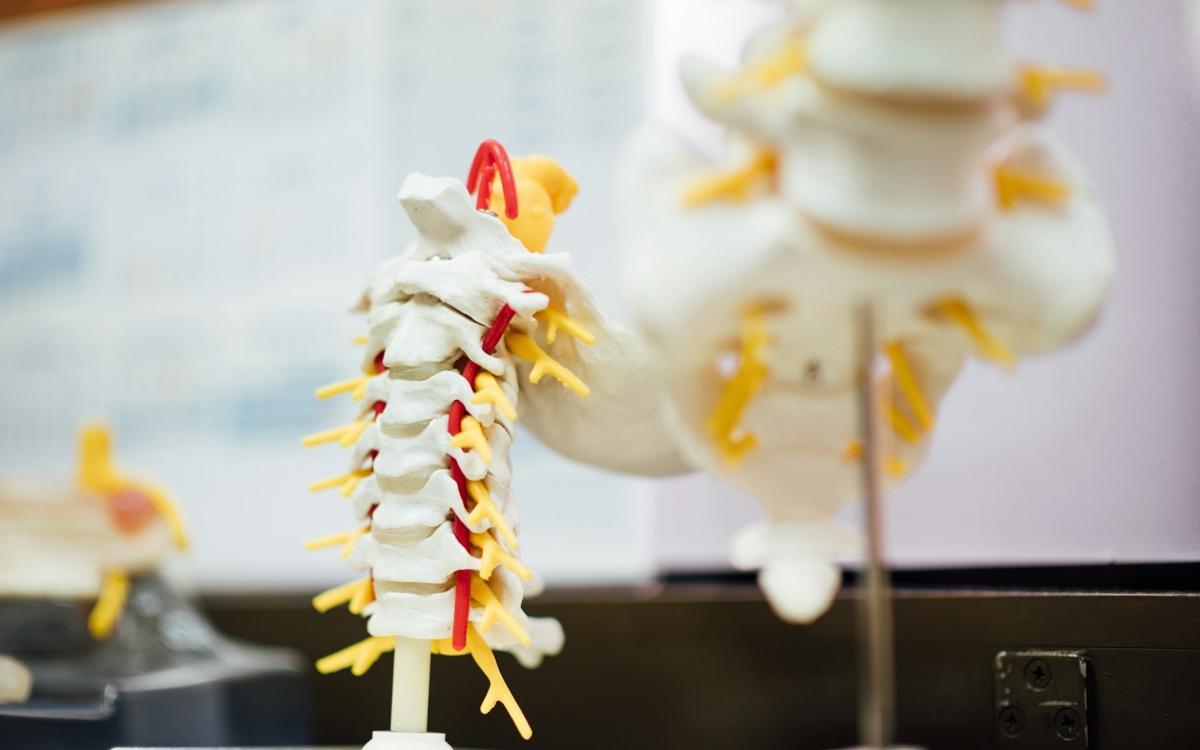
Spinal health has become a bigger deal in everyday wellbeing than most people realize, mainly because the spine does a lot more than just “hold you up.” It is basically the body’s central support system for balance, movement, and how well you get through daily life. When it is working well, everything else tends to move with a bit more ease and coordination, almost without you thinking about it.
The thing is, with sitting now baked into most routines, the spine has ended up spending a lot more time in the same positions than it was ever really designed for. A long day at a desk, a commute, then winding down on a screen all tends to add up in the background. Over time, those repeated positions start to shape how the body feels when it moves. Not in a sudden way, but gradually, like a habit the body adapts to. That is why posture and small movement patterns can start to matter more than they first seem to.
Movement Awareness During Exercise
Exercise has become one of the most widely embraced tools for supporting overall health, especially as sedentary time has increased. Strength training, stretching routines, and recreational movement all contribute positively to balance and vitality. However, attention during movement has become just as important as the movement itself. When exercising, awareness of posture and alignment allows the body to work in a more coordinated way. This does not require complex technique or constant correction, but rather a steady understanding of how the spine is being supported throughout different motions.
What tends to work best for the body is a slower, more steady approach rather than trying to do too much at once. Building up movement gradually, staying aware of how far the body is comfortable going, and giving it enough time to recover between sessions all plays a role in keeping things feeling more balanced over time. A lot of modern training approaches have started to lean into this idea as well. There is more awareness now that going too hard without paying attention to alignment can create unnecessary tension over time. So instead, you will often see more focus on controlled movement, steady breathing, and making sure the body is working as one connected system rather than in isolated effort.
A Holistic Approach That Brings Everything Together
Spinal wellbeing is most effective when viewed through a wider lens that includes lifestyle, movement, and body awareness as interconnected elements. Rather than isolating one method of care, a more integrated approach has been shown to support sustainable results over time. This is where disciplines such as kinesiology, as discussed by professionals like Zibo Gao, have gained attention. Kinesiology explores how the body moves as a system, focusing on how muscles, joints, and alignment work together in everyday activity. Within this perspective, movement is not treated as separate from health but as a continuous expression of it. When you start looking at it this way, movement does not really begin and end at the gym anymore. It starts to show up in the smaller, everyday moments too. How you sit at your desk, how you shift your weight when you stand, even the way you walk from one place to another all start to feel like part of the same bigger picture.
Practical Ways to Support Your Spine in Daily Life
Supporting spinal health does not require major lifestyle changes. Small, consistent habits tend to create meaningful long-term benefits. Regularly shifting position during the day helps the spine reset from static alignment. Light stretching between long sitting periods allows circulation and mobility to remain active. Ergonomic awareness also plays a supportive role. Adjusting chair height, screen position, and foot placement can reduce unnecessary strain and promote more natural posture alignment. Even brief standing intervals during work can introduce helpful variation into the day. Also, movement outside of structured exercise matters just as much. Walking, gentle mobility routines, and mindful transitions between activities all contribute to spinal balance in a subtle but steady way.
The Foundation for Long-Term Vitality
We are sitting more than ever, and that is just the reality of how life works now. There are definitely benefits to it, but it also means the body needs a bit of support to balance things out. The good news is it does not take anything complicated. Even small movements throughout the day, like shifting position or doing a few easy stretches, can really help keep the spine happy and working the way it should. It comes down to giving the body little reminders to move so it stays strong, mobile, and comfortable for the long run, so you can keep feeling good and fully enjoy life for years to come.