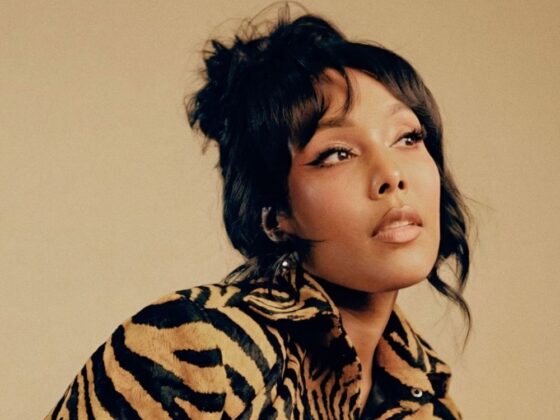
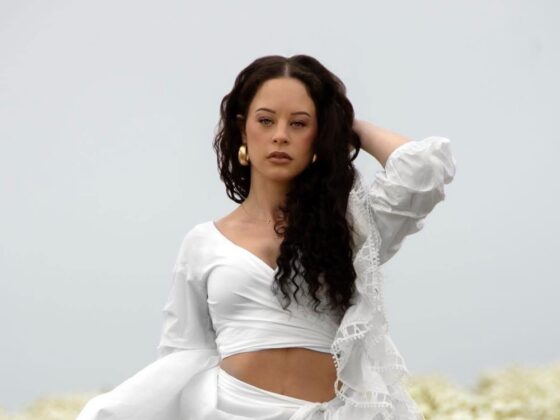
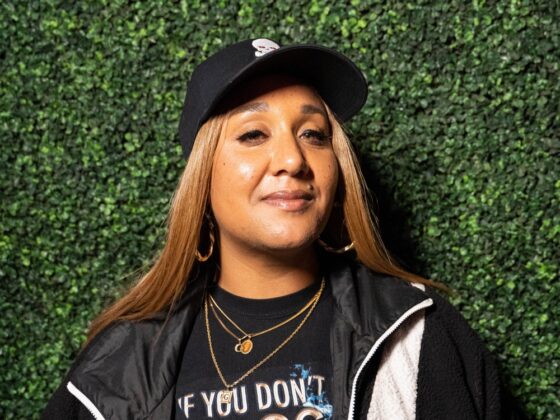
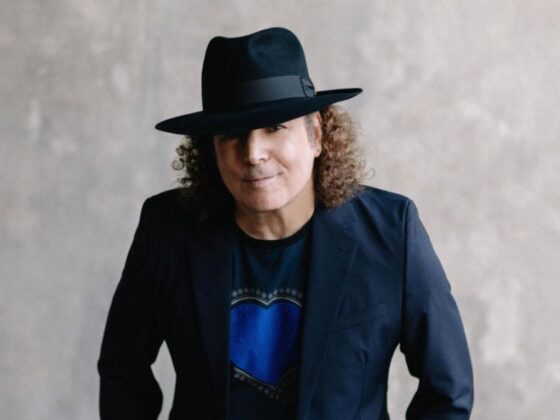
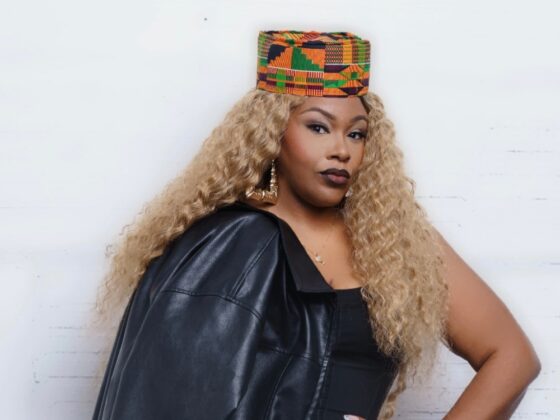
Before streaming platforms, algorithms, and viral moments reshaped how music is discovered, Tynisha Keli built her foundation the traditional way — through emotionally driven records that listeners carried with them long after the song ended. In the late 2000s, “I Wish You Loved Me” became one of those rare R&B moments that didn’t need industry push to resonate; it lived through MySpace playlists, word-of-mouth, and late-night replay sessions where the emotion felt personal, almost private.
While her name circulated in the U.S., it was Japan that first fully embraced her sound, turning The Chronicles of TK into a defining international moment. The project, along with records like “Shatter’d” and “Love Hurts,” connected because the feeling behind them was universal — vulnerability, melody, and honesty that didn’t need translation. At the same time, early industry experiences forced her to grow quickly, learning the realities of timing, ownership, and protecting her artistry while still developing it.
After stepping away to reset and rediscover herself, she continued creating through independent releases like The Underdogs and Dark Horses, keeping her voice alive even outside the spotlight. That persistence eventually led into a new creative chapter with James Artissen and Humble Sound Records, where artistic control, alignment, and intention sit at the center of her work. From that space came her latest single, “Standing On It,” a record rooted in confidence, reflection, and earned self-awareness.
Now, with The Chronicles of TK: The Phoenix taking shape, this era reflects more than a return — it reflects evolution. A grounded, intentional version of an artist who has lived through the highs, the pauses, and everything in between, now stepping forward with clarity and purpose.
In this conversation, she reflects on the records, moments, and turning points that shaped her journey from early breakthrough to her current creative rebirth.

Parlé Mag: When you look back at “I Wish You Loved Me,” what does that record represent in your story today?
Tynisha Keli: “I Wish You Loved Me” represents a defining moment in my journey — a record that introduced my voice, vulnerability, and emotional honesty to the world. Looking back now, it feels like the beginning of a connection I built with listeners who truly related to the emotion behind the music. It wasn’t just a song about heartbreak; it was about longing, honesty, and wanting to be understood. Even today, it reminds me that timeless music comes from real feelings, and I’m grateful it continues to resonate with people years later.
Parlé Mag: How did starting your career at a young age shape your foundation as an artist and performer?
Tynisha Keli: Starting young forced me to grow quickly, both creatively and personally. I learned discipline early through long studio sessions, performances, interviews, and constantly trying to improve my craft. It taught me how important work ethic is in this industry. At the same time, being introduced to the business side so early gave me awareness of how the industry operates. Those experiences built resilience and helped shape me into someone who values authenticity, preparation, and longevity over chasing quick moments.
Parlé Mag: What lessons from your early industry experience still guide you in the studio today?
Tynisha Keli: One of the biggest lessons is to trust emotion over perfection. Early in my career, I learned that people connect to honesty more than anything else. I also learned the importance of patience and protecting your creative instincts. Trends change constantly, but authenticity lasts. In the studio today, I focus on creating records that feel genuine rather than trying to force what’s popular. I’ve also learned how important collaboration and energy are. The best records usually come from environments where everyone feels creatively free.
 Parlé Mag: Why do you think your early music connected so strongly with international audiences, especially in Japan?
Tynisha Keli: Japan deeply connected to the vulnerability and melody in my records. There was sincerity in the music that people could feel regardless of where they were from. I also think international audiences appreciated the blend of R&B, soul, and pop influences because it felt emotional while still being melodic and accessible. The support I received internationally always meant a lot to me because it showed me how powerful music can be globally.
Parlé Mag: How did the Chronicles of TK era shape your identity as a recording artist moving forward?
Tynisha Keli: The Chronicles of TK was an important chapter because it allowed people to see me as more than just a single record. It gave me space to explore my artistry, storytelling, and emotional range. That era helped me understand the importance of building a body of work that reflects who you are creatively. It also taught me how to navigate growth publicly. At the same time, I stayed connected to the audience that supported me from the beginning.
Parlé Mag: What did navigating the 5th Element period teach you about ownership, timing, and the business side of music?
Tynisha Keli: That period taught me that talent alone isn’t enough — understanding the business is just as important as creating the music. I learned how timing, strategy, and ownership can affect an artist’s career in major ways. It made me more aware of protecting my vision. I now make decisions that align with long-term goals rather than short-term opportunities. Looking back, those experiences gave me wisdom and perspective. I carry them with me now as both an artist and a creative professional.
 Parlé Mag: What led to your decision to step away for a period, and what brought you back into music fully?
Tynisha Keli: At one point, I needed time to reconnect with myself outside of the industry. Music had been such a huge part of my life for so long. Stepping away gave me space to grow personally, heal, and gain clarity. But the connection to music never left. Eventually, I reached a point where I felt inspired again — not from pressure, but from purpose. Coming back into music felt natural because creating has always been part of who I am.
Parlé Mag: What does joining James Artissen and Humble Sound Records represent for you in this current chapter?
Tynisha Keli: It represents alignment, growth, and creative freedom. This chapter feels different because it’s built around vision, collaboration, and authenticity. Working with James Artissen and Humble Sound Records has created an environment where I can fully express myself creatively. It also allows me to keep evolving as an artist. He has a big heart, and there’s a mutual respect for artistry, which makes a huge difference. It feels like the beginning of something intentional and lasting.
Parlé Mag: Where were you creatively and emotionally when recording your single “Standing On It”?
Tynisha Keli: I was in a space of confidence, reflection, and growth. “Standing On It” came from understanding my worth and embracing everything I’ve experienced — both personally and professionally. Emotionally, the record represents strength and clarity. Creatively, I wanted the song to feel bold, soulful, and empowering. It still carries the emotional honesty people know me for.
Parlé Mag: How does “Standing On It” reflect where you are now compared to your earlier work?
Tynisha Keli: My earlier music carried a lot of vulnerability and emotional searching. “Standing On It” still has emotion, but it comes from a more grounded and confident place. It reflects growth, self-awareness, and resilience. Sonically, it also feels more evolved. It blends R&B with modern textures while still keeping the soulful core of my sound intact. The result feels like a woman who has lived, learned, and come back stronger.
 Parlé Mag: What does The Chronicles of TK: The Phoenix symbolize in terms of your evolution and rebirth as an artist?
Tynisha Keli: The Phoenix symbolizes transformation, rebirth, and rising through every challenge stronger than before. This project represents me embracing every chapter of my journey — the highs, the setbacks, the lessons, and the growth. It’s about rediscovery and stepping into a new version of myself creatively and personally. The title reflects resilience and the idea that evolution is necessary for longevity.
Parlé Mag: What does it mean to you to step onto major stages again, including Rolling Loud, in this new era of your career?
Tynisha Keli: It means everything because it represents a full-circle moment. Returning to major stages in this new era feels different. I’m stepping into it with more experience, confidence, and perspective. There is now a deeper appreciation for the journey. I also value the people who have continued to support me over the years. Performing again isn’t just about nostalgia — it’s about showing growth, celebrating evolution, and proving that purpose and passion never disappear.
Stay Connected with Tynisha Keli
SoundCloud: Tynisha Keli SoundCloud
Instagram: @theetynishakeli