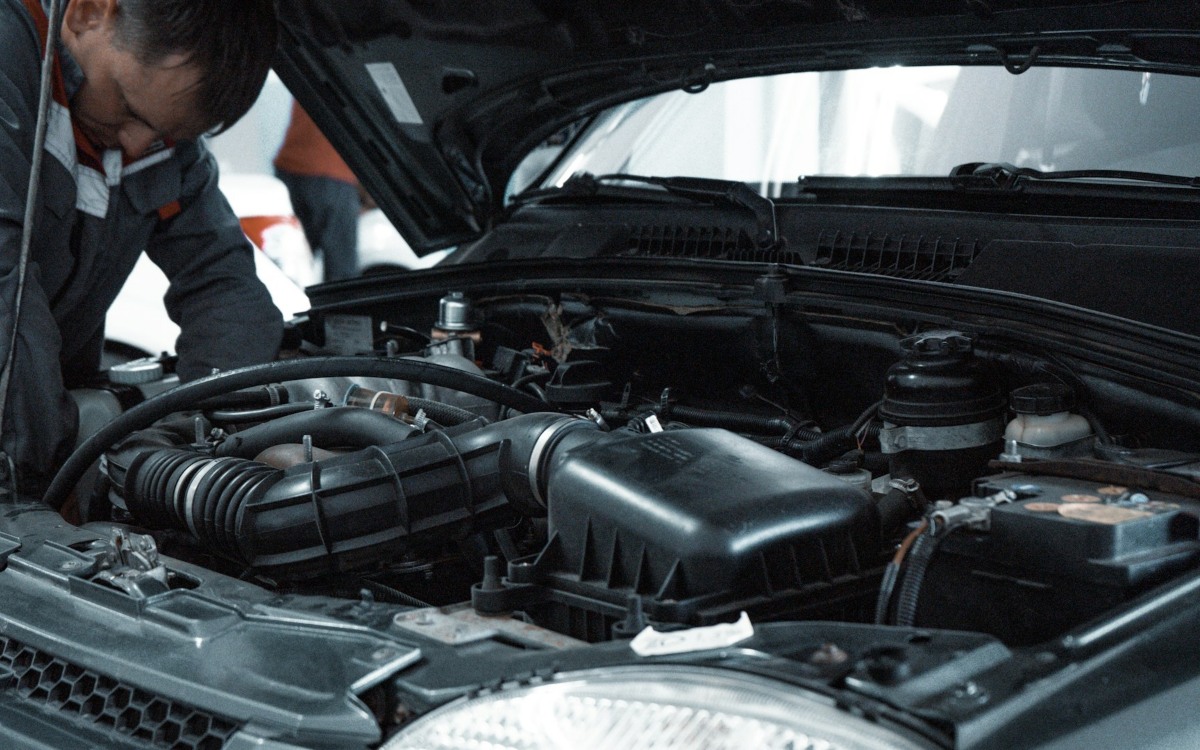
In Sarasota, Florida, regular vehicle care is part of preparing for more than a daily commute. Heat, humidity, heavy rain, coastal air, and heavy seasonal traffic can all put added demands on tires, batteries, cooling systems, and visibility equipment. Building a simple routine and scheduling timely Dodge service can help drivers catch concerns before they interrupt a trip to the beach, a drive across town, or a longer Florida road trip.
The goal is not to become a mechanic or inspect every vehicle component at once. Instead, use short weekly looks, a more complete monthly checklist, and seasonal inspections to notice changes early. Your owner’s manual should always be the primary guide because maintenance intervals differ by model, mileage, age, engine type, and driving habits.
Why Routine Care Matters
Routine maintenance helps reveal minor concerns while they are still manageable. A slow leak, worn wiper blade, weak battery, or uneven tire wear may not stop a vehicle immediately, but ignoring it can lead to a bigger repair or unsafe driving conditions. In Sarasota, where sudden afternoon downpours can quickly reduce visibility, dependable lights, wipers, brakes, and tire tread deserve consistent attention.
Focus first on the systems that support control and visibility: tires, brakes, fluids, steering, exterior lights, and the windshield. Drivers searching for jeep service near me should also bring their vehicle’s manual and recent service information, since accurate maintenance timing depends on the specific vehicle rather than a one-size-fits-all schedule.
Quick Weekly Checks
A weekly walk-around takes only a few minutes and is especially useful before heading north on I-75, driving through a storm, or leaving on a weekend trip. Start with a quick look beneath the vehicle for fresh fluid spots. Then check the windshield, mirrors, headlights, taillights, and camera areas for dirt, leaves, salt residue, or damage.
- Look for low tires, cracks, bulges, nails, or uneven tread wear.
- Confirm that dashboard warning lights turn off as expected after startup.
- Listen for new sounds while braking, turning, or starting the engine.
- Clear debris from the windshield cowl and parking sensors.
- Check that license plates, lights, and mirrors are clean and visible.
Monthly Maintenance Tasks
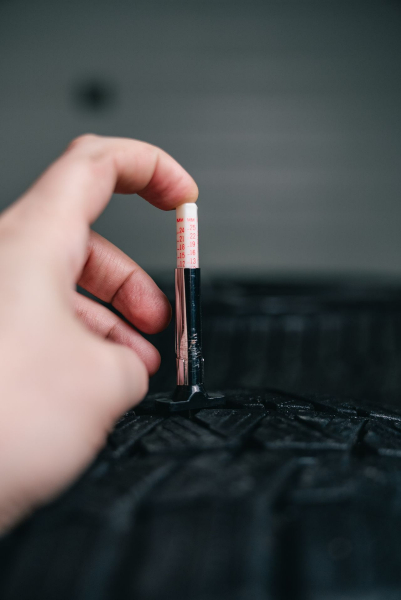
Set aside time once a month for a slightly more detailed check. Tire pressure should be measured when tires are cool, using the recommended PSI listed on the driver-side door placard or in the owner’s manual, not the maximum pressure printed on the tire sidewall. The tire maintenance guidance from NHTSA also emphasizes checking tread, damage, and inflation regularly, which is particularly important in Florida’s heat.
- Check the pressure of all tires, including the spare, if your vehicle has one.
- Inspect tread depth and look for cracking, cuts, bulges, or embedded objects.
- Check engine oil and accessible fluid reservoirs according to the manual.
- Test the washer spray and replace wipers that streak, chatter, or leave missed areas.
- Inspect the battery area for corrosion, loose connections, or swelling.
- Test headlights, brake lights, turn signals, hazard lights, and backup lights.
Seasonal Inspections for Sarasota
Spring and Summer
Sarasota’s hottest months can expose weak cooling systems and aging batteries. Before the strongest summer heat arrives, check coolant as directed by the manufacturer, watch for overheating, and make sure the air-conditioning system is working properly. Inspect belts and hoses for wear, and replace wipers before frequent rain makes a worn blade a visibility problem.
High temperatures can also affect tire pressure and tire condition. Check pressure regularly, especially before longer trips, and avoid assuming that a tire looks properly inflated. A tire-pressure monitoring alert is useful, but it does not replace a manual pressure check.
Fall and Winter
Florida winters are usually mild, but cooler mornings can reveal a marginal battery or low tire pressure. Test the heater and defroster, inspect the tread for wet-road traction, and keep an emergency kit with water, a flashlight, a phone charging cable, basic tools, and first-aid supplies. If traveling outside Sarasota during winter, review the weather and prepare for conditions that may be very different from the Gulf Coast.
Warning Signs That Need Attention
Some alerts should not wait for the next convenient appointment. Stop in a safe location and seek qualified help if the temperature gauge enters the danger zone, the oil-pressure light appears, a brake warning occurs, or you notice smoke, a strong burning smell, or a major fluid leak. A flashing check-engine light may indicate a more urgent engine issue than a steady light.
- A soft, vibrating, grinding, or unusually noisy brake pedal.
- Steering that pulls, feels loose, or becomes difficult to control.
- Strong shaking at highway speeds or while braking.
- Repeated slow cranking, dim lights, or battery problems.
- New knocking, squealing, clicking, or grinding sounds.
- Tire damage, rapid air loss, or a warning that returns after inflation.
When in doubt, take a change in vehicle behavior seriously. The maintenance timeline published by AAA reinforces the value of addressing tire, brake, fluid, and dashboard concerns promptly rather than hoping they disappear.
How to Prepare for a Service Visit
Clear details help a technician diagnose a problem efficiently. Before the appointment, write down when the issue started, how often it happens, and whether it occurs during braking, turning, accelerating, starting, or highway driving. Take a photo of any warning light, and bring maintenance receipts if they are available.
- Describe the symptom without trying to diagnose the part yourself.
- Note the date, mileage, weather, and driving conditions when it occurs.
- Ask which repairs are urgent and which services can be planned later.
- Request an explanation of labor, parts, taxes, and recommended work.
Why Maintenance Records Matter
A basic maintenance log can prevent missed services and make ownership less stressful. Use a phone note, folder, spreadsheet, or vehicle app to record the date, mileage, service completed, cost, and next recommended interval. Keep receipts for oil changes, tire rotations, inspections, battery replacement, and larger repairs. Organized records can also support warranty questions and make a vehicle easier to evaluate when selling or trading it.
Common Car Maintenance Questions
How often should a vehicle be serviced?
Follow the owner’s manual, then adjust for real-world use. Frequent short trips, stop-and-go traffic, towing, high heat, and long periods of sitting may affect service needs.
Can drivers perform basic maintenance at home?
Most drivers can safely check tire pressure, lights, wipers, visible fluid levels, and general exterior condition. Brake, steering, suspension, electrical, and high-voltage repairs are better left to trained professionals.
What maintenance should not be delayed?
Do not postpone brake concerns, overheating, severe tire damage, major leaks, steering problems, or warnings that affect vehicle control. Responding early can protect both safety and your repair budget.
A Simple Plan for Better Vehicle Care
Safer driving in Sarasota begins with consistency. A brief weekly look, a monthly checklist, weather-aware seasonal inspections, and prompt attention to warning signs can create a reliable maintenance habit. You do not need perfect mechanical knowledge. You only need to notice meaningful changes, follow the manufacturer’s guidance, and act before a small concern turns into a roadside problem.