Before R&B became something divided into eras, playlists and algorithms, some of its best music came from rooms you wished you could have been in.
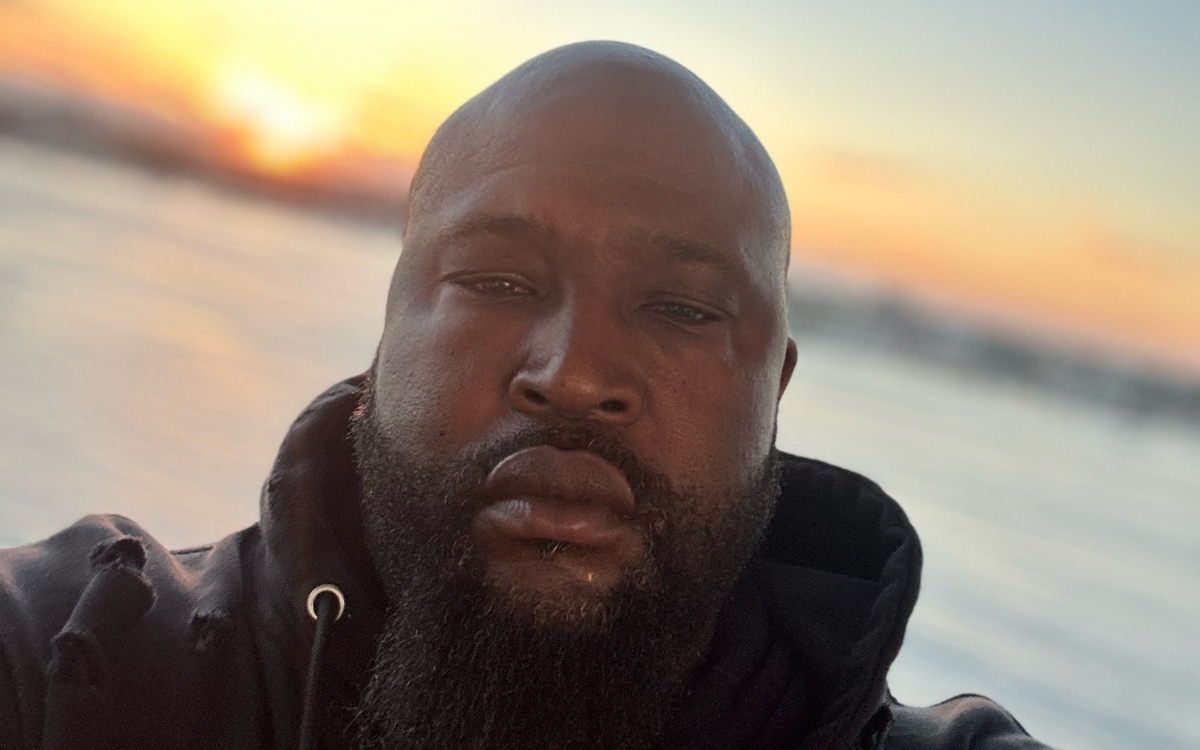
One of those rooms belonged to Jodeci’s DeVanté Swing.
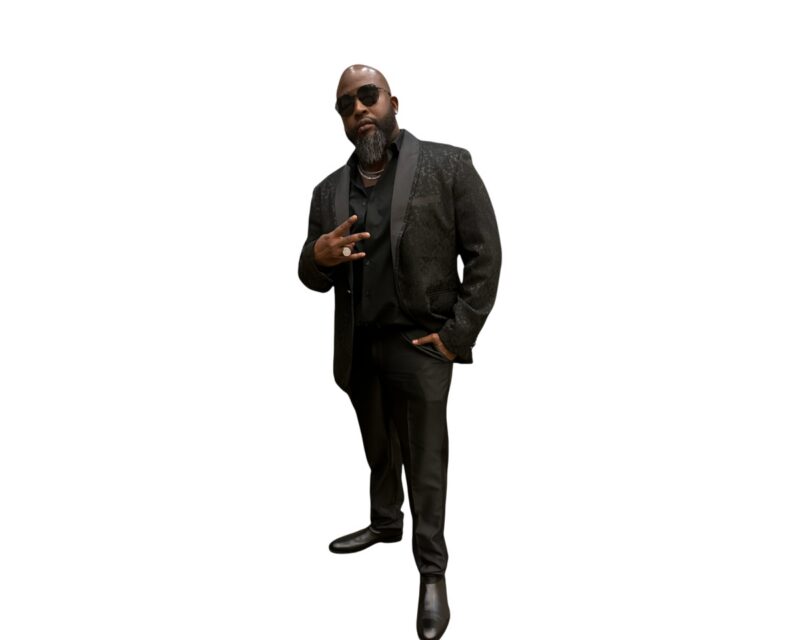
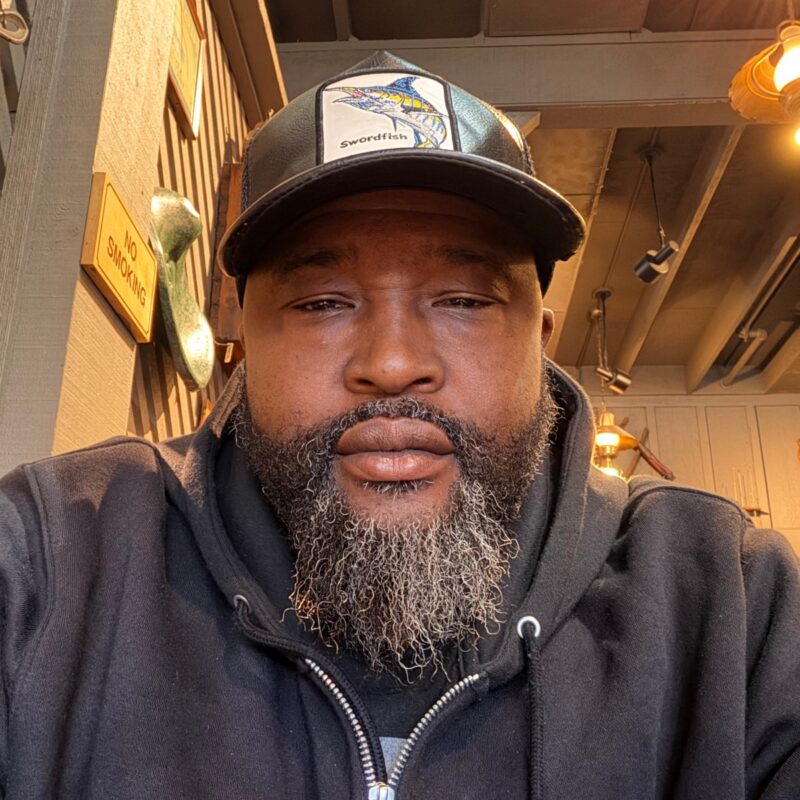
Inside his legendary Da Bassment collective, a generation of talent helped reshape ’90s R&B and Hip-Hop. Among them was Benjamin “Black” Bush—Digital Black, one-third of Playa alongside Smoke E. Digglera and the late, influential Static Major. Coming up in the same creative family as Timbaland, Missy Elliott and Ginuwine taught Black the craft from the inside out—songwriting, production, harmonies and, above all, how to make music feel lived rather than manufactured.
Playa’s “Cheers 2 U” became a defining moment, but never the entirety of Black’s story. More than three decades later, he has experienced R&B from nearly every angle—singer, songwriter, producer and vocal architect. In 2018, he and Smoke joined Dru Hill, connecting two R&B bloodlines while helping carry another celebrated legacy forward.
And the story continues.
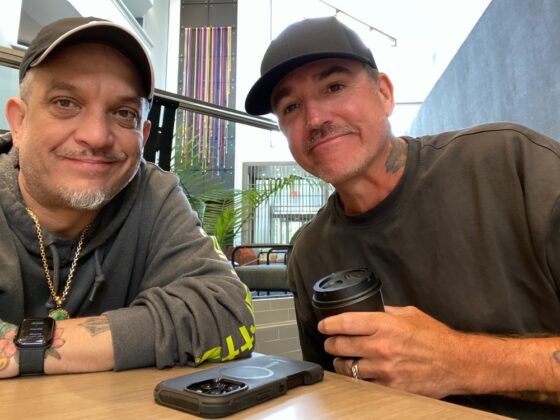
Together with Alan Healy and Todd White, the trio is collectively known as 3 The Hardway, whose “Momma Said” taps into something almost universal: those things Mom told you that didn’t completely make sense until love, loss, mistakes, responsibility and life itself finally provided the translation.
For Black, it feels full circle.
Da Bassment gave him a classroom. Playa gave him a brotherhood. “Cheers 2 U” gave the world an introduction. Static Major remains an indelible part of the story. Dru Hill opened another chapter. And 3 The Hardway shows there are still pages left to write.
This isn’t a comeback story because Digital Black never really left. It’s evolution without abandoning the foundation.
From Da Bassment to Playa, Dru Hill to 3 The Hardway, the hunger remains.
It just comes with wisdom now.
Parlé Mag: “Momma Said” already feels like one of those records that carries real life in it. What kind of headspace were you in when this song came together, and why did now feel like the right time for it?
Digital Black: I was in a very reflective place. At this point in my life, I’ve experienced enough to understand that some of the things my mother told me when I was younger didn’t always make sense to me then—but they make a whole lot of sense to me now. “Momma Said” came from that place of looking back, appreciating those lessons, and realizing how much of who I am today was shaped by those conversations. It felt like the right time because I’m at a point where I’m not just making music—I’m trying to leave something meaningful behind.
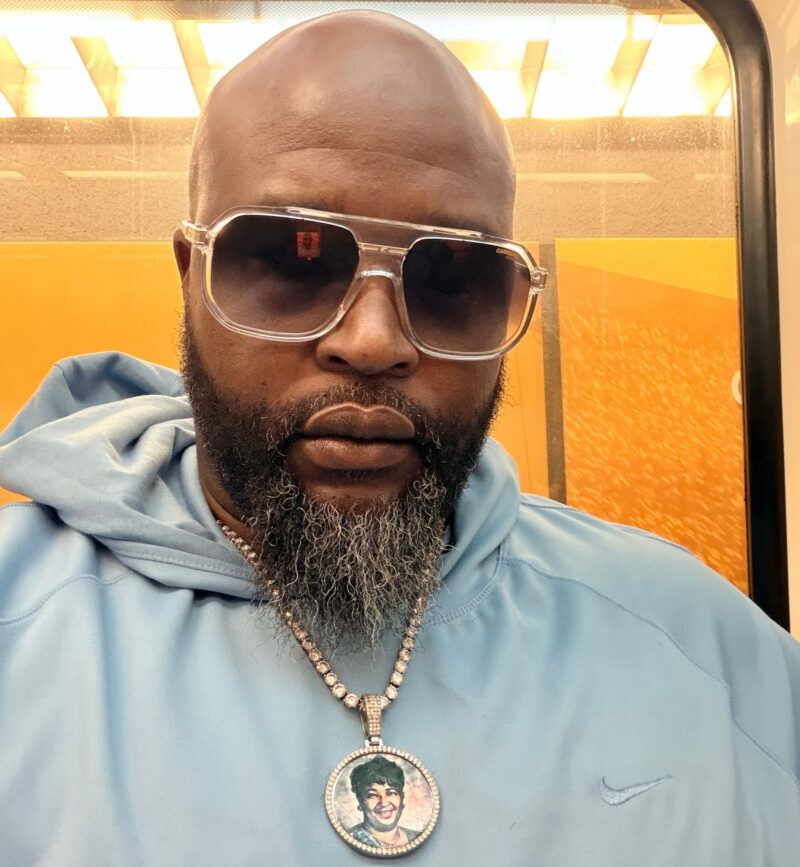
Parlé Mag: Coming from the Playa and Da Bassment era—where soul, pain, and storytelling all lived in the same record—does “Momma Said” feel like a return to that kind of timeless R&B honesty?
Digital Black: Absolutely. That era taught us that R&B could tell the truth. You could talk about love, heartbreak, struggle, family, mistakes—all of it—and still make it musical. “Momma Said” comes from that same place. I’m not trying to chase a trend. I’m trying to tell a story that somebody can hear 10 or 20 years from now and still say, “Man, I’ve been there.”
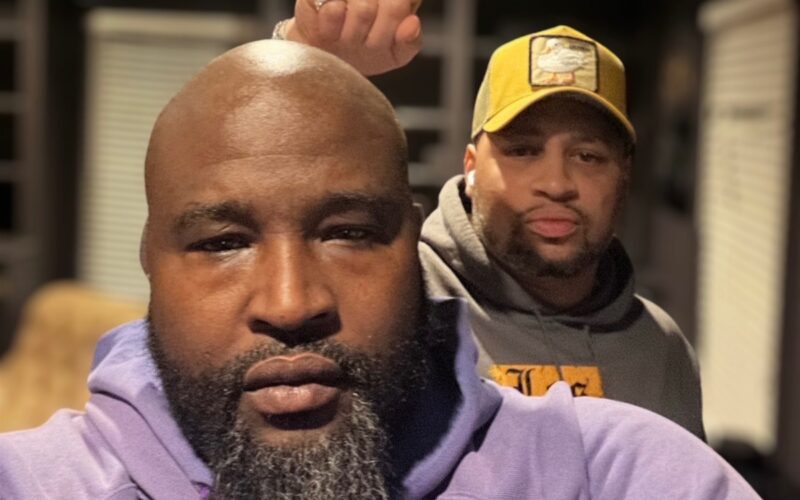 Parlé Mag: You’ve been part of some important chapters in R&B history, from Playa to writing and vocal production to now standing with Dru Hill. When you look back, what part of your musical journey still feels the most personal to you?
Digital Black: Playa will always be extremely personal because that was my brotherhood, my foundation, and a huge part of who I became as an artist. But honestly, every chapter has taught me something different. Writing and vocal production taught me how to listen. Being an artist taught me how to express myself. Dru Hill has taught me about brotherhood, legacy, and responsibility. When I look back, I don’t see separate chapters—I see one journey that brought me to who I am today.
Parlé Mag: As a founding member of Playa, your voice and pen helped define a certain era. When you hear records like “Cheers 2 U” now, what do they remind you about who you were then versus who you are today?
Digital Black: They remind me of hunger. We were young, passionate, and fearless. We wanted people to hear our voices and understand where we were coming from. When I hear those records now, I hear that young man who was trying to find his place in the world. The difference is, today I know myself a lot better. I still have that hunger, but now it comes with experience.
Parlé Mag: You’ve worked behind the scenes with major names like Aaliyah, Ginuwine, Jodeci, and more. How did that era shape your ear, your pen, and the kind of artist you’ve become over time?
Digital Black: That era was like going to school every day. I was around people who were incredibly gifted, and I paid attention to everything—the harmonies, the arrangements, the writing, the emotion, even the spaces between the notes. Working with artists like Aaliyah, Ginuwine, and Jodeci showed me that the best records aren’t just about having a great voice. It’s about making people feel something. That lesson has stayed with me my entire career.
Parlé Mag: When you officially joined Dru Hill in 2018, you stepped into a group with a legendary legacy of its own. What did it mean to become part of that brotherhood and help carry that sound into a new era?
Digital Black: It was an honor, but it was also a responsibility. Dru Hill had already created something special before I came into the picture. I understood that I wasn’t walking in to erase what came before me—I was coming in to add another voice to the story. The brotherhood is probably the biggest part of it for me. We’re carrying something that means a lot to people, and I take that seriously.
Parlé Mag: The “Smoke N Black Dragon” chapter showed another side of your chemistry with Smoke and Sisqó. What did that creative run unlock for you, and how did it add to your evolution within Dru Hill?
Digital Black: It gave me another opportunity to just create without putting myself in a box. When you’re around artists with different personalities and creative instincts, you learn how to adapt while still maintaining your identity. That chemistry brought out different sides of me vocally and creatively. It reminded me that even after all these years, I still have room to grow.
Parlé Mag: “Momma Said” sounds like the kind of record only a man who’s lived, lost, learned, and grown could make. How much of this song comes from experience, and how much of it comes from reflection?
Digital Black: I’d say it’s both. You can’t really have reflection without experience. I’ve made mistakes and lost people. I’ve loved, been disappointed, and celebrated. Along the way, I’ve learned some lessons the hard way. And I’ve also learned to appreciate the lessons that were given to me before I was mature enough to understand them. “Momma Said” is really those two things meeting each other—what I lived through and what I understand now.
Parlé Mag: There’s a warmth and wisdom in this title alone. Was “Momma Said” always meant to feel like a conversation with the past, or did it become that as the song took shape?
Digital Black: I think it became that naturally. The more I got into the song, the more it felt like I was sitting down, having a conversation with my mother, and hearing those words all over again. That’s what made it special to me. It’s not just a song about what somebody told me. It’s about finally understanding why they told me.
 Parlé Mag: A lot of artists from your era are still active, but not everyone is still creating with purpose. What keeps Digital Black inspired to keep making music that feels honest, soulful, and rooted?
Digital Black: Purpose. At this stage, I don’t feel like I have anything to prove. I make music because I still have something to say. That’s a different kind of freedom. I’m not trying to make a record just because I need another record. I want to create something that has meaning. If somebody can hear one of my songs and feel understood, encouraged, healed, or inspired, then I’ve done what I came to do.
Parlé Mag: As Dru Hill continues to celebrate its legacy while still recording and touring, how do you balance honoring the past while still making sure your voice and your chapter in the story stay present?
Digital Black: You honor the past by respecting it, not by living in it. I’m incredibly proud of everything that came before me, but I’m also still here creating. That’s the balance. When we’re on stage performing those classic records, we’re celebrating the history. When we’re making new music, we’re creating history. I think both things can exist at the same time.
Parlé Mag: Looking ahead, what do you want “Momma Said” to represent—not just as a single, but as a statement about where Digital Black is now and where you’re still headed?
Digital Black: I want “Momma Said” to represent growth. I want people to hear it and understand that there’s still more to Digital Black. I’m not the same man I was when I made records with Playa, and I shouldn’t be. I’ve lived a lot of life since then. I’ve learned, I’ve grown, and I have more stories to tell.
If “Momma Said” can remind somebody to listen to the wisdom they were given, appreciate their parents while they’re here, or simply understand that it’s never too late to grow, then the record has accomplished something bigger than a single.
And I’m still writing the next chapter.
Get Connected with Digital Black
Instagram: @blackplaya502