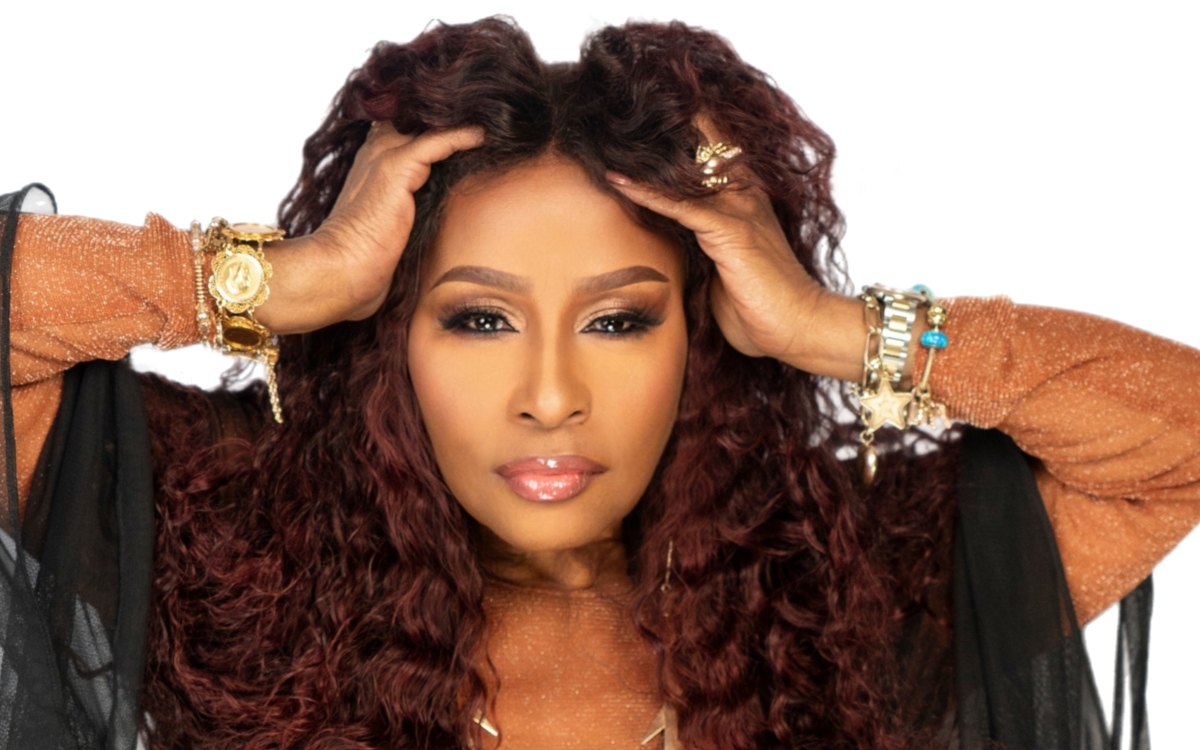
Before the world knew her as Chaka Khan, there was Yvette Marie Stevens — a young woman with music running through her veins and no idea that her voice would eventually become part of the soundtrack of generations.
Then came Rufus and “Tell Me Something Good,” “Sweet Thing” and “Ain’t Nobody.”
Then came the solo breakthrough, “I’m Every Woman,” followed by “I Feel for You,” the Prince-penned classic that brought funk, R&B, pop and hip-hop together in one unforgettable collision. Somewhere along the way, Chaka stopped being simply an artist and became a reference point.
She didn’t just participate in the evolution of popular music — she helped move it forward. Funk, soul, jazz, gospel, rock, pop — Chaka could cross musical borders without ever losing her identity. Eleven Grammys, the Rock & Roll Hall of Fame and a Grammy Lifetime Achievement Award later, the accolades tell part of the story. The music tells the rest.
And the story kept moving.
In 2025, Chaka joined Gladys Knight, Patti LaBelle and Stephanie Mills for “The Queens! 4 Legends. 1 Stage.” tour, bringing four extraordinary careers together on one stage. After two legs in 2025, the powerhouse lineup returned for a third leg in 2026, concluding May 31 in Jacksonville, Florida.
Then Chaka turned the page and returned to her own musical canvas.
That canvas is Chakzilla.
Released September 18, 2026, Chakzilla is Chaka Khan’s first full-length studio album since 2019’s Hello Happiness. Released through her EarthSong imprint via BMG, the 10-track project isn’t a trip backward to recreate what once was. It’s Chaka in the present tense — adventurous, playful, powerful and still willing to explore.
Working alongside Sia and Grammy-winning producer Greg Kurstin, Chaka brings together an eclectic cast of collaborators. Snoop Dogg joins her on “Boogie’s in My Soul.” Lenny Kravitz steps in for “Bring the Party.” Sia co-writes the title track and appears on “Cool You Down.” Then there’s “Curious Subject,” a title that could almost serve as a mission statement for this chapter.
Chakzilla carries joy, self-love, freedom, funk, R&B and pop, but underneath it all is something even more important: movement. Chaka isn’t attempting to recreate the woman who first walked into the spotlight. She’s bringing everything she’s lived through into the present and allowing it to inform whatever comes next.
That’s the beauty of this chapter.
The young Yvette who found a home in music became the voice of Rufus. That voice became Chaka Khan. Chaka became an icon whose records crossed generations and whose influence reached artists who weren’t even born when some of those songs first hit the radio.
Now, more than five decades into an extraordinary journey, she has given herself another reason to turn the page.
Chakzilla isn’t a victory lap.
It isn’t an exercise in nostalgia.
It’s the latest chapter from an artist who has already given the world plenty to remember — and clearly isn’t finished giving us something new to discover.
The Queen of Funk isn’t living in her legacy.
She’s living her life.
And the music is still coming with her.
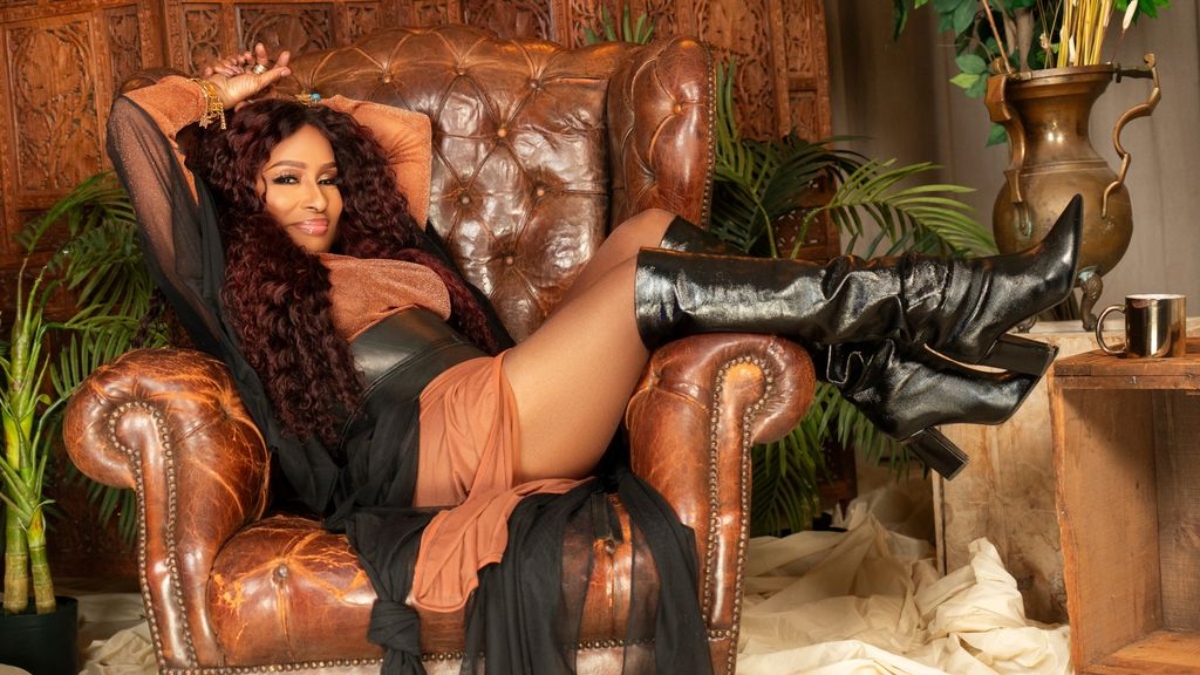
Parlé Mag: Before the world knew the name Chaka Khan, there was Yvette Marie Stevens. When you look back at that young artist, what do you remember about the dream before the fame, the Grammys, and the legacy?
Chaka Khan: I never thought about Grammys or fame or any of that. Music gave me a place to put everything I was feeling at the time. And I knew how music made me feel.
Parlé Mag: When Rufus introduced the world to that unmistakable voice on songs like “Tell Me Something Good,” did you realize you were helping define the sound, attitude, and spirit of an entire generation of funk and soul?
Chaka Khan: We were making music. We weren’t sitting around saying, “We’re defining a generation.” We were young and, really, we were having fun. You don’t know you’re making history while you’re making it. You find out about history later.
Parlé Mag: What did those early years with Rufus teach you about owning your presence, trusting your instincts, and understanding the power you carried as a performer?
Chaka Khan: The stage taught me to trust myself. You can’t hide up there, whether it’s in front of 10 people or 10,000. They know when you’re giving them something real, and they know when you’re not. I was never interested in being perfect. I wanted to be present. There’s power in knowing you belong exactly where you’re standing.
Parlé Mag: When did you first understand that your voice was not just an instrument, but a way to connect with people’s lives?
Chaka Khan: I learned pretty early that singing isn’t about showing people what you can do. It’s about making them feel something. It can make somebody happy, make them cry, dance, fall in love, or remember something. That’s the power of music, and I honor that. The truth is what reaches people.
Parlé Mag: What do you think allowed your music to cross generations, cultures, and genres while still remaining authentically Chaka Khan?
Chaka Khan: All music is freedom. I’ve never liked being boxed into a category. Funk, jazz, rock, R&B — those are names people put on things. I just hear and feel music. If something really moves me inside, I’m there. I think people can feel when you’re being authentic. Trends change. Technology changes. But the truth is always there.
Parlé Mag: When you recorded “I’m Every Woman,” did you sense that you were creating something that would live far beyond the charts?
Chaka Khan: That song really is every person’s song. I didn’t know we’d still be talking about it all these years later. Everyone makes it their own. When I hear people sing it back to me, it doesn’t belong only to me anymore. It belongs to everyone. That’s a beautiful thing.

Parlé Mag: Looking back on “I Feel for You,” did you realize you were part of a moment that would help shape the future of popular music?
Chaka Khan: Again, we weren’t sitting in the studio trying to invent the future. We were making something that felt exciting. I love Prince, and he wrote an incredible song. Then, with Melle Mel and everything that came together on that record, it became this collision of worlds. Hip-hop was becoming a culture, and that record brought rap to a lot of people who hadn’t heard it on a pop record before. I didn’t know it then, but I can see now how important that moment was. At the time? We were just trying to make something cool.
Parlé Mag: What has kept your creative spirit curious after more than five decades in an industry that constantly tries to put artists into categories?
Chaka Khan: Staying curious. Curiosity and creativity go together, and that’s everything. The minute you think you know it all, you’re done. And this generation is special. They just know when something is good and when it’s not.
Parlé Mag: What do you think young vocalists sometimes misunderstand about having a great voice?
Chaka Khan: A singer should believe in themselves. You can hit every note in the world and it still doesn’t feel right. A song should tell a story. Sometimes the note that cracks is the one that breaks somebody’s heart. That’s where the magic is.
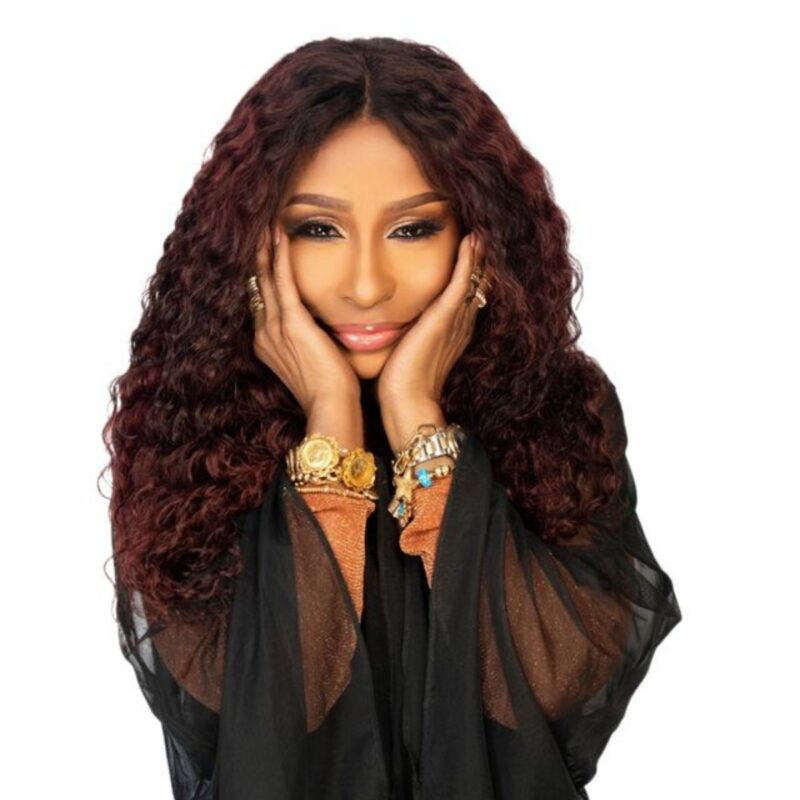
Parlé Mag: What parts of the artist’s journey do you think have changed the most, and what parts will always remain the same?
Chaka Khan: Everything is faster now. Artists can reach people instantly with social media, which is great, but there’s also so much pressure to constantly be seen and heard. There used to be more mystery around artists, and I think we’ve lost a little of that. The way music gets to people will always change. But that can’t make people care. That still comes from the music and the artist.
Parlé Mag: What moments still make you stop and appreciate the incredible journey of Chaka Khan?
Chaka Khan: It’s the people. The awards are beautiful, and I’m grateful for them, but somebody coming up to me and saying, “Your music got me through something,” can stop me in my tracks. I think, that’s why I do this. And seeing young people who weren’t even born when some of these records were made knowing every word? That’s wild to me. I don’t take that love for granted.
Parlé Mag: What do you hope people understand about the woman behind the legendary voice?
Chaka Khan: There’s a song on the album, “Curious Subject.” That’s me. Still curious, creating and becoming. I’m having an incredible life doing what I love, traveling around the world, meeting new people, and I’m grateful for every bit of it. But I was a real person before that title they gave me. I’m a mother, a grandmother, a daughter, a sister, a friend, and a human being. I’ve made mistakes, learned some things, and just kept moving. I laugh a lot, and I don’t take things so seriously. I’m not interested in living in my legacy. I’m interested in living my life.
Stay Connected With Chaka Khan
Chaka Khan Official Website
Instagram: @chakakhan