
Key Takeaways
- Comprehensive insurance coverage is vital for protecting small businesses against unexpected risks.
- Regularly reviewing and updating insurance policies ensures alignment with evolving business needs.
- Understanding different types of insurance helps in making informed decisions tailored to your business.
Running a small business offers many rewards, but it comes with its fair share of risk. From the possibility of a sudden accident on your premises to the threat of digital breaches, ensuring that your business is protected is essential for long-term success. With the right insurance strategy, you can shield your business from incidents that could threaten your financial stability. For more details on policy options, you can visit https://www.thehartford.com/business-insurance for comprehensive business insurance solutions.
Many small business owners underestimate the importance of robust insurance coverage until a crisis occurs. However, building a safety net before disaster strikes is one of the wisest investments you can make. By proactively addressing vulnerabilities, you set the foundation for uninterrupted growth and peace of mind.
Insurance is not a one-size-fits-all purchase. The ideal coverage for your business should be customized to match your operations, location, and unique exposures. Carefully reviewing your risks and choosing the correct policies will keep your business on solid ground, no matter what the future holds.
Understanding General Liability Insurance
General liability insurance is a fundamental policy for any small business. It provides critical protection against lawsuits resulting from bodily injury, property damage, or personal injuries that may take place on your premises or as a result of your operations. For instance, if a customer slips and falls in your store, the insurance would cover medical costs and legal fees arising from the incident. This type of coverage is a baseline safeguard that every small business should carry, regardless of industry.
Besides these core protections, general liability insurance can also protect businesses from claims arising from advertising mistakes, such as copyright infringement or libel, which can occur in marketing materials or during client interactions. The flexibility of this coverage ensures that your company can continue operating while legal matters are resolved, preserving both its reputation and its future revenue.
The Importance of Property Insurance
If your business owns physical assets, property insurance is essential. This coverage protects the buildings, equipment, and inventory you rely on daily from disasters like fire, theft, or storms. Having insurance in place ensures that you do not bear the cost of replacing damaged or stolen items alone. Property coverage not only expedites recovery but also ensures your business gets back to serving customers as quickly as possible.
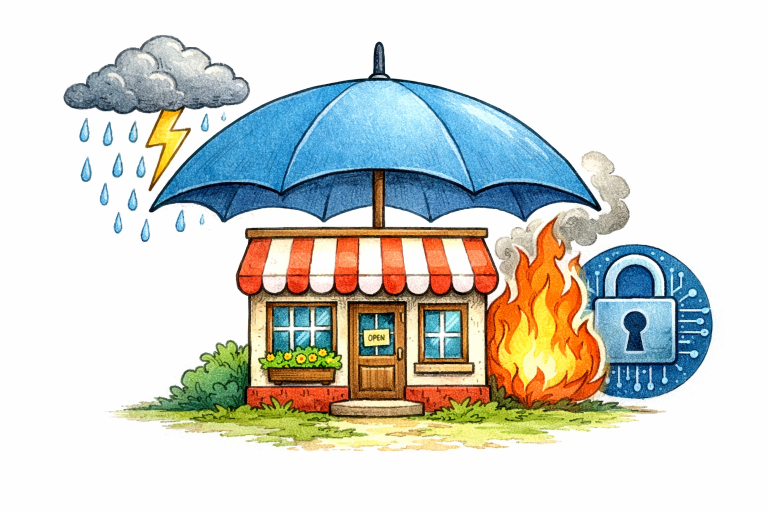
Another crucial aspect of property insurance is coverage for business interruption resulting from property loss. This feature can make a significant difference if your location is temporarily unusable. It helps you recover lost income and pay ongoing bills while repairs are made, ensuring your operations don’t grind to a halt due to circumstances beyond your control. Additionally, many providers offer specialized add-ons, such as equipment breakdown or flood coverage, increasing the customization options for businesses with specific needs.
Workers’ Compensation: A Legal Necessity
Most states require businesses with employees to carry workers’ compensation insurance. This coverage supports workers who are injured or become ill as a result of their job by covering their medical expenses and lost wages. It also shields businesses from potential litigation connected to workplace accidents. Ensuring you adhere to state laws helps maintain compliance and fosters employee trust and workplace safety.
By providing this essential benefit, you not only safeguard your employees’ wellbeing but also demonstrate that you value their contributions. Coverage can also help reduce downtime by supporting employees’ rehabilitation and a prompt return to work, ultimately contributing to higher workplace morale and improved productivity.
Cyber Liability Insurance in the Digital Age
The growing dependence on technology and digital platforms introduces new risks, such as data breaches and cyberattacks. Cyber liability insurance covers costs associated with these digital threats, including customer notification, credit monitoring, and legal expenses if sensitive information is compromised. As businesses handle increasing volumes of confidential customer and financial data, this form of coverage becomes indispensable.
Beyond basic coverage, cyber liability insurance can assist in the recovery process by paying for IT forensics, data restoration, and even public relations efforts to rebuild trust. As cyber threats become more sophisticated, reviewing your coverage limits and ensuring employees are trained in cybersecurity best practices are vital steps in mitigating risk in the digital landscape.
Business Interruption Insurance: Ensuring Continuity
Many threats can temporarily close your business, resulting in lost income. Business interruption insurance compensates for lost revenue during periods when you cannot operate due to a covered event, such as a natural disaster or significant property damage. This safety net can help cover rent, payroll, and other ongoing expenses, keeping your business afloat during tough times.
Additional benefits might include coverage for temporary relocation expenses or extra costs incurred to speed up the recovery process. This adaptability means your business can be better prepared for prolonged closures, minimizing financial disruption and maintaining customer relationships when normal operations resume.
Professional Liability Insurance for Service Providers
Businesses that provide specialized services or expert advice, such as consultants or financial advisors, need professional liability insurance. Also referred to as errors and omissions insurance, this policy protects against claims of negligence, misrepresentation, or failure to deliver a service as promised. Even one small oversight or miscommunication could lead to significant financial consequences without this coverage in place.
This type of insurance is especially important in industries where professional judgment can be subjective and mistakes costly. Clients rely on your expertise, so, should an error occur—whether actual or perceived having protection in place can mean the difference between a manageable issue and a business-ending dispute.
Regular Policy Reviews: Keeping Coverage Current
As your business grows and changes, so do the associated risks. Regularly reviewing your insurance portfolio ensures your coverage reflects current operations, expansions, or new lines of service. This ongoing evaluation can identify and close protection gaps before they become costly problems. Reviewing policies at least annually is a best practice for responsible risk management.
Scheduling these reviews with your insurance agent or broker ensures you stay informed about industry changes, regulatory shifts, and emerging threats relevant to your business. Open communication creates the opportunity to secure better rates, bundle policies, or unlock discounts as your business matures.
Final Thoughts
Investing in comprehensive insurance for your small business is crucial for longevity, security, and growth. By choosing suitable policies from the start and updating them as your business evolves, you can safeguard against the unexpected and navigate challenges with confidence. Staying proactive about your coverage will position your business for lasting success and resilience in a changing marketplace.
With an informed risk management approach, you can devote more attention to innovation, customer service, and other priorities that drive your business forward. Insurance is more than an expense, it’s a powerful tool that fosters a proactive mindset, empowering you to build a sustainable, thriving business.