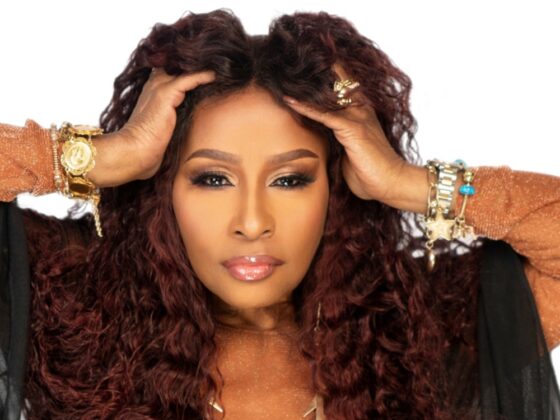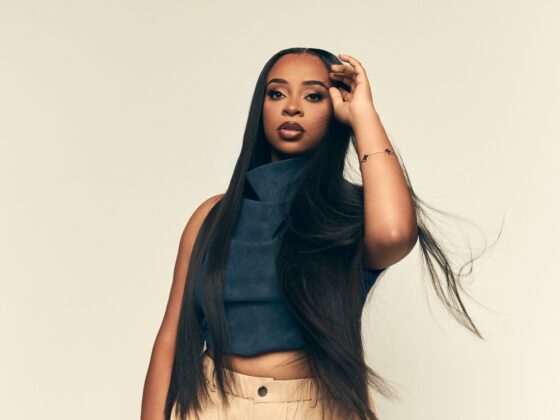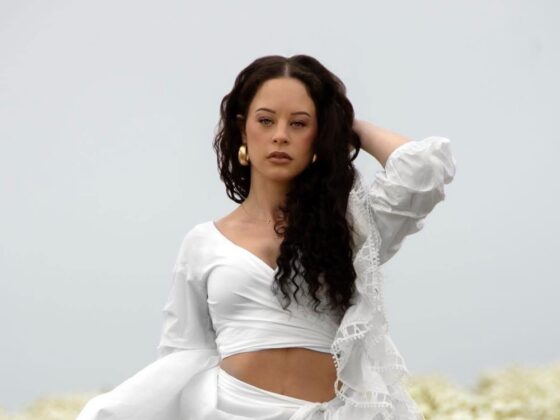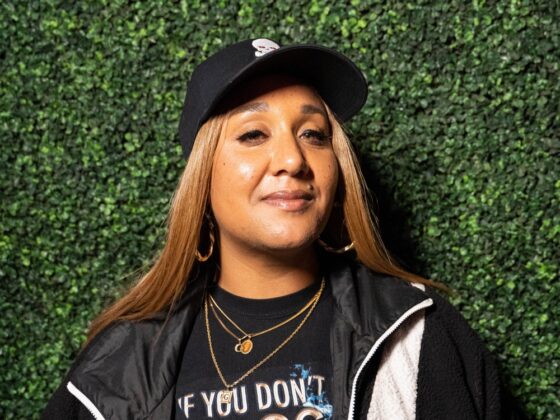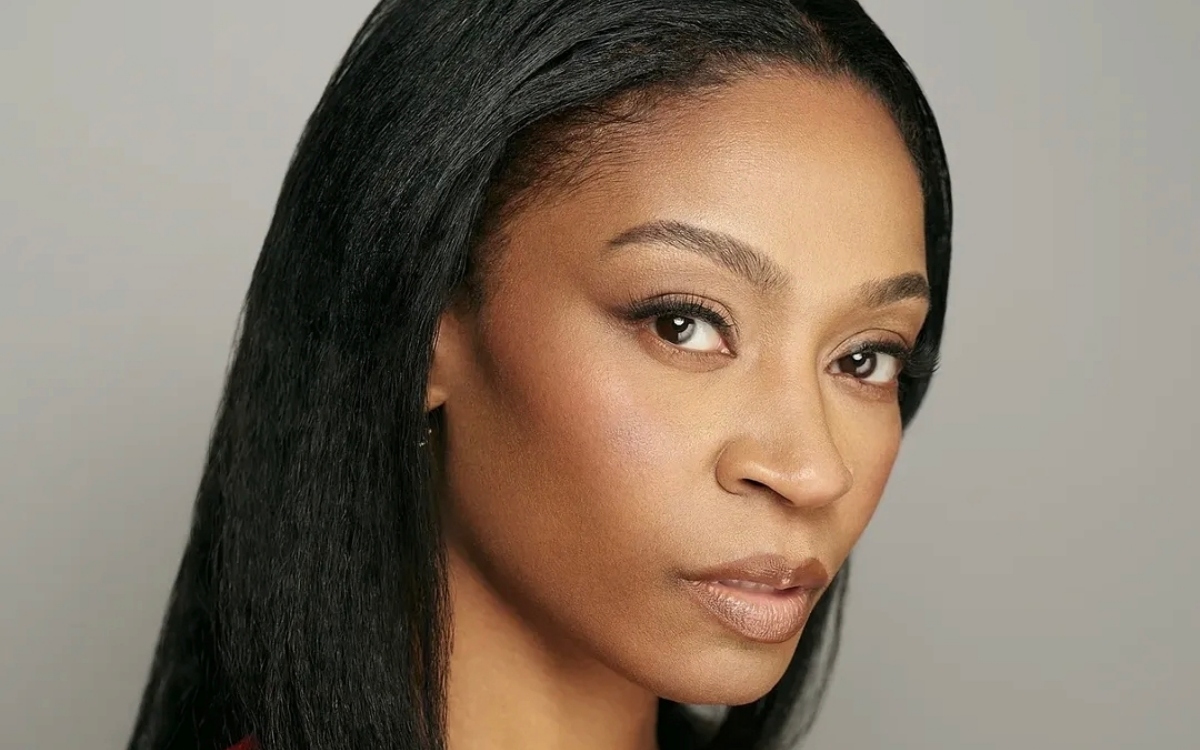
Before Making the Band, there was Wanita Woodgett—a young artist from Springfield who found her way through Atlanta and New York, training in dance, theater and music and learning early that being an artist is a lifelong journey.
From Tri-Cities High School and the Freddie Hendricks Youth Ensemble to the Alvin Ailey School and NYU, Wanita was putting in the work long before the cameras arrived. Then came MTV, Making the Band and Danity Kane.
The rest became history.
The original five—Aubrey O’Day, Aundrea Fimbres, Dawn Richard, Shannon Bex and D. Woods—made Billboard history with two consecutive No. 1 albums. But behind the television drama was something people often forget: five young women who could really sing, dance, perform and create.
And D. Woods was always more than the storyline.
A singer. Songwriter. Dancer. Actress. Theater artist. Entrepreneur. Mentor. A true multi-hyphenate whose talents never fit neatly inside one box.
When Danity Kane ended, she didn’t.
She went back to the theater, dance studios and recording studios, launched Woodgrane Entertainment, released independent music, developed mentorship work and continued building across music, film, television and theater—including For Colored Girls…, and her deeply personal MY LIVING ROOM SELF.
Even the name tells part of the story. D. Woods was created to protect Wanita. Later, Wanita became the name protecting D. Woods. Today, those two sides no longer need to compete.
They get to coexist.
And Danity Kane’s latest chapter has been complicated. Following the 2025 reunion and Untold Chapter Tour, disagreements over 2026 touring plans led to another public fracture, with Aubrey O’Day stepping away from the active touring configuration while D. Woods and Aundrea Fimbres continued forward.
But the bigger story isn’t the latest chapter of Danity Kane.
It’s D. Woods finally owning every chapter of herself.
The girl from Springfield. The artist from Atlanta. The NYU student. The Danity Kane member. The independent creator. The actress. The entrepreneur. The mentor.
Wanita became D. Woods. D. Woods became part of Danity Kane. And now D. Woods gets to decide what comes next.
The story was never over.
She just finally gets to hold the pen.
Parlé Mag: Before Making the Band, there was Wanita Woodgett—the girl from Springfield who trained in the performing arts and eventually found her way to Atlanta and New York. What did that younger Wanita understand about being an artist that you still carry with you today?
D. Woods: I had some great teachers and mentors in Springfield, in Atlanta at Tri-Cities High, and in New York at the many institutions where I trained and interned. Being an artist is a lifelong journey, and there is always more to learn about the craft and yourself.
I was taught to always challenge myself, keep working on my skills, deepen my work, and never get complacent. One of my acting teachers told my class, “You all will be great artists when you live more life.”
Parlé Mag: You had serious training through the Alvin Ailey School and NYU’s Tisch/Gallatin world before millions of people knew your name. When you entered Making the Band, how much of the artist you had already worked to become did you feel you were actually able to bring into that environment?
D. Woods: I honestly never felt I was able to bring the full spectrum of my capabilities and artistic expression to the Making the Band or Danity Kane experience. The few times I did, I felt like I had to sneak in before I was told no or voted down.
There were a few producers or stylists who recognized how my vibe could be brought out. They might have spoken up for me, advocated to highlight my voice and talents, or reserved certain clothing pieces for me, etc. Most of the time, it was a fight and felt very unwelcoming.
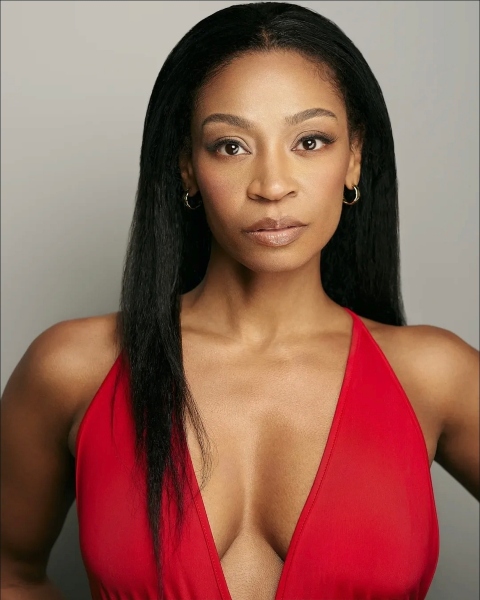 Parlé Mag: Danity Kane went from a reality-show experiment to making Billboard history with two consecutive No. 1 albums. When you look back at that young group now, what do you think the five of you accomplished that people sometimes overlook because they remember the television drama?
D. Woods: No one could really understand what the five of us were up against to achieve the things we did. But even achieving those accolades, we aren’t given much credit or time to be celebrated, and we have not truly reaped the benefits of our efforts.
That is incredibly difficult to come to grips with and to carry on in life and career aspirations in the aftermath of how the network, label, media, and even so-called fans trivialized, villainized, and discarded us collectively and/or individually.
People overlook the fact that we did not sign up to simply be a part of television drama or a reality experiment, but to be recognized for our talent. We were incredibly young and ambitious, on the threshold of womanhood, believing our hard work would be enough to make our dreams come true.
And despite some incredible odds, we did reach our goals. But the celebration of those goals came with immense shame and public humiliation.
People forget about our humanity.
Parlé Mag: There was something special about the original Danity Kane lineup because each woman brought a different personality, voice, and artistic identity. What did being part of that sisterhood teach you about collaboration, individuality, and finding your place in a group?
D. Woods: I learned about the balance of individuality and collaboration while in the many ensembles and dance companies I trained and performed with throughout my childhood and high school experiences.
The Freddie Hendricks Youth Ensemble of Atlanta remains one of the biggest life-changing groups of people I’ve been involved with. We are an artistic family full of critically acclaimed talent.
Our mentor and director, Mr. Freddie Hendricks, along with many other staff and administrators, nurtured, challenged, and taught a bunch of rambunctious Black and Brown youth discipline, passion, integrity, and love.
Myself and many Y.E.A. company alumni had the chance to celebrate Freddie this year as he was honored at the 2026 Tony Awards for Outstanding Theater Educator.
I took the lessons and the confidence of Y.E.A. into my experience with Danity Kane.
Parlé Mag: Your departure from Danity Kane happened publicly, abruptly, and under circumstances that have been discussed many times. Years later, what has changed most about the way you understand that chapter—not what other people said about it, but what you know now that you didn’t know then?
D. Woods: Nothing has changed for me except understanding that things don’t necessarily happen “to you”; rather, they happen “for you.”
I was not in an environment that was going to foster growth toward my greatest potential, and that ultimately was just plain unsafe to exist in.
Rejection is protection.
Parlé Mag: You’ve spoken publicly about the environment surrounding that period and how it affected your relationship with the music you made. Without giving that chapter more power than it deserves, what did reclaiming your own voice look like once you were finally able to create on your terms?
D. Woods: I immediately started recording and performing my solo work and collaborating with artists in my circle. Getting back into the theater, dance studio, and recording studio and just utilizing my gifts.
I went back to my mentors and took class, just being in an environment where the goal is to try, fail, NOT be judged, then try again. Returning to the rooms that encourage you and celebrate the courage it takes to find growth.
I started Woodgrane Entertainment in 2009, released several singles and EPs through my imprint, and earned consideration on the Grammy Academy ballot for several consecutive years.
Beyond my solo work, I became more involved with Project Girls Club, an entertainment-industry sorority and female-empowerment conglomerate established by my sister Shanell (of Young Money Entertainment), singer/songwriter Mika Means, and me.
Inspired by a song on my The Gray Area EP, I also started the Foolish Dreamer Mentorship Program for high school students.
So, to answer your question, reclaiming my voice was me diving headfirst into creating and working on or with people who brought the best out of me and also reminded me what I have always been capable of doing.
Parlé Mag: That reclamation seems to run through your solo work, from the My Favorite Color projects to “Call It Quits” and “Medicine.” How different does it feel to make music when there’s nobody standing over you telling you who D. Woods is supposed to be?
D. Woods: It makes a world of difference.
However, the most challenging part is the “voice in your head.” How much have those domineering voices seeped into your consciousness? Are you now self-sabotaging? Do you have imposter syndrome?
I explore this concept in my solo show, MY LIVING ROOM SELF, which was presented at the acclaimed Joe’s Pub at The Public Theater in New York in 2024 and 2025.
We went there!
Parlé Mag: You eventually stepped into theater and acting, including for colored girls… and other demanding stage work. Did acting give you a different language for expressing parts of yourself that music couldn’t always reach?
D. Woods: Not “eventually.” I started in dance as a toddler and theater soon after, playing the role of “Raynell” in August Wilson’s FENCES in the regional production in Massachusetts.
I later did extensive work in my teens at Tri-Cities High School of Performing Arts in Atlanta, as well as with regional theater companies in the city such as 7 Stages, The Alliance, Jomandi Productions, Kenny Leon’s True Colors Theatre Company, and Theatrical Outfit, along with the work I did with the aforementioned Freddie Hendricks Youth Ensemble of Atlanta.
Simultaneously, I started working in the studios and recording music in Atlanta.
We were not playing around!
I then decided to focus on acting training at NYU Tisch instead of the many dance programs I had been accepted to because I had received so much dance training throughout my life, including The Ailey School and studying abroad in Havana, Cuba, where I trained in Afro-Cuban technique and social dance.
Being a “triple threat,” or what people now call a multi-hyphenate, has always presented the challenge of finding platforms to fully engage and display one’s talent.
The unfortunate reality of MTV’s Making the Band and Danity Kane was that the network and label never wanted to explore or showcase these sides of me. That wasn’t the story they wanted to tell.
I, however, am fortunate that the story is not over.
I can redirect the narrative now through all of the many aspects of the arts that I have always been a part of.
Parlé Mag: Your journey from pop/R&B stages to theater, film, television, and running your own company, Woodgrane Entertainment, shows that you’ve never wanted to limit yourself to one artistic identity. Where does that restlessness come from—and what still scares or excites you about trying something you haven’t mastered yet?
D. Woods: I can only guess that it is the mission I came to this life to carry out.
My work has been to remember my mission and trust that these dreams and desires exist for a reason, no matter how difficult things have become or how many times people have knocked me down, criticized me, or tried to blackball me.
It is scary to think about what other devastating, discouraging, heartbreaking disappointment can possibly happen and whether I have the stamina to recover from it again.
But then, I can think instead of what amazing, life-changing breakthrough beyond my greatest expectations could happen.
What if it’s better than I could ever imagine?!
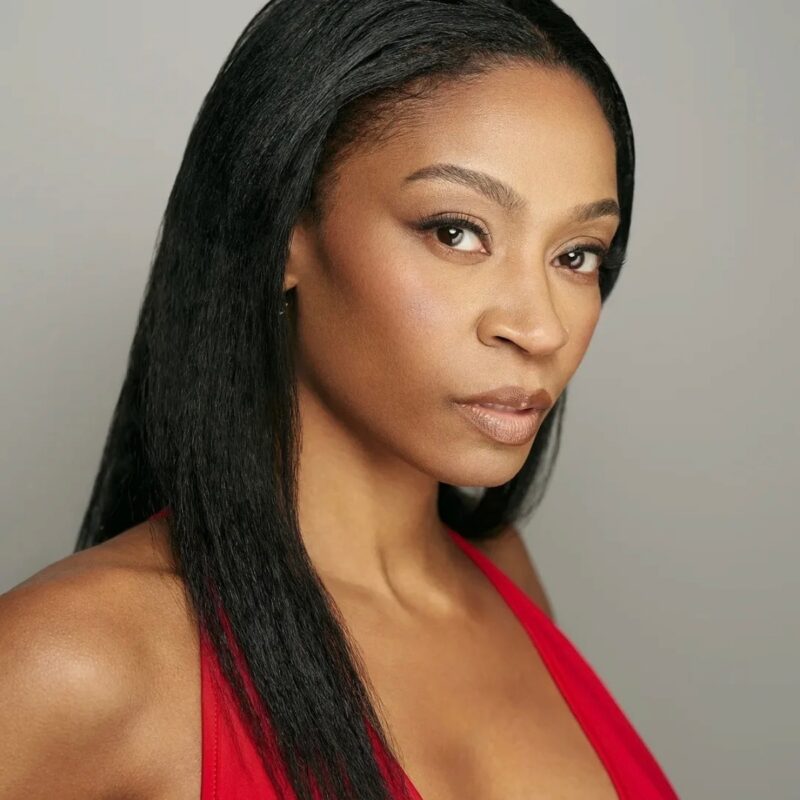 Parlé Mag: You’ve experienced the full cycle of fame, from your discovery and rise to success to losing control of your narrative, rebuilding your career, and creating independently. Now that you’re directing your own vision, what has this journey taught you about the difference between gaining public attention and letting people truly know who you are?
D. Woods: Well… the journey and the lesson is still going, so I’ll let you know.
Parlé Mag: There’s a generation that discovered you through Danity Kane and another that may discover D. Woods first through your acting, theater, or independent music. What do you hope the younger audience understands about the woman behind the name that the original spotlight never had room to show?
D. Woods: I hope both groups get to know and appreciate the full spectrum and continuous evolution of me as an artist.
Parlé Mag: Wanita became D. Woods, D. Woods became a member of Danity Kane, and then you had to find your way back to the woman underneath all of those labels. Today, with the pen, the stage, the camera, and the business finally in your own hands, who is D. Woods when nobody else gets to define her?
D. Woods: I created D. Woods to protect Wanita when I first started auditioning for music videos and dance gigs in NYC while I was in school at NYU. I knew I had to be more tenacious and unapologetic to stand out in those rooms.
I then protected D. Woods, my professional name, by entering Making the Band as Wanita. I wasn’t sure how the show would portray me or damage my reputation, as many reality TV shows often did, so I wanted to keep using my name in case I didn’t make the group.
But, as it turned out, I did make the band, lol.
Now D. Woods needed to protect Wanita again, and who we wanted to be, realizing quickly that this environment would not be a safe place to develop into womanhood or to mature artistically.
Since then, it has been trial and error in figuring out how to speak and live my truth while appeasing the public and media’s perception. Answering questions in fun, clickbaity ways, while trying to stay out of gossip blogs and hoping that the talent is the lasting impression.
Working in authentic, vulnerable productions such as the Broadway revival of for colored girls… and all of the Off-Broadway pieces demands that I drop the mask to get into the work and collaborate with the other artists in the room.
I want to create more work from that space.
I’ve always said, if you want to know me, look at my body of work, listen to the lyrics, and pay attention to the symbolism in the performances.
But I believe I made it very plain and hard to miss in MY LIVING ROOM SELF, where I said:
“BE YOUR LIVING ROOM SELF… OUTSIDE.”
I hope I get to perform that one again soon!
Join The Movement!
DANITY KANE ANNIVERSARY COLLECTION
CATCH UP ON ALL THINGS D. WOODS
Award-Winning Short Film — DON’T BE DESPERATE
ALLBLK Original Series — STUCK WITH YOU, streaming now!
Stay Connected With D.Woods
Instagram: @yagirldwoods
Facebook: @yagirldwoods
Twitter: @yagirldwoods