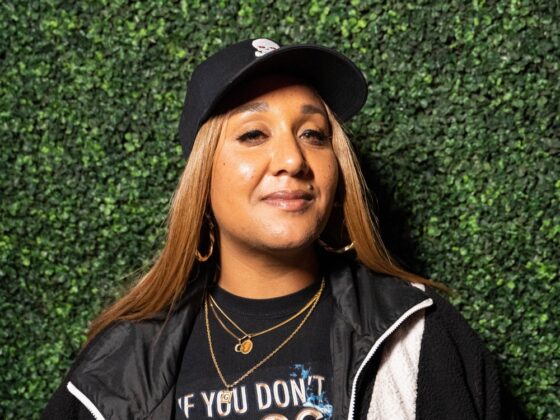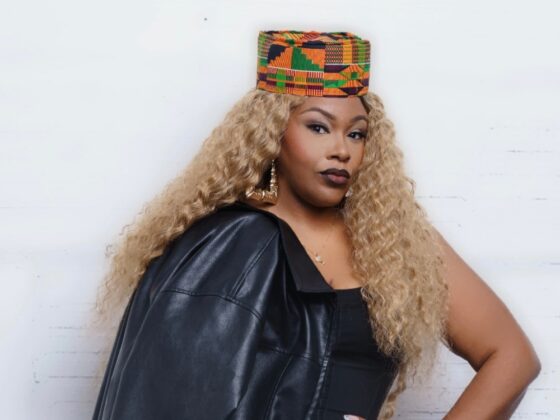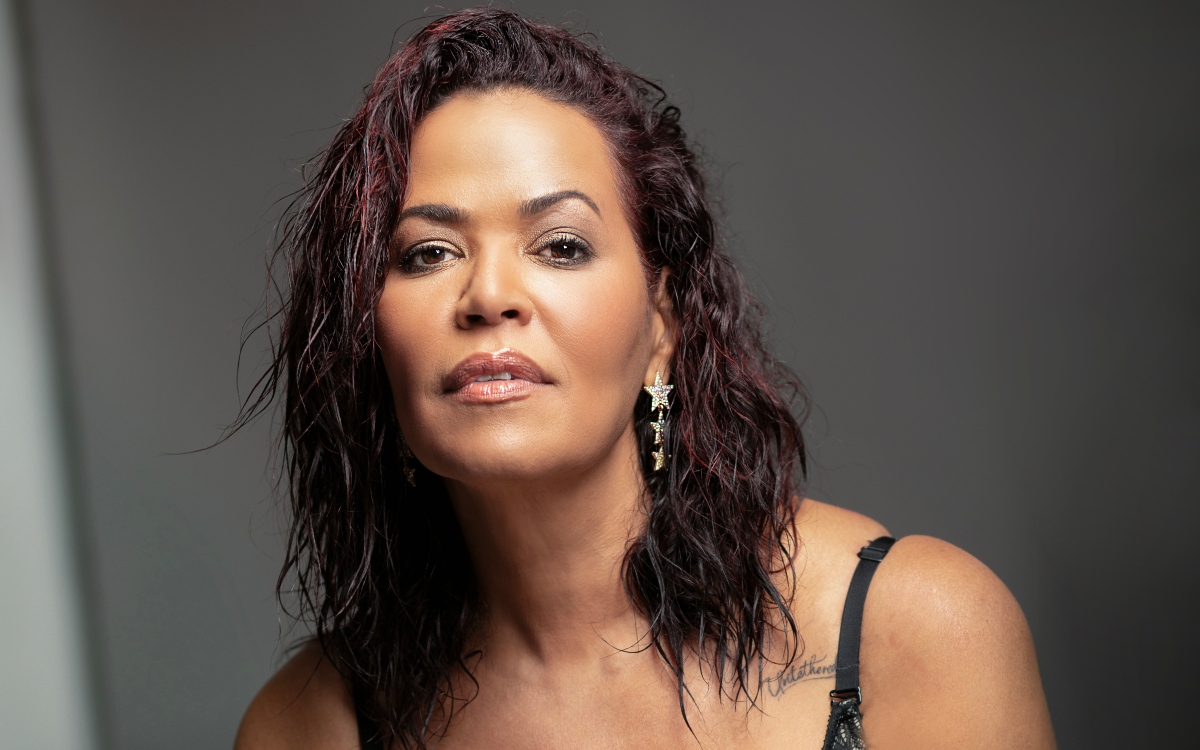
Before freestyle had a name, a history or a crown to hand out, Judy Torres was a Bronx teenager with a voice, a dream and the kind of ambition that doesn’t wait for permission. Then came “No Reason to Cry,” “Come Into My Arms,” and a sound that carried the heartbeat of New York’s Latino and urban communities straight to the dance floor.
What started as a young woman chasing her calling became a defining chapter in freestyle history—and Torres helped give that movement a voice people could feel as much as hear.
Her 1989 debut album, Love Story, helped cement her place in the culture, but the records were only the beginning. For more than three decades, Torres has continued to evolve without losing sight of the girl who first stepped into the spotlight. From the club stage to the radio microphone at New York’s 103.5 WKTU, where she spent 27 years connecting with listeners, she has built a career on something no chart can measure: the ability to make people feel seen, understood and a little less alone.
Singer. Broadcaster. Actress. Storyteller. Mentor. Every new chapter revealed another dimension of Judy Torres, but the woman behind the music was carrying a story far more complicated than the public could see. Now, with her memoir, No Reason to Cry, she opens the door to the triumphs and the trauma, the difficult truths and the hard-won lessons that shaped her journey. She doesn’t tell these stories to rewrite her past, but to show what can happen when you stop allowing it to write your future.
That is the power of Judy Torres today. The Queen of Freestyle has nothing left to prove to the dance floor, yet she continues to find new ways to reach people—this time not only through a song, but through the truth of her own life. The hits made history. The years behind the microphone deepened the connection. Now, the memoir brings the woman behind the voice into focus.
Because Judy Torres has always had a reason to sing. Now she’s telling the world why there was so much more to her story than the music.
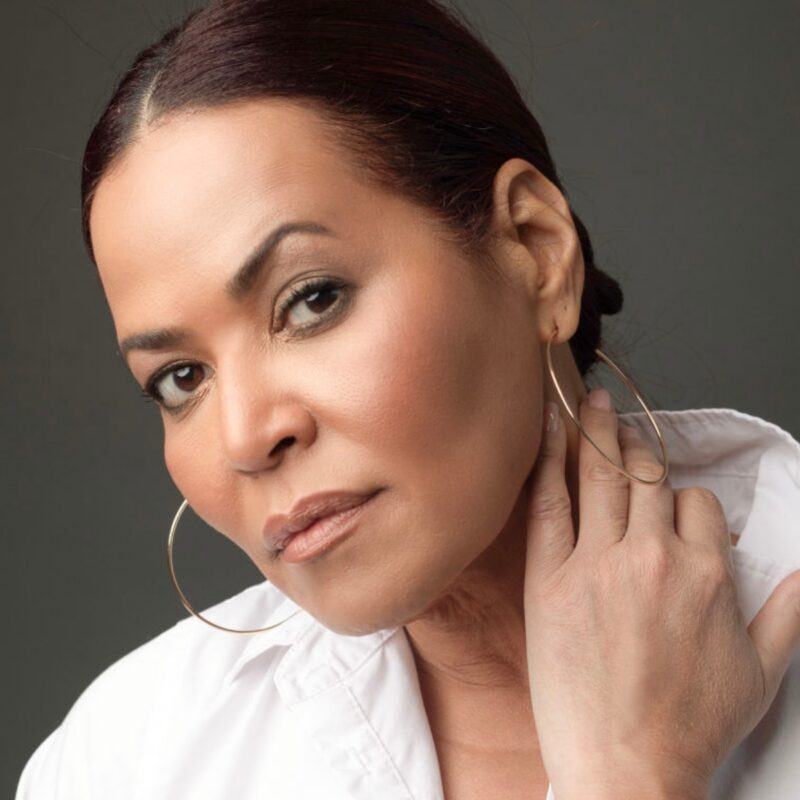
Parlé Mag: Before there was a record deal, a microphone or a “Queen of Freestyle,” there was Judy Torres growing up in the Bronx. What parts of that little girl are still present in the woman who walks into a studio, steps behind a radio microphone or takes a stage today?
Judy Torres: The parts of the little girl that are still present in the woman and performer I am today are my ambition, my optimism, and my curiosity. I am still hungry to achieve more, to see what else I am capable of, to learn how I can continue to grow and evolve, and to explore what is out there that I have not yet seen or experienced.
With stars still in my eyes, I love allowing myself to get “uncomfortable.” Through stepping into situations that challenge me, I have learned more about myself and about life. That is where freedom and joy truly live.
Parlé Mag: Freestyle wasn’t just music—it was a feeling, a neighborhood soundtrack and a culture that people lived. What do you remember about being inside that scene when it was happening in real time, before anybody knew what it would eventually become?
Judy Torres: What I remember about the freestyle movement—things no statistics, release dates, or career timelines can ever convey—is how POWERFUL and EXCITING it felt. Freestyle was so new at the time that it didn’t even have a name yet, but you could literally feel the excitement in the air. It was that unmistakable, “What is this new music?” feeling.
There was also a deep sense of pride within the urban and Latino communities that the artists were representing their culture—that we looked just like them.
Parlé Mag: Your records connected because you didn’t sing about emotions from a distance—you sounded like you were actually living them. Where did that emotional honesty come from, and did you understand at the time how deeply listeners were identifying with you?
Judy Torres: The beautiful thing about my music, and most freestyle songs, is that they are all about love: falling in love, falling out of love, hoping for love, or begging for a second chance at love.
The songs were emotionally honest, raw, and deeply real. At the time, I didn’t fully understand how profoundly listeners were identifying with me. But as the years passed and people shared their personal connections to my songs, I learned that performing them comes with a responsibility far bigger than myself—a responsibility to deliver them with that same level of genuine emotion every single time.
Parlé Mag: Looking back at Love Story and My Soul, what do you hear in those records today that takes you straight back to the young Judy who was making them? Is there a song that carries a memory you still haven’t completely let go of?
Judy Torres: Looking back at Love Story and My Soul, hearing those songs now takes me back to a completely different version of myself. I recall singing out of pure passion and an intense desire to create. I had zero vocal training and was so young.
What made recording those albums unique was how BADLY I wanted to succeed, hoping my music would inspire people to believe that dreams really do come true.
The experience of recording “No Reason to Cry” stays with me to this day. My anticipation of what the recording studio would look like was NOTHING like reality. I expected a massive, professional studio, but it turned out to be my producer’s bedroom! I was so nervous.
After a couple of hours, an idea struck me, and I ran it by the producers: “What if I sang ‘always standing by your side’ an octave higher?” That choice created a signature stamp across almost all of my future music, and it was an absolutely exhilarating experience.
Parlé Mag: You eventually moved beyond recording into radio, acting, theater and motivational work. Was there a particular moment when you realized your voice could reach people even when you weren’t standing behind a microphone singing?
Judy Torres: During high school and college, I performed in all the musical theater productions, so my original plan was to pursue a career on the stage. Acting was always in my blood.
My radio career, on the other hand, practically landed in my lap. A program director saw me perform and offered me a job about two weeks later, telling me he loved how I connected with the audience.
As for motivational speaking and coaching, those felt like a natural evolution of my career. I eventually realized that I am not just a singer—I am a communicator. People would approach me after shows asking for advice, and I was always happy to help. Ultimately, uplifting others is just a core part of who I am.
Parlé Mag: You’ve spent more than two decades on New York radio with 103.5 WKTU. How has being on the other side of the microphone changed the way you understand your audience—and what have listeners taught you about Judy Torres that you might not have discovered on your own?
Judy Torres: The greatest lesson I learned during my 27 years on the air at WKTU is that whenever the microphone is live, I should imagine I am sitting in the car right next to the listener. I treat them as a friend—there to keep them company, lift their spirits, and hopefully leave them feeling better than before they tuned in.
That mindset helped me realize I have a responsibility to uplift people, not only on the radio, but everywhere I go in life.
Parlé Mag: Your one-woman show No Reason to Cry allowed you to tell parts of your story in a completely different way. What was it like taking experiences that were deeply personal and putting them in front of a live audience, night after night?
Judy Torres: Writing and performing my one-woman show to a sold-out audience for four months straight was easily one of the BEST experiences of my entire career!
The challenge wasn’t just in the performing itself, but in reliving all of those raw memories night after night. I didn’t fully grasp the impact of the show until I guided the crowd through a traumatic moment in my life and looked out into the audience.
Seeing people with tears in their eyes completely surprised me. It made me realize that what I had considered “normal” was anything but. It proved to be deeply cathartic, both for the audience and for me.
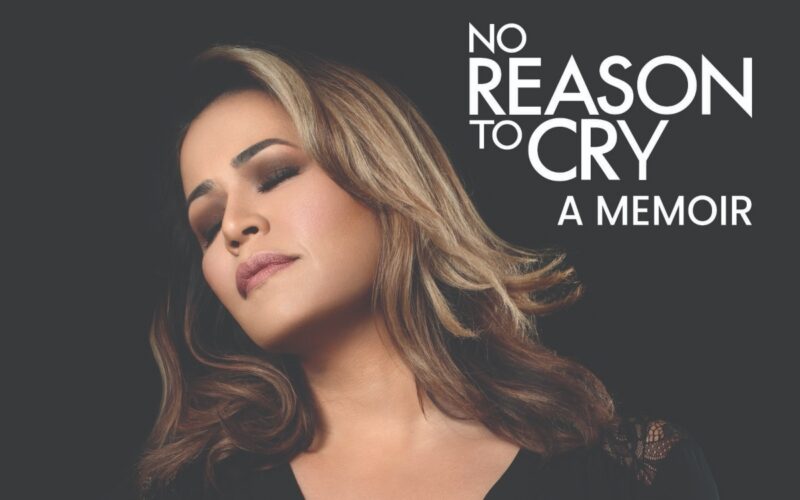 Parlé Mag: You’ve spoken openly about difficult chapters in your life, and now you’ve put those experiences into your memoir, No Reason to Cry. Was there a particular memory or truth you wrestled with before deciding, “I’m finally going to tell this story”?
Judy Torres: While writing my memoir, No Reason to Cry, working on the “Sweet Sixteen” chapter was particularly painful—not only because of the horrific violation itself, but because I knew my family would read it, many of them learning about it for the very first time.
Ultimately, I chose to include it so others would know they are not alone and that artists experience unspeakable trauma, too. No one in this life goes unscathed.
There was another chapter I wrestled with so intensely that I pulled it at the last minute. I realized it would cause pain to members of my family, and I wrote this book to heal, not to hurt.
Parlé Mag: After everything you’ve experienced, you could have chosen to simply celebrate the music and leave the harder chapters behind. Instead, you’ve turned those experiences into something that can potentially help somebody else. When did your pain begin to feel less like something you had to hide and more like something you could use to reach people?
Judy Torres: My pain began to feel less like a secret I had to hide and more like a tool I could use to reach people once I learned that life’s hardships are here to teach us and guide us—that life happens for us, not to us.
The key turning point for me was practicing the sacred art of forgiveness. I had to stop asking, “Why is this happening to me?” Through an immense amount of self-reflection, I came to accept that what happened had happened, and we cannot alter the past; it’s like yelling at a movie screen expecting the ending to change.
However, we do possess the power of decision. We can choose to use our experiences to empower our lives and help others.
Never put a question mark where God has put a period. Choose to forgive. Forgiving doesn’t mean that what happened was okay, nor does it mean you are letting someone off the hook. Forgiveness simply means you refuse to stay bound to that memory or waste any more energy on it.
That liberation is what allows you to move forward—because time is always running out!
Parlé Mag: You’ve now lived several different versions of Judy Torres—the Bronx teenager chasing a dream, the freestyle artist, the woman behind the radio microphone, the actress, the storyteller, the coach and now the published author. Which version of Judy do you think people have misunderstood the most?
Judy Torres: I love this question, by the way.
The people who were young when my career first began have watched me grow and evolve over the decades—we truly grew up together. They have seen various seasons of my life, and they know that the woman on stage, behind the microphone, and on the page is the exact same person simply doing her best to make her life meaningful.
Whenever I am misunderstood, it usually comes from a “hater”—someone who assumes I was born with a silver spoon in my mouth. They don’t know my actual story: that I grew up very poor, had to mature far faster than I should have, had a father who was barely around, witnessed a great deal of abuse, survived rape, battled depression, and was diagnosed with multiple sclerosis. A hater acts out of ignorance—not stupidity, but judging based on a single photograph or projecting their own unhappiness onto me.
Parlé Mag: Thirty-plus years after that teenage voice first reached people through freestyle, you’re still here, still communicating and still finding new ways to tell your story. When you close the book on No Reason to Cry, what do you hope the person who reads the final page understands about Judy Torres that they couldn’t possibly have understood from a record alone?
Judy Torres: When people close the final page of No Reason to Cry, I hope they realize how similar we all truly are. We all have a story, and every single one of our stories deserves to be told and heard.
There is profound freedom in speaking your truth. I hope readers see that I am flawed and have made mistakes. However, I refuse to let them define who I am.
At the end of it all, there is no reason to cry.
Stay Connected With Judy Torres
Instagram: @judytorresmusic
Facebook: @judytorresmusic