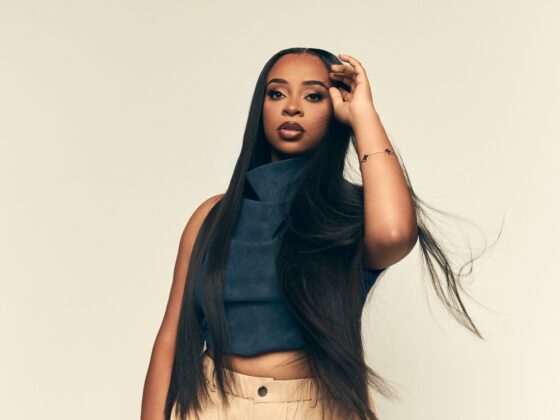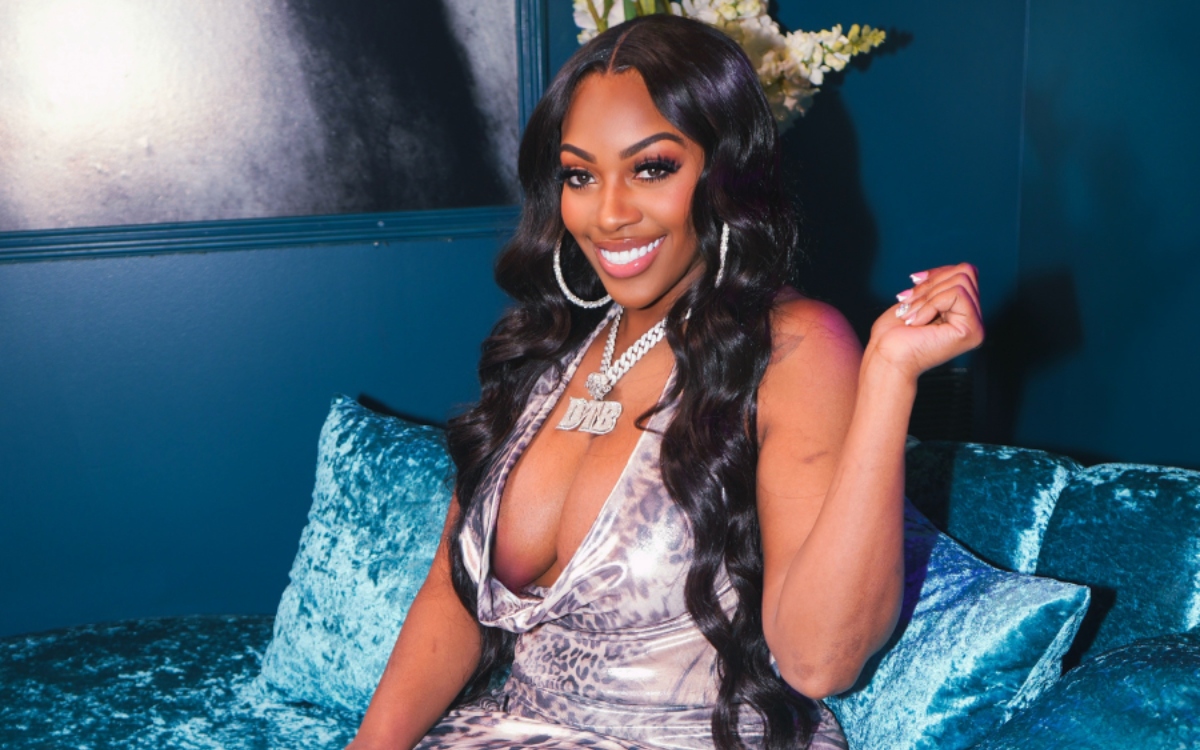
Some people spend their lives trying to escape the reputation that made them famous.
Diamond The Body decided to own it — then redefine it.
Known to millions for her unapologetic personality, fearless energy, and unforgettable presence on Baddies, Diamond has become one of reality television’s most recognizable personalities. But behind the viral moments, headlines, and conversations is an artist who has always been fighting for something bigger: her voice, her vision, and her place in the game.
Now, with her latest single “I Like To Fight,” Diamond flips the narrative. The record isn’t about looking for a confrontation — it’s about the battles nobody sees. The fight for success. The fight through adversity. The fight to keep going when life keeps testing your limits.
Raised in Broward County, Diamond’s story has always been rooted in resilience. Before the cameras ever turned on and before millions knew her name, there was a young woman learning how to bet on herself, stand firm in who she was, and refuse to let circumstances define her future.
With backing from 1501 Certified Entertainment and Crown Recordings, Diamond is taking that same fearless energy from the screen to the studio. Her music captures the confidence that made audiences pay attention while revealing the heart, ambition, and determination behind the persona.
From streaming success with records like “Line It Up,” “In My Pockets,” “Baddie Slide,” and “Freak” featuring Sukihana and Shamar Marco, to building a massive digital following, Diamond has proven she’s more than a viral moment. She’s creating a catalog, building a brand, and carving out a lane where hip-hop, entertainment, and entrepreneurship collide.
Because the truth is, Diamond The Body has never just been fighting people.
She’s been fighting doubt. Fighting limitations. Fighting every obstacle placed in front of her.
And with “I Like To Fight,” she’s turning that mentality into an anthem for anyone still standing in the ring.
This is Diamond The Body — not just the personality people know, but the woman behind the battle cry.
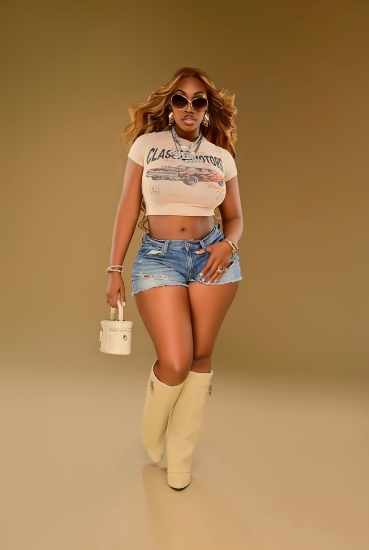
Parlé Mag: Before the cameras, the followers, and the headlines, there was a young girl fighting to find her place in the world. When you look back now, what was the first battle that truly shaped Diamond — not the entertainer, but the woman?
Diamond The Body: Honestly? The first battle was learning to bet on myself when nobody else was placing bets. I’m from Broward County — we don’t get handed nothing down here. Before anybody knew my name, I was that girl fighting to be seen, fighting to be heard, fighting to believe I deserved more than what was in front of me. That fight made the woman. The entertainer just came dressed better.
Parlé Mag: People hear “I Like To Fight” and immediately think they know what it means. What’s the difference between fighting people and fighting for your purpose?
Diamond The Body: See, that’s exactly why I made the record — because people think they know! Fighting people is easy, baby. Anybody can do that. Fighting for something? That’s the hard fight. That’s waking up every day and fighting for your dreams, fighting doubt, fighting the version of you that wants to quit. “I Like To Fight” is me saying I’m built for that fight. The purpose fight. I never lose that one.
Parlé Mag: Reality television can make someone famous overnight, but it can also lock them into one narrative. Was there a moment when you decided, “I’m going to tell my own story before someone else tells it for me?”
Diamond The Body: Absolutely. TV gives you a slice — a moment, an edit, a reaction. And I watched people take that slice and try to serve it like it was the whole plate. That’s when I said, “Okay, let me pick this pen up.” When I’m in that booth, ain’t no edit. Ain’t no producer cutting my sentence in half. Music is the unedited Diamond, and I’m the one telling it.
Parlé Mag: Your confidence is impossible to ignore. Has that confidence always been genuine, or did it grow out of surviving situations that demanded you become stronger?
Diamond The Body: I’ma keep it real with you — it grew. Confidence you’re born with can get shook. Confidence you earned? That’s concrete. Every situation that tried to break me poured a little more of that foundation. So when you see me walk in a room like I own it, understand — I paid for that walk. In full. No refunds.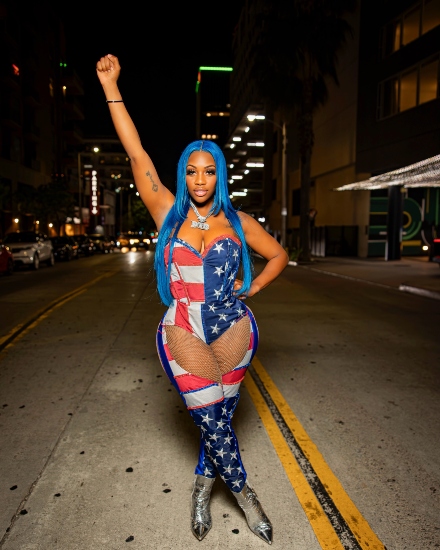
Parlé Mag: Millions know Diamond The Body from television, but music asks people to listen instead of watch. What side of yourself can listeners hear that viewers may never fully understand?
Diamond The Body: The heart. TV shows you my reactions — music shows you my reasons. When you press play, you hear the girl who wrote her way through things she never talked about on camera. You hear the hunger, the humor, and the softness sometimes too. Viewers see DTB. Listeners get to meet Sydonie.
Parlé Mag: Hip-hop has always respected artists who turn pain into purpose. When you’re writing, are you thinking about making a hit — or making a statement?
Diamond The Body: Why not both? I want a statement that knocks. I’m blessed to be in rooms with real ones — my label family at 1501 with Carl Crawford, DaDa Mills and Darrale Jones over at The Crown, and Devyne Stephens guiding the whole vision at Upfront. When we’re cooking, the standard is: it gotta move your body and say something. If it’s not doing both, we’re running it back.
Parlé Mag: You’ve built a massive audience across television, music, and social media. Which platform do you feel shows the real Diamond, and which one only captures a small piece of who you are?
Diamond The Body: The music is the realest me, hands down — that’s where I control the pen. TV probably captures the smallest piece, even though it’s the biggest audience. Funny how that works, right? Social media is somewhere in the middle — y’all get the personality, the jokes, the looks. But if you really want to know me? Run the records.
Parlé Mag: Success often changes the people around you. What’s the biggest lesson fame has taught you about trust, loyalty, and protecting your peace?
Diamond The Body: Everybody clapping for you ain’t rooting for you. That was a hard one to learn. Fame is a magnet — it pulls in the real and the fake at the same time, and they be wearing the same outfit! So now my circle is small, my peace is expensive, and access to me is a privilege, not a right. I love from a distance when I have to. No hard feelings — just boundaries.
Parlé Mag: You’ve become a voice for women who refuse to apologize for taking up space. What responsibility comes with knowing young women are watching how you move?
Diamond The Body: It means I can’t just show them the confidence — I gotta show them the work behind it. Take up space, yes. Be loud, be pretty, be YOU, yes. But also read your contracts. Build your business. Own your name. I want young women watching me to see that being a baddie and being a boss is the same job. That’s the responsibility I carry, and I carry it proud.
Parlé Mag: The music industry loves putting artists into boxes — reality star, influencer, rapper. What’s one label you’ve spent your career trying to outgrow?
Diamond The Body: “Just.” That’s the label. “She’s JUST a reality star.” “She’s JUST an influencer.” Baby, lose the “just” and we’re fine! I’m a recording artist, a writer, a TV personality, a businesswoman — all of it, at the same time, on purpose. I didn’t come to fit in a box. I came to build the whole store.
Parlé Mag: When life has knocked you down away from the cameras, what has kept you getting back up when nobody was clapping, posting, or cheering?
Diamond The Body: That little girl from Broward. She didn’t have an audience either, and she never stopped. So when it’s quiet — no cameras, no comments, no cheers — I get up for her. And for my family, and for God, because my faith don’t need WiFi. The applause is nice, but it was never the fuel. I was fighting before anybody was watching. I’ll be fighting after.
Parlé Mag: Five years from now, what do you hope people say changed about the conversation surrounding Diamond The Body?
Diamond The Body: I want the conversation to move from “Did you see her?” to “Did you hear her?” Five years from now they’ll be talking about the catalog, the businesses, and the doors I opened for the next girl from Broward. Me, Carl, DaDa, and Devyne — we’re not building a moment, we’re building something that lasts. That’s the shift: from personality to legacy.
Parlé Mag: If someone listens to “I Like To Fight” years from now, after the television moments have faded and the social media trends have come and gone, what do you hope they understand about the woman behind the record — and the battles that made her who she is?
Diamond The Body: I hope they hear a woman who never folded. Not once. I hope they understand every battle in that record was real — and I didn’t win them all pretty, but I won them. Trends fade, shows end, apps come and go. But a fighter’s story? That’s forever. When they press play years from now, I want them to feel one thing: she fought for something. And she meant every bar.