Before social media retrospectives, anniversary think pieces and the long shadow of Tupac Shakur’s legacy, there was simply a teenage girl standing in front of a camera, carrying a story far heavier than most 17-year-olds should ever have to hold.
Her name was Ethel Love.
To millions, she became Brenda—the young woman at the center of “Brenda’s Got a Baby,” Tupac’s devastating 1991 portrait of teenage pregnancy, poverty, abandonment and a society far too comfortable looking the other way. Filmed in Oakland, the video did not need Hollywood polish. It needed truth. Ethel brought exactly that. Her performance felt lived-in because, in many ways, the emotions surrounding Brenda’s world were not foreign to her.
That is part of what made the video hit differently then—and why, more than three decades later, it still hits just as hard now.
Long before Tupac became an icon frozen in time—before the platinum albums, movies, controversy, mythology and murals—he was a young artist determined to say something about the people around him. “Brenda’s Got a Baby” was one of the earliest examples of that conscience, and Ethel’s presence gave the song a human face. She was not merely illustrating lyrics. She made viewers feel the consequences behind them.
And then, almost as quickly as the world met Brenda, Ethel Love stepped away from the spotlight.
Life moved forward. Motherhood, family, faith, responsibility and purpose took precedence over chasing Hollywood. Over the years, the young woman audiences remembered from a four-minute music video became an entrepreneur, mentor, community advocate and certified doula, devoting much of her life to supporting mothers and families facing the kinds of circumstances the song itself once warned us about.
There is something beautifully full-circle about that.
The girl who once helped Tupac tell the story of a young mother in need grew into a woman committed to helping mothers find their way through some of those same real-life crossroads.
More than three decades later, “Brenda’s Got a Baby” remains painfully relevant, but Ethel Love’s story did not end where the video did. Brenda was a character. Ethel became a woman with her own journey, her own scars, her own wisdom and a purpose that stretched far beyond the screen.
Because sometimes a few minutes on camera can introduce you to the world without ever telling the world who you really are.
For years, people knew the face.
They knew Brenda.
Now it is time to know Ethel.
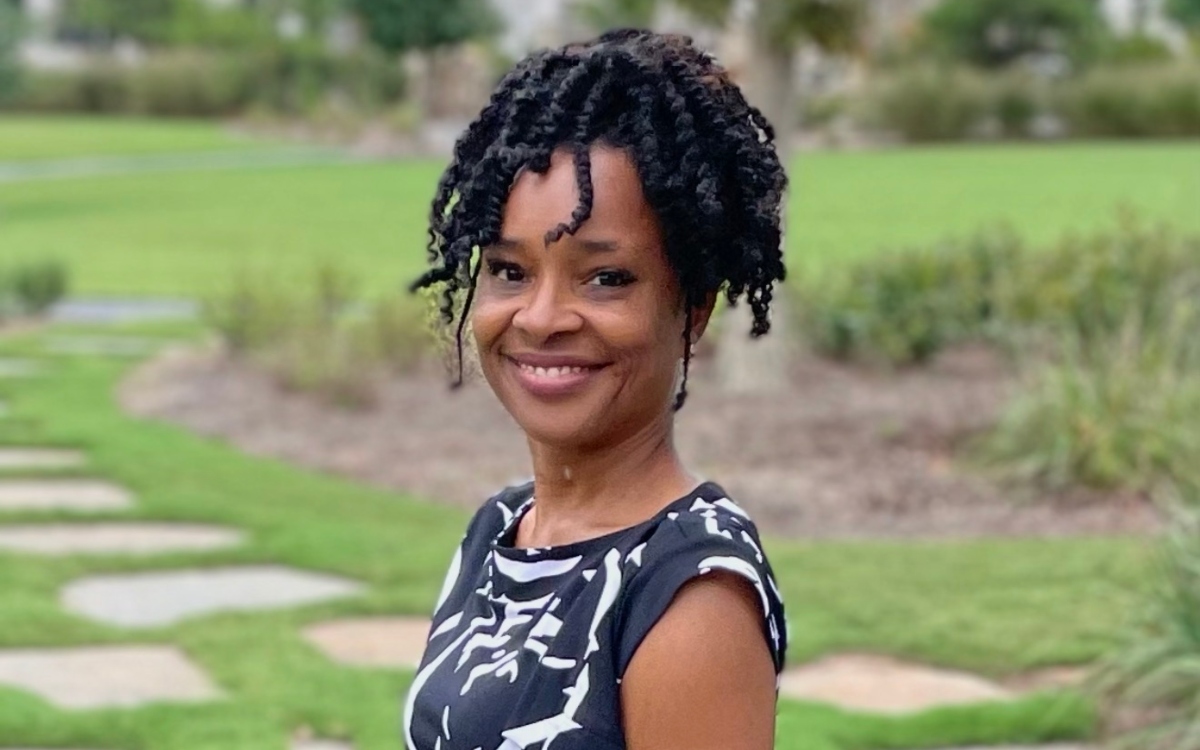
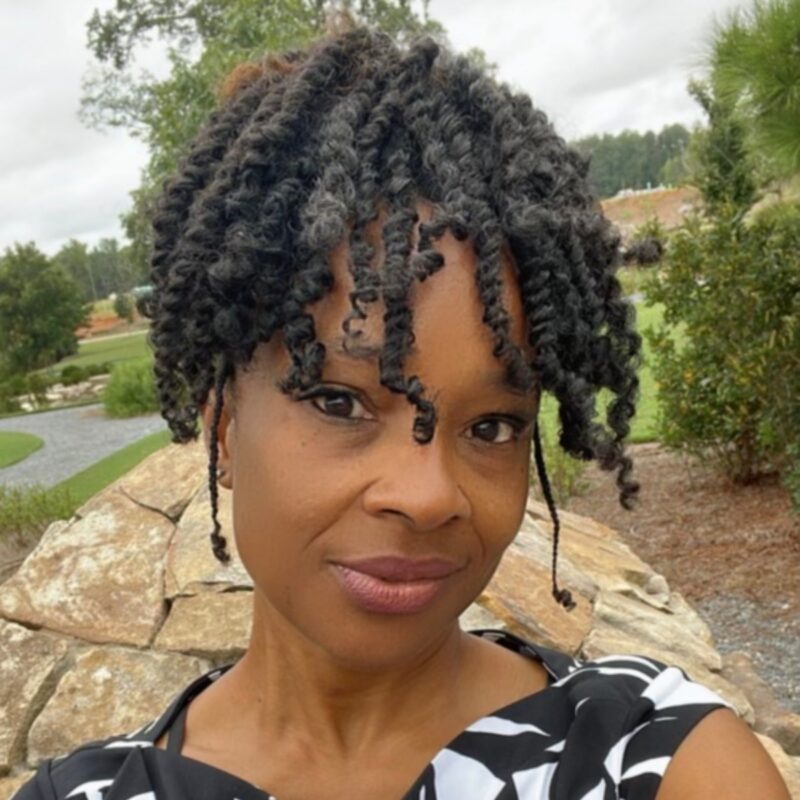
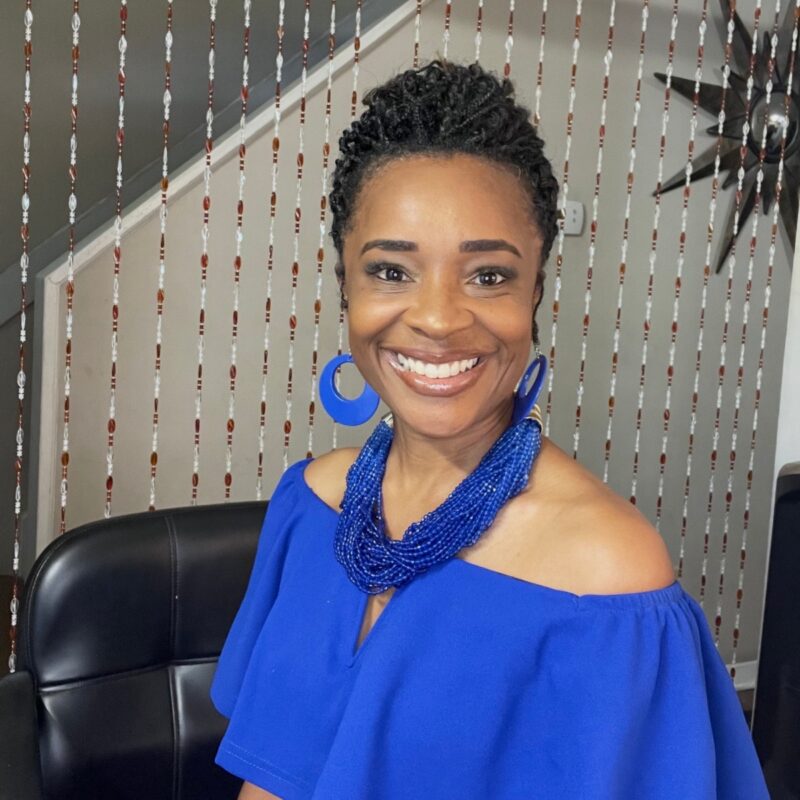
This is Ethel Love—beyond Brenda, beyond the video and beyond the moment that first introduced her to the world. This time, the woman behind one of Hip-Hop’s most unforgettable stories gets to tell her own.
Parlé Mag: Long before people knew your name, they knew your face. Your portrayal of Brenda in Tupac Shakur’s “Brenda’s Got a Baby” became one of the most unforgettable performances in hip-hop history. When you look back at that moment, what emotions still come to mind?
Ethel Love: One thing that always makes me smile is that everybody thought I was LisaRaye! Even today, a lot of people still don’t really know who I am.
But emotionally, that video touched very close to home for me. I was a teenage m
other myself at the time, and I also had friends and family members who were teenage mothers. So when I think about that video, I think about those experiences. I understood some of the emotions Brenda represented because I had seen and experienced some of those struggles in real life.
Parlé Mag: You were only 17 years old when you were cast. Did you fully understand the weight of the story you were helping tell, or did that realization come years later as you saw the song’s lasting impact?
Ethel Love: No, I didn’t fully understand the weight of it at the time. I hadn’t even heard the song before we filmed the video, and there wasn’t a script for me to follow. For each scene, I was basically given a description of what they needed from me, and then I performed it.
When the video came out and hit The Box, it felt surreal. My friends were seeing me in this video, and Tupac’s career began moving so quickly. Everything happened so fast that there really wasn’t enough time to understand what we had created or what it would eventually mean.
Over the years, especially from around 2006 to the present day, I’ve constantly been reminded of how much that video meant to people. I’ve heard so many personal stories. As I’ve gotten older, I’ve also been able to look back at my own life and understand how parts of Brenda’s story connected with things I experienced as a teenager.
I’ve had people tell me the video changed decisions they made as teenagers, including decisions surrounding pregnancy, parenting, relationships, and their futures. That is when you realize the impact is much bigger than a music video.
More than 30 years later, women and mothers can still see themselves somewhere in that story. The circumstances may look different, but issues surrounding young motherhood, children, poverty, relationships, and community are still very real.
Parlé Mag: Tupac wasn’t just making another music video—he was holding up a mirror to society. What was it like working with him during that early chapter of his career, before the world fully understood the artist and activist he would become?
Ethel Love: It was a great experience. Tupac was actually a friend of my brother, so I knew him beyond simply showing up to make the video. When he would be around, he often kept to himself. I remember him always writing things down in his notebook.
I think people sometimes forget what Tupac was trying to do in the beginning. His music was often labeled as “gangsta rap,” but he was giving us conscious music and talking about what was happening in our communities. He was speaking about injustice and issues that people didn’t necessarily want to confront.
As his career grew, I think some of the ways he was portrayed frustrated him because he knew there was more to what he was saying than the image people were placing on him.
Looking back, I believe he was here to bring certain things to the surface through music. He talked about things that weren’t always being shown or discussed. I’m honored that I was able to become part of that history and part of a piece of work that encouraged people to think consciously about the community.
Parlé Mag: “Brenda’s Got a Baby” tackled subjects many people weren’t ready to discuss—teen pregnancy, poverty, abuse, abandonment, and survival. Why do you think that story continues to resonate more than 30 years later?
Ethel Love: Because those issues never stopped.
Teen pregnancy still exists. Poverty still exists. Abuse, abandonment, unhealthy relationships, inadequate housing, and children growing up in difficult circumstances still exist.
Sometimes young girls get involved with older men or find themselves in relationships they don’t completely understand. Sometimes people grow up around emotional or physical abuse and begin to mistake that behavior for love. Abuse can come from a boyfriend, husband, parent, or someone else they trust. Fear can make people feel like they can’t leave.
We also still have communities struggling with poverty and affordable housing. The cost of living continues to rise while many people aren’t earning enough to comfortably support themselves and their families.
Then you have generational trauma. Someone may have grown up in an abusive household and be afraid of repeating those same patterns with their own child. People are often making major decisions about pregnancy and parenthood while carrying their own pain, fear, and trauma.
That is why Brenda’s story is still relevant. There are still women, teenagers, foster children, mothers, and families who can tell you a story that connects with some part of that video. Until those problems disappear from our communities, there will always be another person who can understand Brenda.
 Parlé Mag: Your performance carried very few words, yet it spoke volumes. How did you prepare emotionally to portray someone carrying that much pain, vulnerability, and resilience?
Ethel Love: That was me pulling from my own life. There was no script that told me how to feel.
Before each scene, the producers would explain what they wanted me to do. Sometimes I would tell them, “Give me one minute,” because I needed to think and mentally put myself in that place.
I thought about being a teenage mother. I remembered what it was like to be a young Black girl growing up in the community. Friends had come to me and told me they were pregnant or involved with older men. I also drew from my own pain, disappointments, fears, tears, and the things I had already learned about life.
Having a child myself meant I understood motherhood in a way that allowed me to draw from something real.
The pain, vulnerability, and resilience you see weren’t things I studied from a script. I reached back into my own experiences and emotions and brought them into those scenes.
Parlé Mag: Many people remember Tupac’s lyrics, but they also remember your face. Have fans ever shared stories with you about how your performance affected them personally?
Ethel Love: Yes, many times.
People have told me that the video affected major decisions in their lives. Some have said it made them think differently about having children. Others said it encouraged them to stay away from drugs, continue their education, or think more seriously about the responsibility of becoming a parent.
I’ve heard many different stories over the years from people who saw themselves in Brenda or understood the message through what they saw on my face.
That means a lot to me because something we filmed all those years ago continues to have an impact on people’s lives.
Parlé Mag: After such a powerful introduction to the public, you chose a life away from Hollywood. Was stepping away from the spotlight always part of the plan, or did life simply lead you in a different direction?
Ethel Love: Life led me in a different direction.
Not long after the video, I was pregnant with another child, and I had to decide what I really wanted. Did I want to pursue fame and fortune, or did I want to focus on being a mother and raising my children?
I chose my children.
I trusted God to help me take care of the children He allowed me to have, and He did. He still does.
So it wasn’t necessarily that I had this big plan to walk away from Hollywood. Life presented me with a choice, and motherhood was the choice I made.
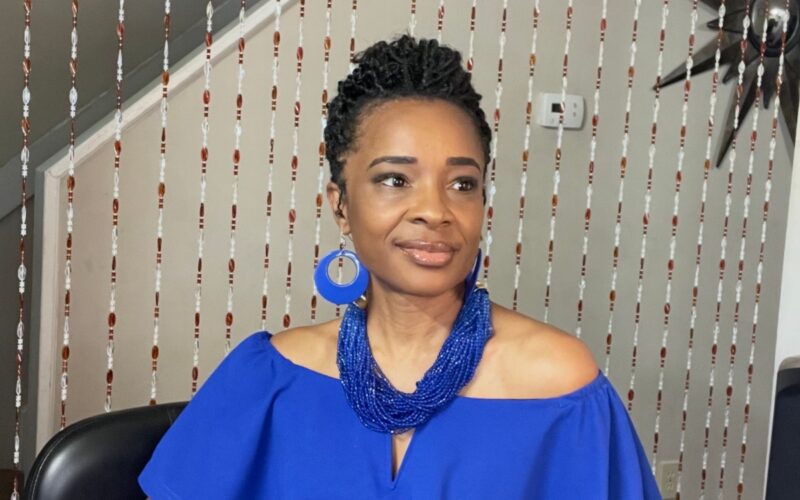 Parlé Mag: Today you’re a certified doula, mentor, and community advocate—still helping women through some of life’s most vulnerable moments. Do you see a connection between portraying Brenda and the work you do now serving families and young mothers?
Ethel Love: Absolutely. In many ways, it feels like everything has come full circle.
Even before the video, I was already that person in my community. When I look back over my life, I think about how many mothers I came home with after they had their babies, or how many friends and cousins came to me when they found out they were expecting. I was there helping women through pregnancy, labor, delivery, and motherhood.
Tupac had also seen me in the community with my own children and caring for other children and women around me. So when I look at everything now, I can see a connection that I couldn’t necessarily see back then.
This is my calling.
By the grace of God, I’m still able to serve my community and support mothers during some of t
heir most vulnerable moments. I support fathers and families as well because when you enter a home as a doula, you’re supporting a family.
Every mother is different. Babies have different needs, and each household has its own story. Even after all these years, every new mother and baby teaches me something because each person has their own identity and journey.
Parlé Mag: Looking back, what did Tupac teach you—not through conversation alone, but through his passion, his purpose, and the way he approached his art?
Ethel Love: He taught me that you can be loud while doing something quietly, if that makes sense.
The work I do today isn’t necessarily loud. There isn’t a big poster announcing every time I help a mother or support someone in the community. A lot of it happens quietly and privately, one family at a time.
But quiet work can still have a loud impact.
Every time I sit with a mother or hear the story of her pregnancy and childbirth journey, I sometimes think back to that scene of Brenda having her baby in the bathroom. There is so much uncertainty and vulnerability surrounding childbirth, especially when a woman feels alone.
Tupac’s first album was like that too. In some ways, he was still quiet in the industry, but he was speaking about very loud subjects. People didn’t fully realize what he was doing or how much of a positive impact his words would eventually have on society.
That is something I carry with me: you can quietly be loud.
Parlé Mag: Hip-hop has evolved tremendously since 1992. Do you believe today’s artists still embrace storytelling with the same courage and social responsibility that records like “Brenda’s Got a Baby” represented?
Ethel Love: I believe there are artists today who are trying to make conscious music and speak about meaningful things. The courage is there.
The challenge is whether they are always given the opportunity to be heard.
When you’re signed to a major record label, there can be pressure to make a certain kind of music. Sometimes people don’t want to hear the conscious record. They may tell an artist, “You’re talking too much,” or “You’re saying too much. Give us another kind of song.”
Tupac had to fight to get some of his conscious music heard too.
So I believe those artists still exist. Some of them may simply be quieter because the industry doesn’t always push the music carrying those messages as hard as it pushes everything else.
Parlé Mag: For many fans, “Brenda’s Got a Baby” wasn’t simply a song—it was a wake-up call. What do you hope younger generations discover when they experience that video for the first time today?
Ethel Love: I hope it makes them more conscious about what is happening in their own communities.
Every community has people dealing with pregnancy, relationships, drugs, parenting, poverty, and difficult choices. And these conversations aren’t only for teenage mothers. Adults can find themselves facing unexpected pregnancies and difficult circumstances too.
I hope young people watch the video and understand the importance of educating themselves about sex, relationships, pregnancy, parenting, drugs, and the consequences that can come with the decisions we make.
I also hope parents use stories like Brenda’s to start conversations with their children.
There are so many lessons inside that video. I want younger generations to watch it, analyze what they see, think about their own lives and circumstances, educate themselves, and hopefully grow from it.
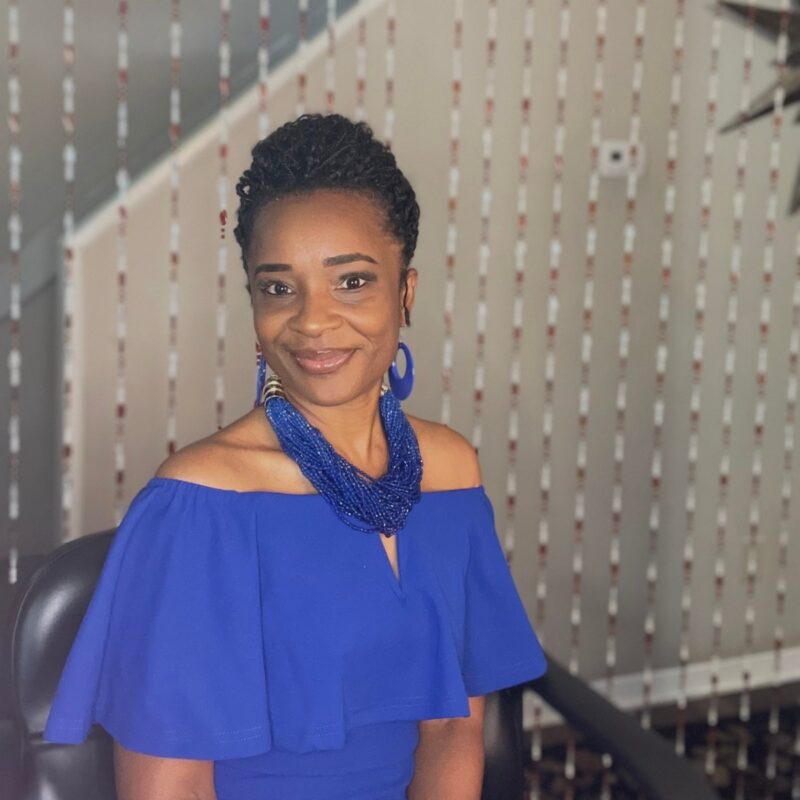 Parlé Mag: From portraying one of hip-hop’s most unforgettable characters to dedicating your life to uplifting others, your journey has come full circle. When people tell your story, what do you hope they remember most about Ethel Love?
Ethel Love: I hope people remember that I genuinely loved people the best way I knew how.
I want everyone to become great because they want to be great—not because somebody else told them who they should be.
I believe everybody has potential. Whatever you truly put your mind toward, you have the ability to pursue it. But you also have to know yourself. Make sure the life you choose is truly the life you want. It should not be something another person is forcing or pressuring you to become.
More than anything, I hope people remember that I wanted to see others succeed, grow, and recognize the greatness within themselves.
Parlé Mag: If you could sit down with Tupac one more time—not as the actress who played Brenda, but as the woman you’ve become—what would you thank him for, and what conversation do you think the two of you would be having today?
Ethel Love: I didn’t see Tupac as someone I simply worked with. He was our friend. He was like family, my brother’s friend. If he were still here, I believe it would feel like we had never left each other.
We would be laughing, talking, and reminiscing.
I would want to talk to him about how much his music has impacted the community. It would be incredible to see what his words have become. We would probably laugh about the things we never imagined would happen. People still write books about him. His work is being studied, with classes and curricula centered around his artistry. Generations of people are still discussing what he had to say.
I think Tupac would be astonished by it.
He fought so hard for his music and for people to understand what he was trying to say. To see his artistry recognized at this level today would be incredible.
Even thinking about it makes me emotional. I wish he could have been here to witness the impact for himself. To receive the honors, humanitarian recognition, and acknowledgment of what his music contributed to the world.
I would thank him for giving me the opportunity to be part of something that became much bigger than any of us could have understood at the time.
And then I think we would just sit there, laugh, reminisce, and say, “Look at what it became.”
Get Connected with Ethel Love
Loveabies by Ethel Love
Instagram: @iambrendalove
The ABCs Say Goodnight Amazon link