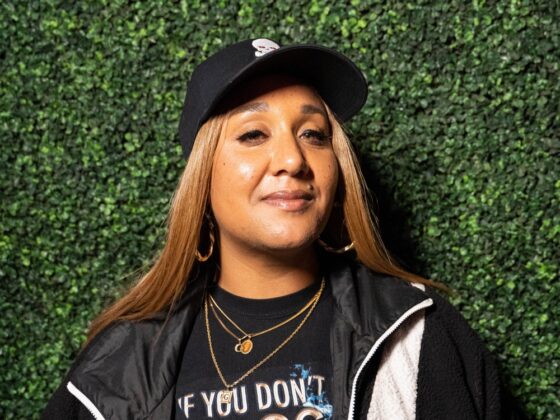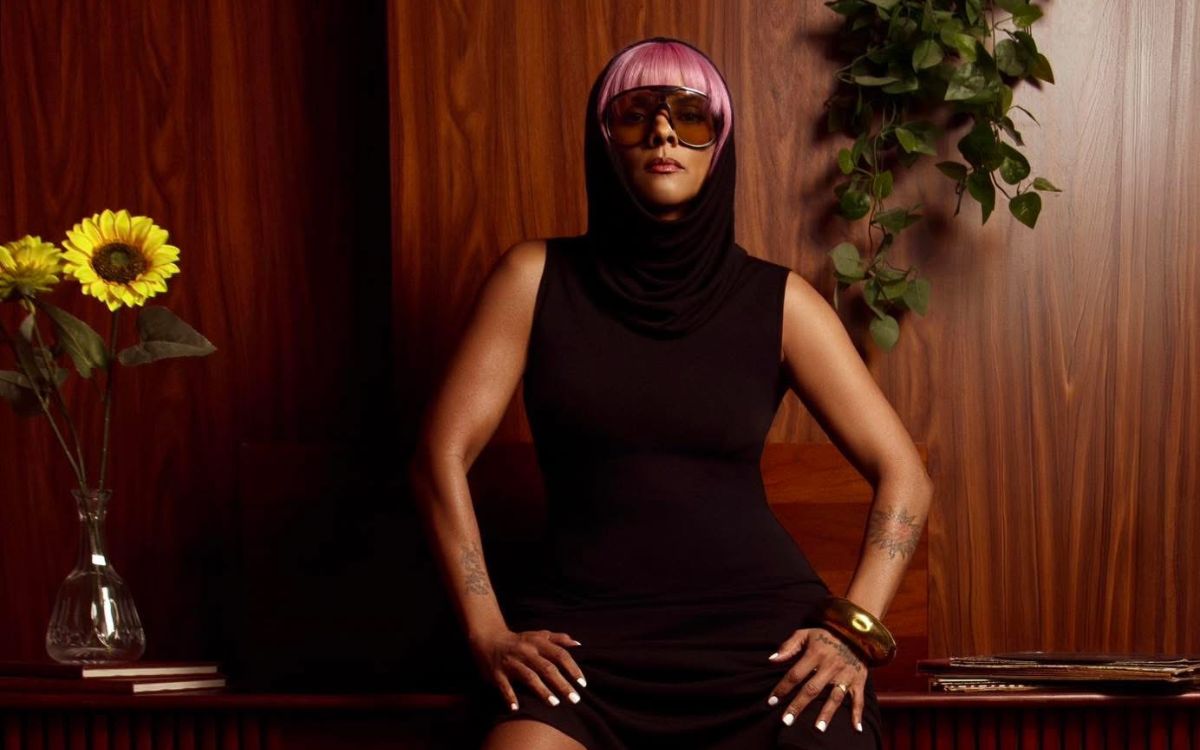
Cleveland raised. Bad Boy bred. Industry tested. Cheri Dennis came up in a moment when R&B wasn’t just about vocals—it was about positioning, patience, and surviving a system that often moved slower than the talent inside it.
First introduced to the world through Sean “Diddy” Combs’ Bad Boy Entertainment, she stepped in as the label’s first solo female artist since Faith Evans. She carried early features and background moments that quietly shaped some of the era’s most recognizable records.
Then came “I Love You” in 2006—a record that didn’t just introduce her voice, but defined it in real time. It cut through R&B radio and cemented her presence in a crowded landscape.
Now, nearly two decades later, Cheri Dennis is back in motion. She’s touring behind the scenes with Lisa Lisa, revisiting unreleased material, and slowly rebuilding her solo chapter with a different kind of intention. Not a reintroduction. A continuation.
Alongside this new wave, she reconnects with longtime collaborators and fresh creative energy, including MeLo-X. “Garden of Eden” marks another step into her evolving sound and next creative era.
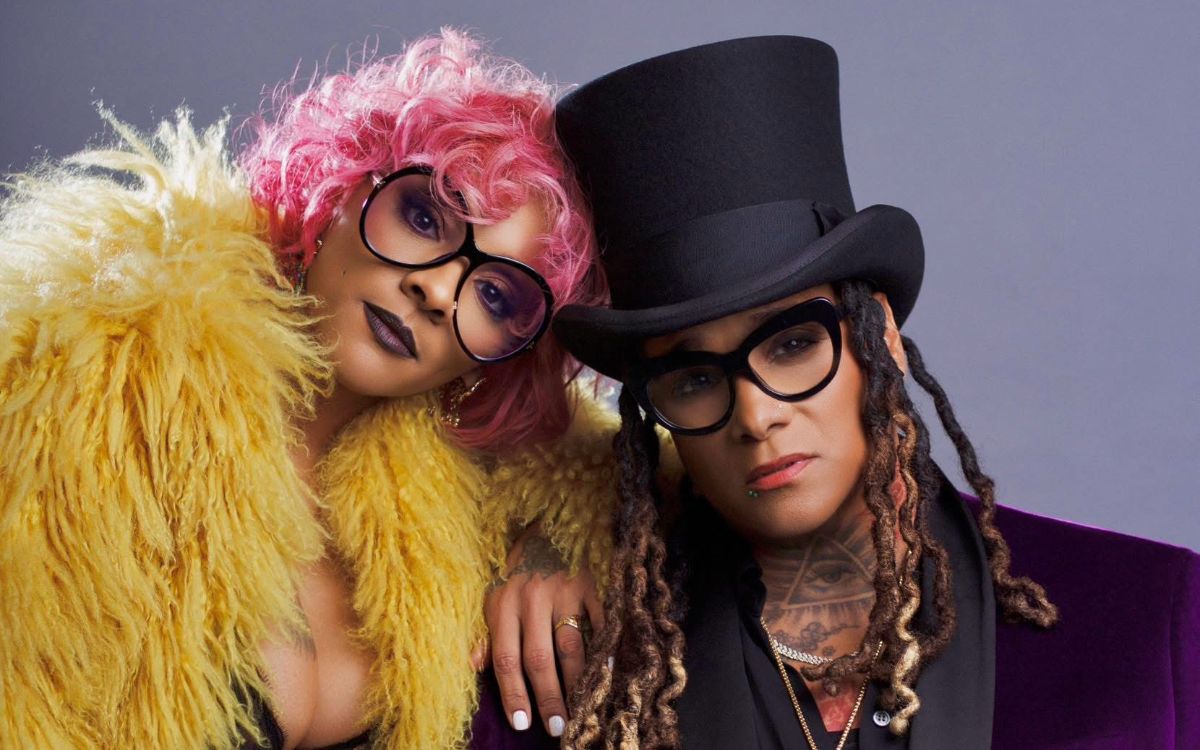
Parlé Mag: When you think back to your earliest days in Cleveland and Shaker Heights, what part of that environment still lives inside your voice today?
Cheri Dennis: I believe my early days in Cleveland and Shaker definitely shaped my personality. Shaker was very much a middle-class suburb, so it taught me how to be softer around the edges. It helped me adapt to different circumstances, situations, and environments.
But just a few stone throws away was inner-city Cleveland. My grandmother lived in the inner city, and I spent my summers there. That cultivated a very much “fuck around and find out” part of my personality—and I think I’m still very much like that. There is a softness to me, but there’s also that fire if you cross my boundaries.
In terms of my musical voice, I don’t think people actually got to see the other side of me. I believe the image that was presented was this really nice, sweet, almost girl-next-door type of individual. And I guess I can be that at times. But for the most part, I’m truly gangster with a side of softness (joking, but not). 🤷🏽♀️
Parlé Mag: At what point did you first realize your voice was becoming distinct enough to stand apart from group work like Spoyled and exist fully on its own?
Cheri Dennis: This isn’t to sound overly confident or unhumble, but even when I was in my singing group, I was one of two lead singers (shout out to Joi), so I was already subconsciously aware I was different. My dad was the songwriter for the group, and even when we were approached by labels, there were labels that only wanted me. At that time, I was young and loyal to my group, so I opted out of separating myself. But I think early on, I knew my voice was distinct enough to stand alone.
Parlé Mag: What do you remember most clearly about stepping into the New York music scene and having to define yourself in real time?
Cheri Dennis: Honestly, I don’t think the New York music scene ever made me feel like I needed to define myself. I think that started once I landed at Bad Boy. Coming from Cleveland, the New York music scene felt larger than life, and I was here for it. But once I got to Bad Boy, that’s where you start to feel like your voice is getting swallowed up, and you kind of have to conform. The vision you have for yourself doesn’t always align with the vision they have for you.
Parlé Mag: During your early feature era and Bad Boy years, what did it teach you about being heard and remembered without always being the main artist?
Cheri Dennis: That’s a really good question. I don’t think I’ve ever thought about it that way. I was really excited about having a deal—at the time, it was Bad Boy, and I was a fan of everyone there. Walking into that situation, I was happy to be part of the legacy. I understood dues had to be paid, so not being the main artist wasn’t an issue at first. It became more of a thing when you deal with long shelf times and release dates that come and go. But that period—background vocals, studio work—actually made me a better artist, so I’m grateful for it.
Parlé Mag: Looking back, what’s something about your contributions to those records that people still underestimate or miss entirely?
Cheri Dennis: Honestly, I don’t know if people underestimate it—I think they just missed it entirely. I get messages now from people realizing that was me on a lot of those records. So I don’t think it’s underestimation; I think it just went unnoticed.
Parlé Mag: Between your early exposure and your solo debut, what was happening creatively behind the scenes that the public never really saw?
Cheri Dennis: A lot of discord—creative differences, imaging differences, frustration with release dates being pushed back. I could go on, but we’ve moved on from that.
Parlé Mag: When “So Complete” introduced you more directly as an artist, did it feel like a launch or a moment that had been building for a long time?
Cheri Dennis: “So Complete” was on The Saga Continues, and I don’t think it got the exposure it deserved. It was never intended to be a Cheri Dennis launch—it was a team collective. But I think I had one of the stronger records on the project. If it had received more promotion, it could have unintentionally served as a launch.
Parlé Mag: What did it mean for you when “I Love You” became your first major solo statement and began shaping how people understood your voice?
Cheri Dennis: I recorded “I Love You” with Ryan Leslie. We brought it to Diddy as the single, but he wasn’t on board at the time. So myself, my manager, and Rich Dollaz decided to white-label it and push it independently. DJs started playing it, and momentum built from there. By the time it took off, I was just happy to have my record circulating. It wasn’t deeply analytical for me. I had been through years of stop-start moments, so I was just grateful to be in that moment.
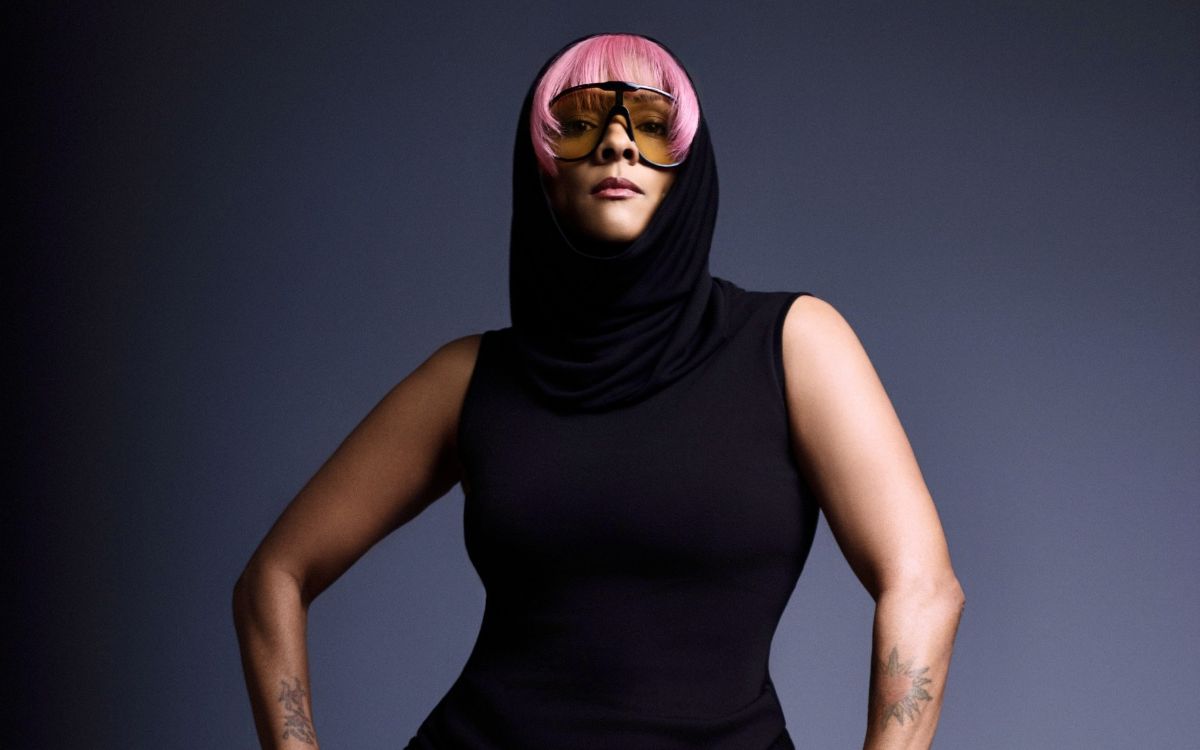
Parlé Mag: Looking at In and Out of Love, what part of that era feels most tied to who you were emotionally and creatively at the time?
Cheri Dennis: I don’t think I fully appreciated that album then like I do now. I felt frustrated by how long it took to complete. The artist I was at the beginning of the project wasn’t the same by the end of it. It took years to finish, and creative conflicts took away from the experience. Now I listen back and I’m grateful. We created a solid body of work.
Parlé Mag: After that album cycle, during the quieter years without consistent solo releases, how did you continue evolving as an artist out of the public spotlight?
Cheri Dennis: I kept writing and recording independently. My experience at Bad Boy actually made me hesitant to pursue another major label deal.
Parlé Mag: What did it feel like to have your voice continue circulating through culture—features, TV placements, legacy records—while your own releases were less constant?
Cheri Dennis: It felt amazing knowing people still found my voice relevant enough to seek me out and request more. That’s why this current moment feels exciting—there’s still real interest there.
Parlé Mag: As you step into your current creative chapter, what feels like has changed most in your voice, purpose, and approach to releasing music today?
Cheri Dennis: I’m older now, I’m a mother now, so my “why” has completely shifted. I want my child to see me actively living in my purpose, especially since she also has the gift. Being an example and mentor to her in that space matters to me. I no longer have to present myself in ways that don’t feel authentic. This journey is now more aligned with who I really am. And now I get to work with my sister and manager. She truly knows me and wants the best for me. I trust her completely. So this time around is very different—I’m building with people who genuinely believe in me, and that changes everything.
Stay Connected with Cheri Dennis
New Music: Cheri Dennis x MeLo-X — “Garden of Eden” out June 1st
Instagram: @cheridennis
Musician/band: Bookings and features Toni@menageworks.com